شلوار کوتاه
This lecture explores the distinction between faith and worldly affairs. It asserts that belief in one God, many gods, or no god is a matter of personal choice. Religious practices like fasting and worship in various places of worship are permitted. Civilization, politics, economics, and social systems – collectively termed ‘collective systems’ or ‘neopolitic-socio-economic systems’ – are separate from religion. These systems, constituting the fabric of societal organization, fall outside the realm of religious doctrine and are governed by different principles.

67
Human beings can attain knowledge of fundamental truths about the universe through their innate nature (sound disposition) and sound intellect, without requiring external revelation. A pure nature, free from corruption, combined with an intellect unburdened by arrogance or prejudice, allows one to perceive the existence of a Creator. This Creator possesses all attributes of perfection, is free from all flaws, and is the ultimate Sustainer. This inherent understanding arises from self-reflection and rational thought, guiding individuals to recognize the divine through their own faculties.
61

Taghut refers to anything that transgresses the boundaries of worship and obedience to God. It originates from ‘tagha’, meaning to exceed limits. When something, be it an individual, institution, or state, oversteps the bounds of devotion intended solely for God, it becomes Taghut. This lecture defines Taghut as any entity that demands allegiance and submission outside of God’s commands. It emphasizes that the essence of worship is submission within defined limits, and exceeding these limits constitutes an act of Taghut. The concept extends beyond individuals to encompass systems and ideologies that usurp divine authority and demand absolute obedience, leading to a deviation from true worship.
58
This lecture discusses a dangerous mindset prevalent among some communities: the belief that belonging to a specific lineage or group guarantees forgiveness and exempts them from accountability. This mindset leads to moral decay, justification of wrongdoing, and a rejection of responsibility. The speaker warns against prioritizing worldly pleasures and neglecting spiritual obligations, emphasizing the fleeting nature of life and the importance of striving for righteousness. He asserts that accountability is universal and that true salvation comes through sincere repentance and adherence to divine guidance, not through false assurances of inherited privilege.
76
This discourse emphasizes that truthfulness stems from aligning statements with the principles of the Quran. Justice is achieved through Quranic rulings, and reward is assured for those who act upon its teachings. The Quran itself guides, and those who call others to it are guaranteed guidance. The speaker prays for divine assistance in remaining steadfast on the straight path for themselves and the audience.
102
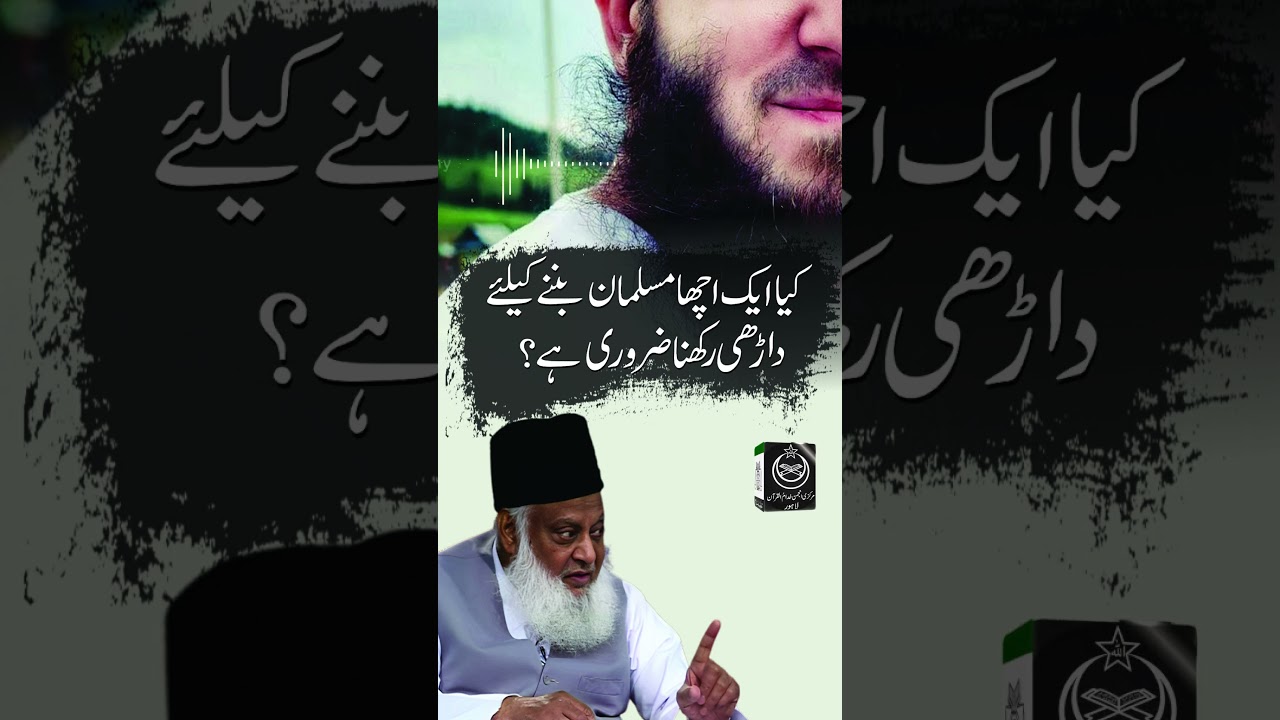
Prioritizing the purification of the heart is essential, though physical cleanliness is also necessary. Maintaining a beard is a strongly recommended tradition of the Prophet Muhammad, peace be upon him, not an obligation. While adhering to religious practices is important, genuine intention and a pure heart are paramount. Following the Prophet’s commands, even in seemingly minor matters, benefits one’s spiritual and worldly life. A clean heart and sincere intentions are foundational to a meaningful life.
63
