Kratke hlače
This lecture explores the distinction between faith and worldly affairs. It asserts that belief in one God, many gods, or no god is a matter of personal choice. Religious practices like fasting and worship in various places of worship are permitted. Civilization, politics, economics, and social systems – collectively termed ‘collective systems’ or ‘neopolitic-socio-economic systems’ – are separate from religion. These systems, constituting the fabric of societal organization, fall outside the realm of religious doctrine and are governed by different principles.

67
This lecture clarifies the nature of faith (Iman) in Islam. It distinguishes between the declaration of faith – the verbal profession of ‘La ilaha illallah Muhammadur Rasulullah’ – and the inner conviction of the heart (yaqeen-e-qalbi). The speaker explains that simply being born into a Muslim family or joining a community adopting Islam does not automatically equate to true faith. True faith necessitates a deep, internal certainty. The initial declaration establishes a legal status of being a Muslim, but genuine belief requires a conviction within the heart. This discussion emphasizes the difference between outward profession and inward acceptance.
62
This lecture outlines three essential methods for conveying the message of God: wisdom (hikmat), good counsel (nasihath hasana), and gracious debate (jidal hasan). Wisdom involves presenting logical arguments and evidence. Good counsel emphasizes gentle and persuasive advice. Gracious debate advocates for respectful disagreement and reasoned discussion. The emphasis is on approaching dialogue with intelligence, kindness, and a focus on positive outcomes, avoiding harshness or aggression.
70
This lecture explores the spiritual state of having one’s heart opened by God for Islam, contrasting it with the darkness of spiritual hardness. It highlights that divine guidance illuminates the heart, providing inner understanding and a connection with God. Those who reject this guidance and whose hearts become hardened against remembrance of God face destruction and are clearly astray. The lecture emphasizes that a receptive heart is essential for faith and spiritual growth, while a hardened heart leads to misguidance and ultimate loss.
87
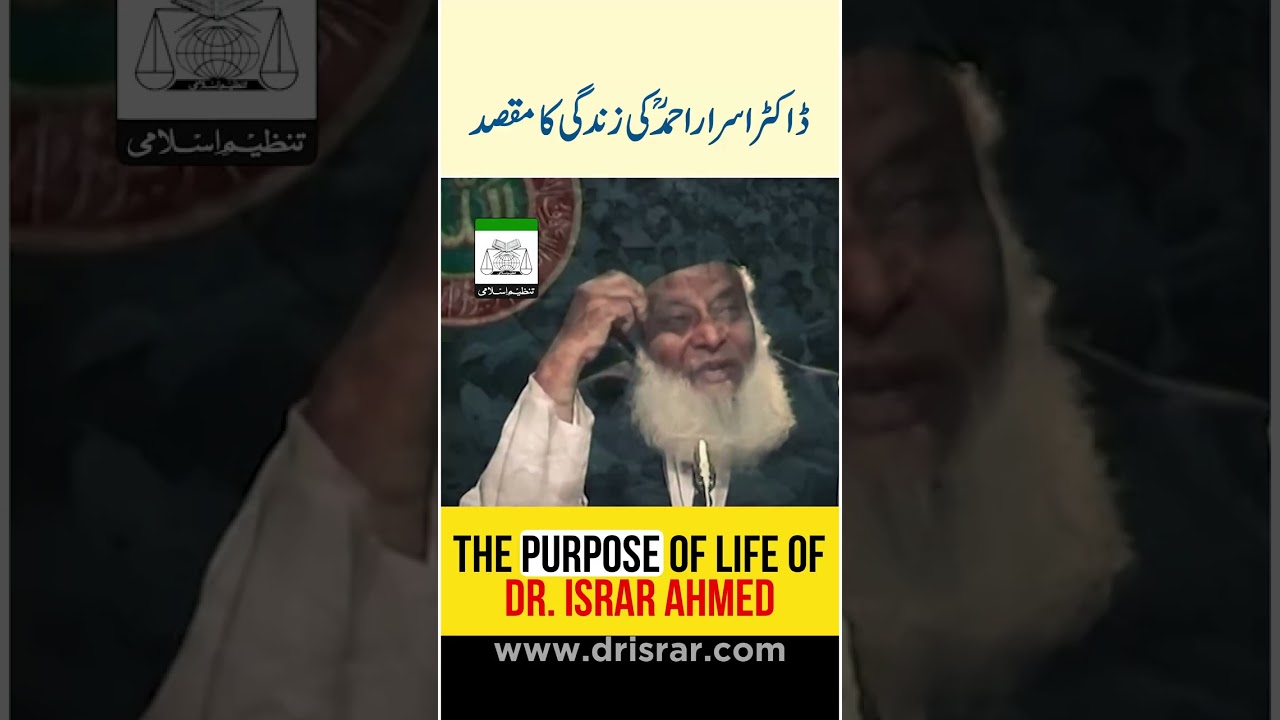
This lecture explores the speaker’s reflections on his life’s purpose and original objectives. He emphasizes a shift from viewing faith as merely a tool to embracing it as the ultimate goal. The speaker laments the fragmentation of the Muslim community and expresses a desire to rebuild unity, guiding people towards the destination set by God and the Prophet Muhammad. He highlights a longing to restore a cohesive community focused on divine guidance and shared purpose.
46
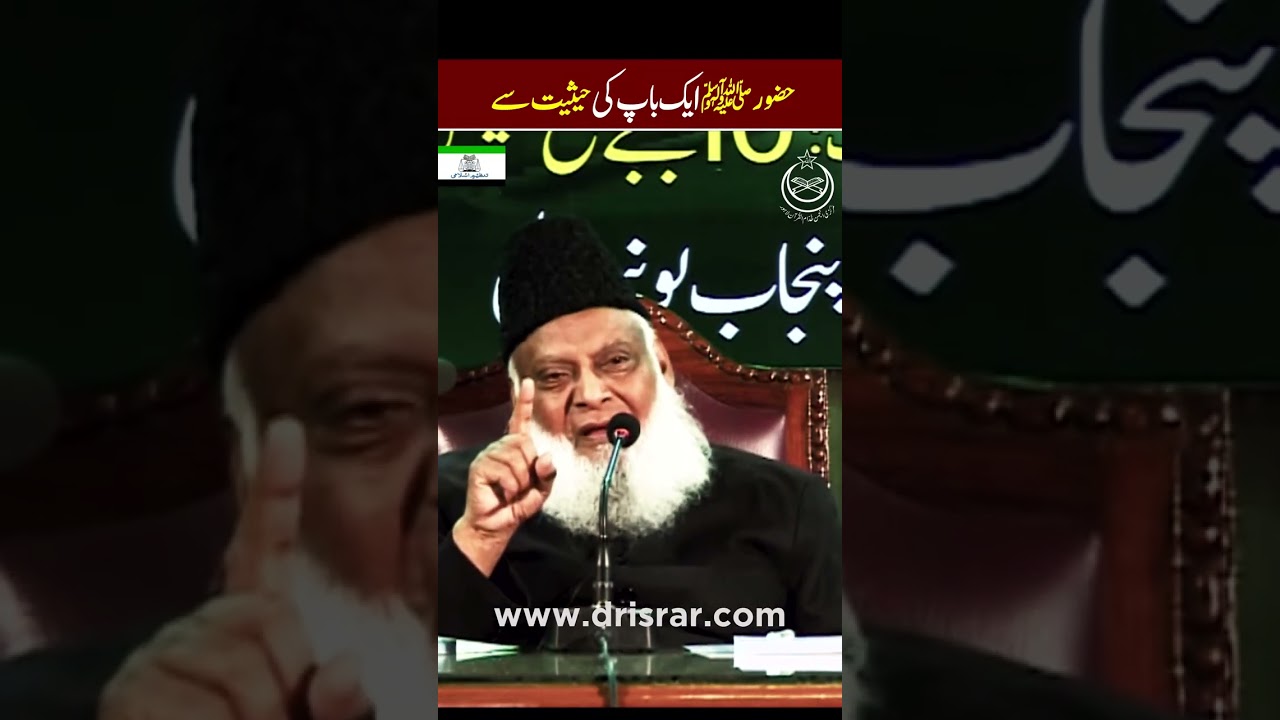
This lecture explores the life of Hazrat Fatima, the daughter of Prophet Muhammad (peace be upon him), highlighting her sacrifices, devotion, and the hardships she endured. It delves into her relationship with her father, her role as a mother, and the challenges faced by the early Muslims. The speaker emphasizes Fatima’s piety, patience, and her exemplary character as a role model for all believers. The discussion also touches upon the material possessions and worldly comforts, contrasting them with spiritual values and the importance of remembrance of Allah after every prayer.
93
