Kurze Hose
This lecture explores the distinction between faith and worldly affairs. It asserts that belief in one God, many gods, or no god is a matter of personal choice. Religious practices like fasting and worship in various places of worship are permitted. Civilization, politics, economics, and social systems – collectively termed ‘collective systems’ or ‘neopolitic-socio-economic systems’ – are separate from religion. These systems, constituting the fabric of societal organization, fall outside the realm of religious doctrine and are governed by different principles.

67
This reflection contemplates the human condition, questioning the meaning of existence beyond mere biological survival. It explores the stages of life – childhood, adolescence, youth, and old age – and asserts that true life transcends this temporary physical realm. The speaker posits that our earthly existence is a brief, evaluative period—a test—within a larger, eternal reality. This life is not the entirety of being, but a small segment, a temporary pause before returning to a perpetual, youthful existence. The core message is that the purpose of life lies beyond this transient world, within a spiritual and enduring context.
65
The number of verses in the Quran is a subject of some debate, estimated to be around 6,200, with variations stemming from whether or not to include the opening 'Bismillah' verse before each chapter (Surah), except for Surah At-Taubah. Including it would add 113 verses to the total. The number of Surahs, however, is definitively 114. Translating the concept of 'Surah' into English presents a challenge, and retaining the original term will likely foster wider understanding and acceptance. The lecture explains these nuances of Quranic structure.
69
This lecture explains the Sunni perspective on the ranking of the Sahaba, particularly the Rashidun Caliphs. The ranking is based on the consensus of the Sahaba themselves, as demonstrated by their selection of Abu Bakr, then Umar, then Uthman, and finally Ali as Caliphs. Each selection implies the chosen individual was considered the most suitable at that time. This system of ranking, known as *tartib al-khilafa*, is detailed in the writings of Hazrat Mujaddid Alf Sani. The lecture then briefly references the remaining six members of the Ashara Mubashara.
44
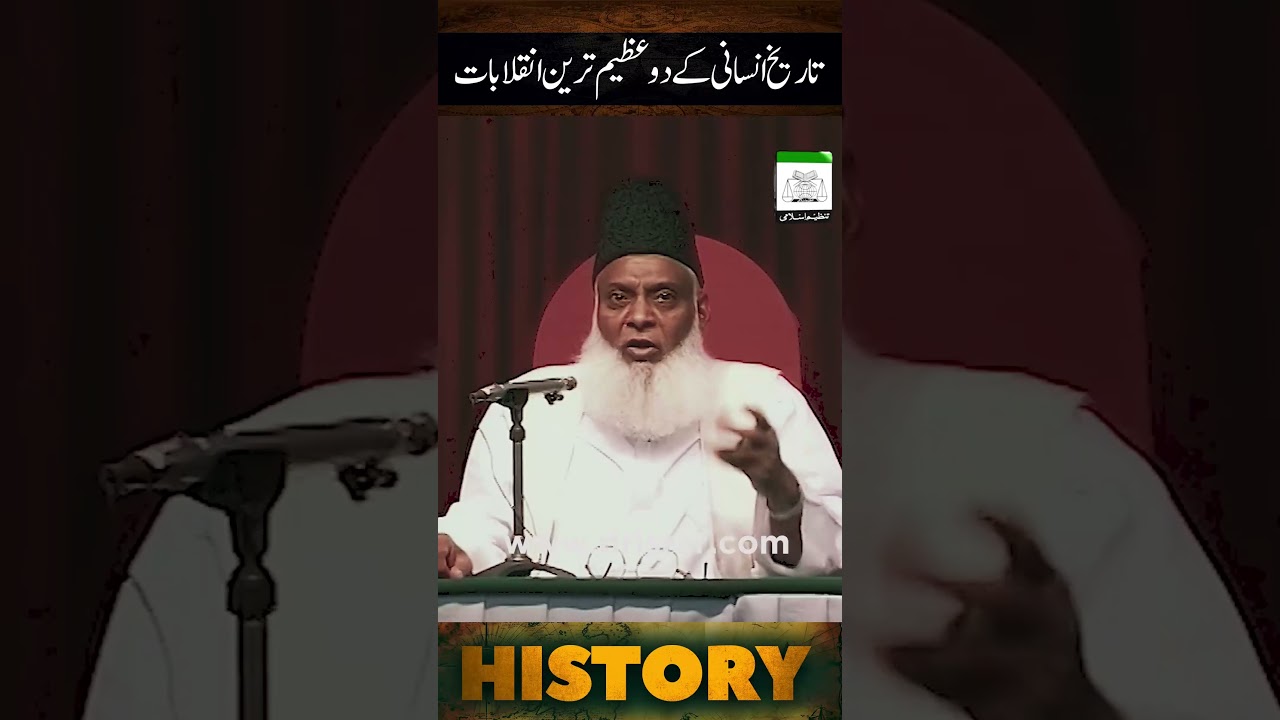
This lecture analyzes the French and Russian Revolutions, highlighting their incomplete nature. Both revolutions primarily altered the political structure while leaving core beliefs, social systems, values, and economic institutions largely unchanged. The Bolshevik Revolution uniquely transformed the economic framework by abolishing private ownership and nationalizing resources, yet it did not affect the fundamental beliefs or social values. This discussion emphasizes how revolutions often fail to achieve comprehensive societal change, focusing instead on specific structural adjustments.
76
This lecture critiques the hypocrisy prevalent within religious observance, highlighting a focus on outward rituals while neglecting inner spirituality. It emphasizes the dangers of superficial adherence to faith, comparing it to beautifully decorated tombs concealing decay within. The speaker argues that genuine faith requires a connection to the divine, not merely outward displays of piety. The discussion extends to contemporary issues of materialism, corruption, and the loss of spiritual values, drawing parallels between past and present societal failings. The lecture underscores the importance of cultivating a sincere relationship with God and striving for inner transformation.
61
