Шорты
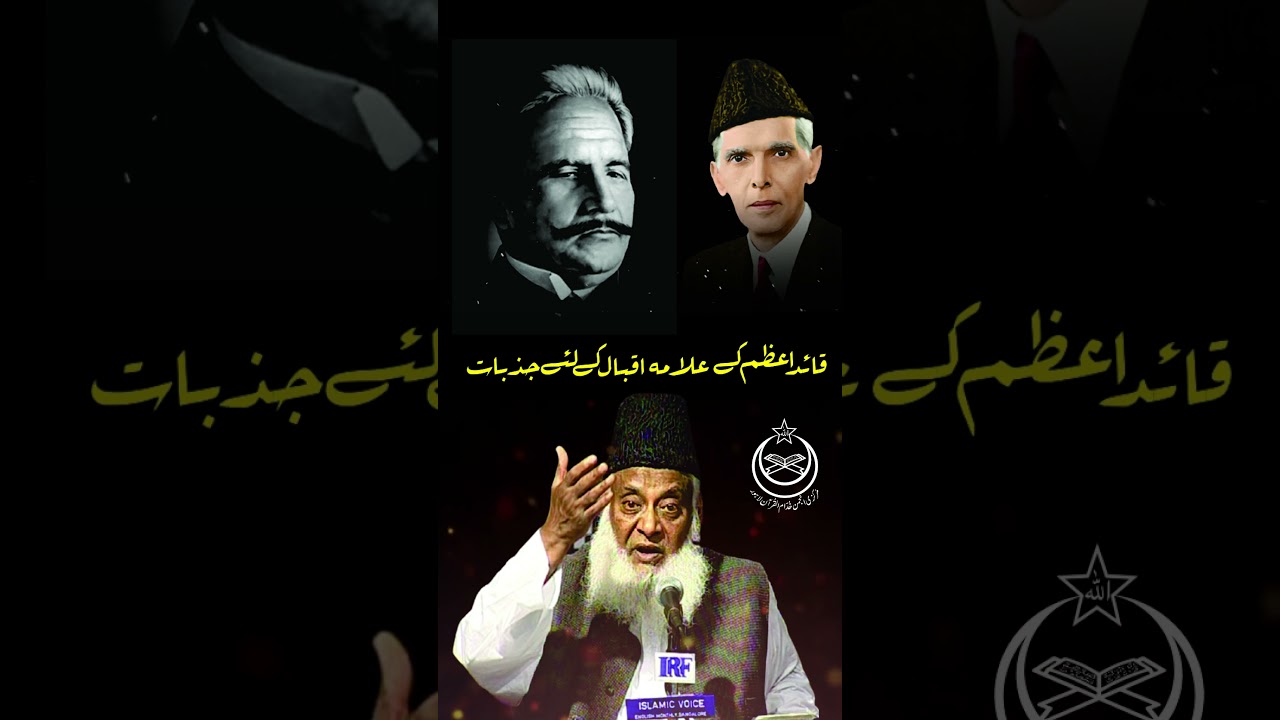
This lecture discusses the precise and deliberate manner of speech employed by Muhammad Ali Jinnah. It highlights that Jinnah was not one to engage in frivolous talk, but rather carefully considered each word before speaking. The speaker emphasizes Jinnah's commitment to accuracy and thoughtfulness in his communication, contrasting it with superficial rhetoric.

76

The lecture discusses the possibility of a human attaining a status akin to angels through sincere worship, referencing the case of Azazil. It explains that pious individuals, known as Wali Allah, after death, have their souls integrated into the lower ranks of angels—not the highest—to serve as divine agents. This integration occurs by divine selection and is supported by the example of Shah Ali Allah, whose scholarly stature and spiritual position serve as evidence.
58
This lecture explains the Sunni perspective on the ranking of the Sahaba, particularly the Rashidun Caliphs. The ranking is based on the consensus of the Sahaba themselves, as demonstrated by their selection of Abu Bakr, then Umar, then Uthman, and finally Ali as Caliphs. Each selection implies the chosen individual was considered the most suitable at that time. This system of ranking, known as *tartib al-khilafa*, is detailed in the writings of Hazrat Mujaddid Alf Sani. The lecture then briefly references the remaining six members of the Ashara Mubashara.
44
This lecture discusses the esteemed position of Hazrat Ali (RA) within Islamic history and theology. It establishes him as one of the rightly guided Caliphs and highlights his exceptional virtues among the companions of the Prophet Muhammad (peace be upon him). The discussion clarifies his rank relative to Abu Bakr, Umar, and Uthman (RA), acknowledging their superior position, while affirming Hazrat Ali’s prominence among all other companions. The lecture focuses on the sequential order of Caliphs according to the Sunni perspective and establishes Hazrat Ali's elevated status within that framework.
98

This lecture explores the critical connection between mindful prayer and genuine spiritual transformation. The speaker explains that rote recitation without internal presence renders prayer ineffective. A wandering mind, preoccupied with worldly concerns, prevents the experience of divine connection. True prayer requires focused attention, a conscious awareness of standing before God, and a heartfelt submission. Only when the mind and heart are fully engaged does prayer become a powerful force for character building and positive change. The speaker emphasizes that a distracted mind will fill with anxieties and worldly matters, negating the spiritual benefits of prayer. The essence of prayer lies in experiencing a direct connection with the Divine.
82
This lecture emphasizes the importance of mastering the world rather than being mastered by it. It explores the concept that worldly possessions, though beautiful, are ultimately tests designed to distract from true devotion to God. The speaker warns against becoming consumed by material pursuits and losing sight of spiritual priorities. True love and fulfillment are found in a connection with the Divine, not in the fleeting allure of worldly attractions. The core message is to remain steadfast in faith and avoid being captivated by the superficial beauty of the world.
71
