Shorts
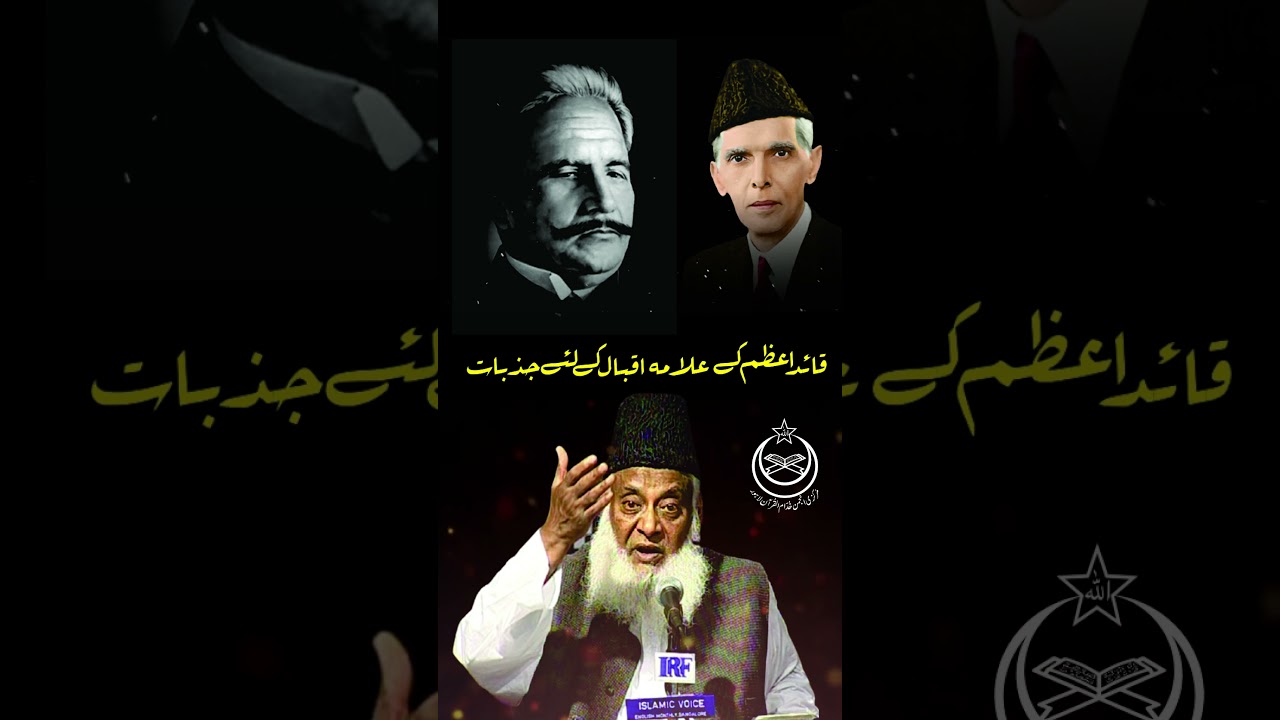
This lecture discusses the precise and deliberate manner of speech employed by Muhammad Ali Jinnah. It highlights that Jinnah was not one to engage in frivolous talk, but rather carefully considered each word before speaking. The speaker emphasizes Jinnah's commitment to accuracy and thoughtfulness in his communication, contrasting it with superficial rhetoric.

76
True justice originates from God. The inherent system He established is fundamentally just. As loyal servants, it is our responsibility to uphold and implement this divine system. This requires a firm and unwavering stance for justice, utilizing all available resources and strength. This is not merely a response to societal turmoil, but a demand of our devotion to God. It necessitates standing as witnesses to His faith, embodying justice and fairness in all actions, and actively championing equitable principles.
59

Dr. Israr Ahmad discusses the imposition of the Muslim Family Laws Ordinance in 1961 by a military dictator, highlighting the lack of unified opposition from various Islamic sects despite widespread acknowledgement of its flaws. He points out that despite repeated proclamations of Islamic values, subsequent leaders, including Zia-ul-Haq, failed to amend or repeal the ordinance, allowing it to remain law for over a decade. The lecture examines the historical context and the absence of concerted religious resistance to the legislation.
51
This lecture addresses the complex situation when parental demands conflict with divine commands in Islam. It clarifies that while parents hold a significant position of respect and obedience immediately after God, God’s commands take precedence. The speaker emphasizes that a son or daughter should respectfully but firmly explain their limitations, drawing parallels to the example of Prophet Ibrahim (Abraham), and avoid yielding to demands that involve disobedience to God. Maintaining respectful communication and soft persuasion are encouraged, but unwavering adherence to God’s commands is paramount.
59
This lecture discusses a dangerous mindset prevalent among some communities: the belief that belonging to a specific lineage or group guarantees forgiveness and exempts them from accountability. This mindset leads to moral decay, justification of wrongdoing, and a rejection of responsibility. The speaker warns against prioritizing worldly pleasures and neglecting spiritual obligations, emphasizing the fleeting nature of life and the importance of striving for righteousness. He asserts that accountability is universal and that true salvation comes through sincere repentance and adherence to divine guidance, not through false assurances of inherited privilege.
76
This lecture discusses the Islamic perspective on charitable giving and the rights of heirs. A companion of the Prophet Muhammad (peace be upon him) inquired about donating all his wealth for the sake of Allah. The Prophet advised against leaving heirs destitute, emphasizing their rightful share. The companion then proposed donating half, then a third, with the Prophet accepting the one-third contribution as appropriate. This highlights a balanced approach to charity, respecting both the act of giving and the welfare of one’s family.
66
