מִכְנָסַיִים קְצָרִים
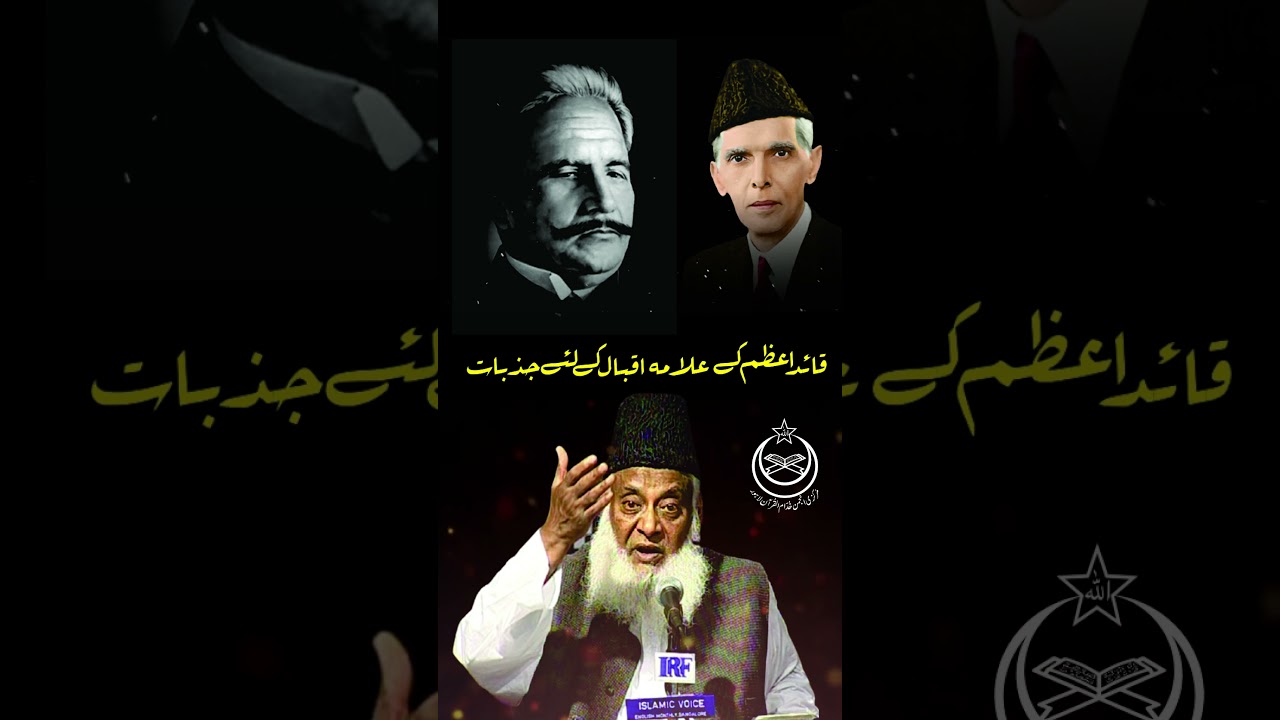
This lecture discusses the precise and deliberate manner of speech employed by Muhammad Ali Jinnah. It highlights that Jinnah was not one to engage in frivolous talk, but rather carefully considered each word before speaking. The speaker emphasizes Jinnah's commitment to accuracy and thoughtfulness in his communication, contrasting it with superficial rhetoric.

76
Maintaining balance between the oneness of God and love for the Prophet is crucial. Obedience to God and the Prophet are equal in importance, but one follows God's commands while the other emulates the Prophet’s example. Following the Prophet is obligatory, achieved through action, not just claims. Any practice that claims to follow the Prophet without enacting it is fraudulent and creates a distinction between truth and falsehood. True adherence to the Prophet is demonstrated through practical application of his teachings.
74
The Quran was not revealed all at once, but gradually over a period of time. This approach served multiple purposes. It allowed people to comprehend and internalize the teachings progressively, fostering deeper understanding and personal transformation. The gradual revelation accommodated the capacity of the audience, ensuring they could reflect upon and integrate the message into their lives. This method facilitated a lasting impact on their intellect, mindset, and overall character. The Quranic verse (Surah Bani Israel 106) explicitly states this intentional fragmentation to aid in recitation and comprehension.
46
The Prophet Muhammad (peace be upon him) was asked about the most virtuous form of migration. He responded that the most excellent migration is abandoning everything displeasing to God. This necessitates a personal assessment of one’s life and the eradication of actions contrary to the spirit of Islamic law. The lecture emphasizes immediate action, stating that the time for rectifying oneself is now, before it is too late. It's a call for sincere repentance and a commitment to living a life aligned with divine guidance.
240
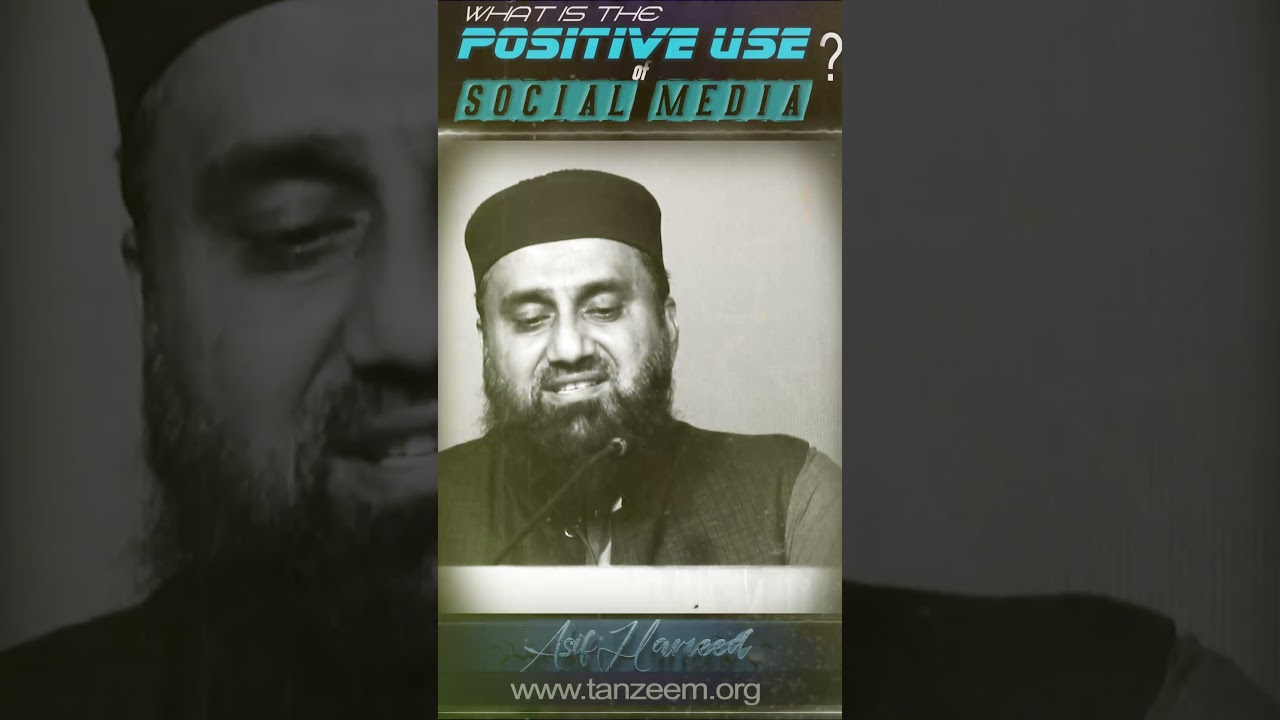
This lecture emphasizes the crucial role of social media in contemporary dawah and the propagation of Islamic thought, building on the legacy of Dr. Israr Ahmad. The speaker highlights the extensive digital archive of Dr. Ahmad’s content, now available across multiple platforms including YouTube (12 channels), Facebook (4 pages), Instagram (6 accounts), TikTok (2 accounts), Pinterest, SoundCloud, WhatsApp (3 channels), Telegram (2 channels), and dedicated websites. Viewers are encouraged to subscribe to these official channels to access authentic materials and actively share the content to broaden its reach. The speaker stresses the ease with which individuals can contribute to this dawah effort through simple actions like sharing content online, framing it as a continuation of the Prophet’s practice of utilizing available communication methods. The goal is to amplify the message of the Quran and strengthen the struggle for its implementation.
76
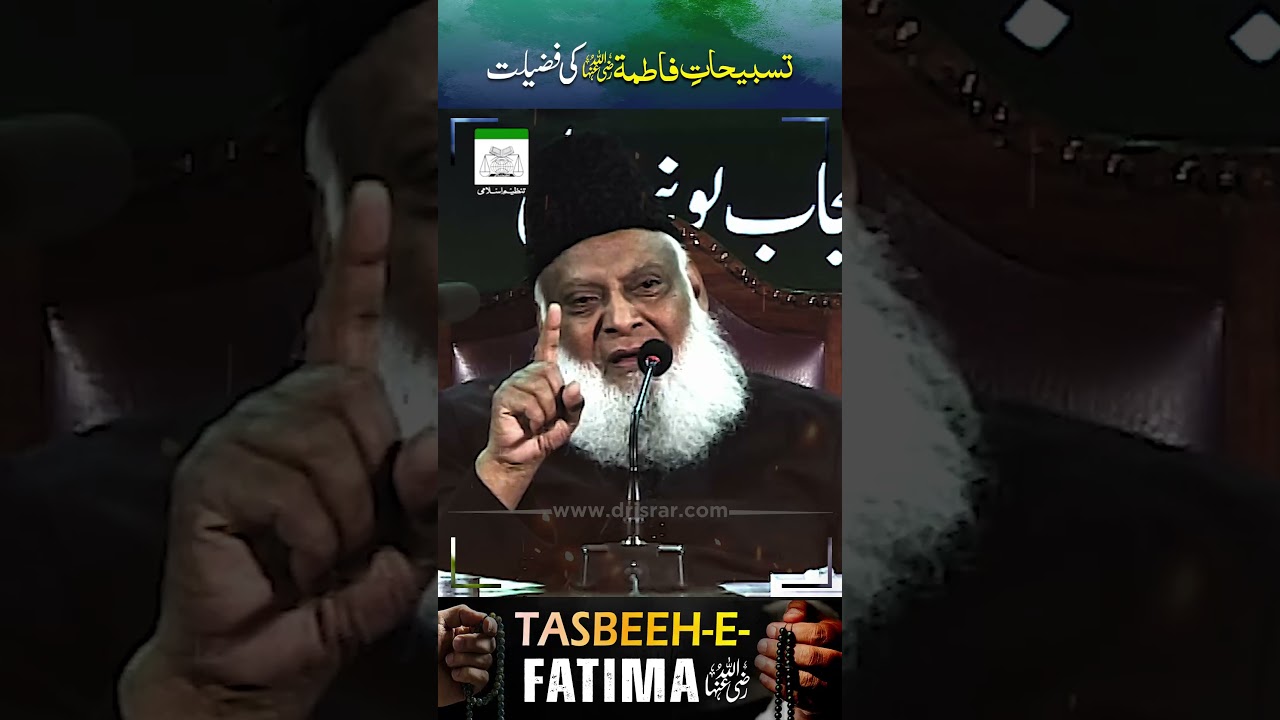
This lecture explores the life of Syeda Fatima, the beloved daughter of the Prophet Muhammad (peace be upon him). It details her hardships, including physical strain from household chores and the challenges faced by early Muslims. The discussion emphasizes her devotion, piety, and the sacrifices she made for her father and the nascent Muslim community. It also addresses a poignant moment where she questions the disparity in worldly possessions, highlighting her spiritual focus despite material needs. The lecture concludes with a reflection on the immense love and respect the Prophet held for his daughter and the practice of reciting specific praises after each prayer.
57
