Shorts
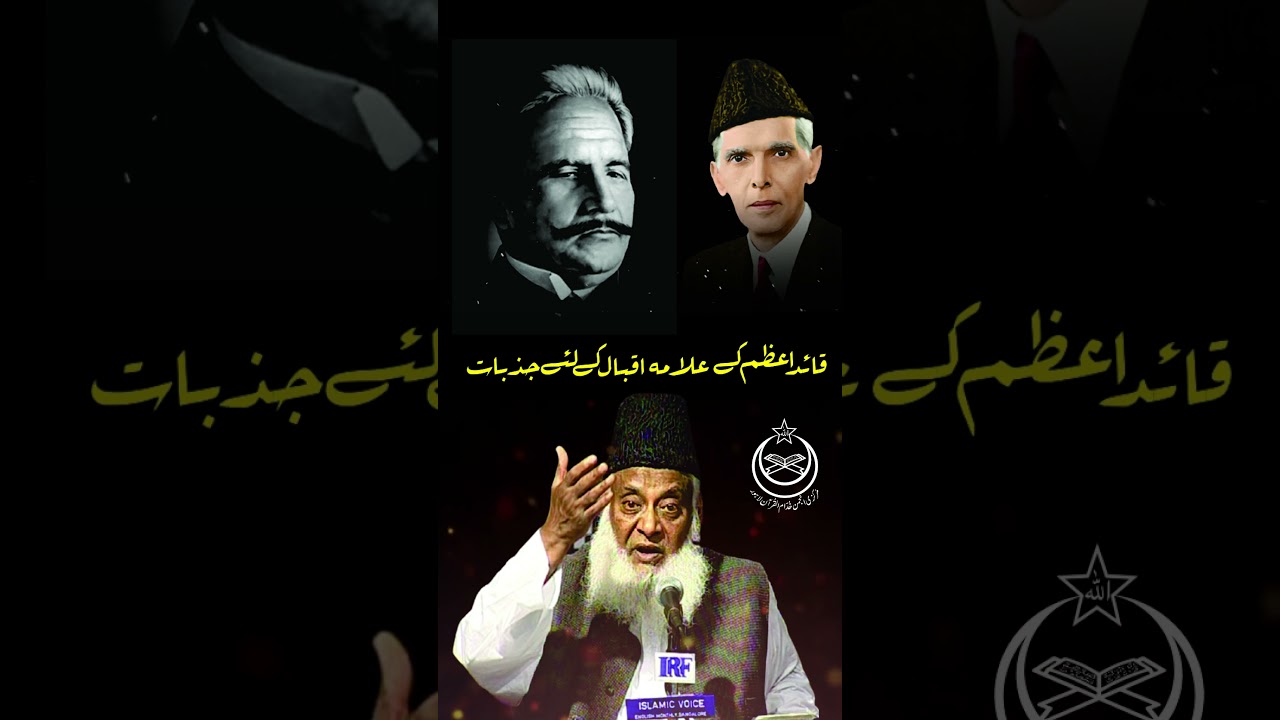
This lecture discusses the precise and deliberate manner of speech employed by Muhammad Ali Jinnah. It highlights that Jinnah was not one to engage in frivolous talk, but rather carefully considered each word before speaking. The speaker emphasizes Jinnah's commitment to accuracy and thoughtfulness in his communication, contrasting it with superficial rhetoric.

76

This lecture details the life of Abu Bakr Siddique, focusing on his successful business prior to embracing Islam. It highlights how his dedication shifted from commerce to the propagation of the faith after accepting Islam. The lecture emphasizes Abu Bakr’s pivotal role in early Islamic outreach, specifically detailing how his efforts led six individuals from the 'Ashra Mubashara' (ten blessed companions) to accept Islam and join the Prophet's cause. The discussion underscores the transformation from worldly pursuits to devotion to religious work, and the sacrifices made for the sake of Islam.
47
This lecture emphasizes that true service to humanity lies in saving people from the torment of hellfire, rooted in the belief that the afterlife is the true existence. It highlights that indifference to the suffering of others, particularly their spiritual peril, demonstrates a lack of compassion. The core message is that preventing someone from entering hell is the greatest act of service, especially if one is aware of the consequences of disbelief. Genuine faith necessitates actively guiding others towards salvation and alleviating their spiritual hunger.
86
The speaker illustrates the difference between accepting information based on consensus and achieving genuine belief through personal experience. Just as someone unfamiliar with sugar relies on the testimony of others, true faith requires internal verification. Until one’s ‘test bits’ – internal faculties – are active and functioning, genuine certainty remains elusive. This lecture emphasizes that belief is not merely intellectual assent, but a state attained through lived experience and internal confirmation.
66
The lecture clarifies the true essence of charity (Sadaqat) and obligatory alms (Zakat) in Islam. It emphasizes that Zakat isn’t merely about giving cash but applies to all forms of trade and wealth. True charity must be performed sincerely, without seeking recognition or reward. Ostentatious displays of piety are considered a form of polytheism. The speaker stresses that Zakat is a pillar of Islam, a foundation for economic justice, and a means to support vulnerable communities. Sincere giving, performed privately and for the sake of God alone, is the only act that earns divine acceptance.
112

This lecture explains that Allah hears and responds to every sincere call and prayer, regardless of location or circumstance. It clarifies that proximity to sacred places like the Haram or Arafat doesn't create a greater connection with Allah; He is always near. The speaker refutes the notion that one cannot directly communicate with Allah, emphasizing that such beliefs stem from polytheistic ideologies. Allah is ever-present and accessible to those who turn to Him sincerely. The lecture stresses that Allah is not distant but close to those who call upon Him and that true connection comes through sincerity, not location.
70
