Celana pendek

This lecture discusses humanity’s trial within life, emphasizing a decline from the original purpose of establishing divine guidance on Earth. It reflects on the current state of Muslims globally, questioning the presence of Islamic principles—prayer, fasting—without the accompanying just system and true faith. The speaker asserts that humanity has become deserving of divine punishment, mirroring the fate of earlier nations. The core message centers on accountability and the necessity of aligning actions with true Islamic values.

46
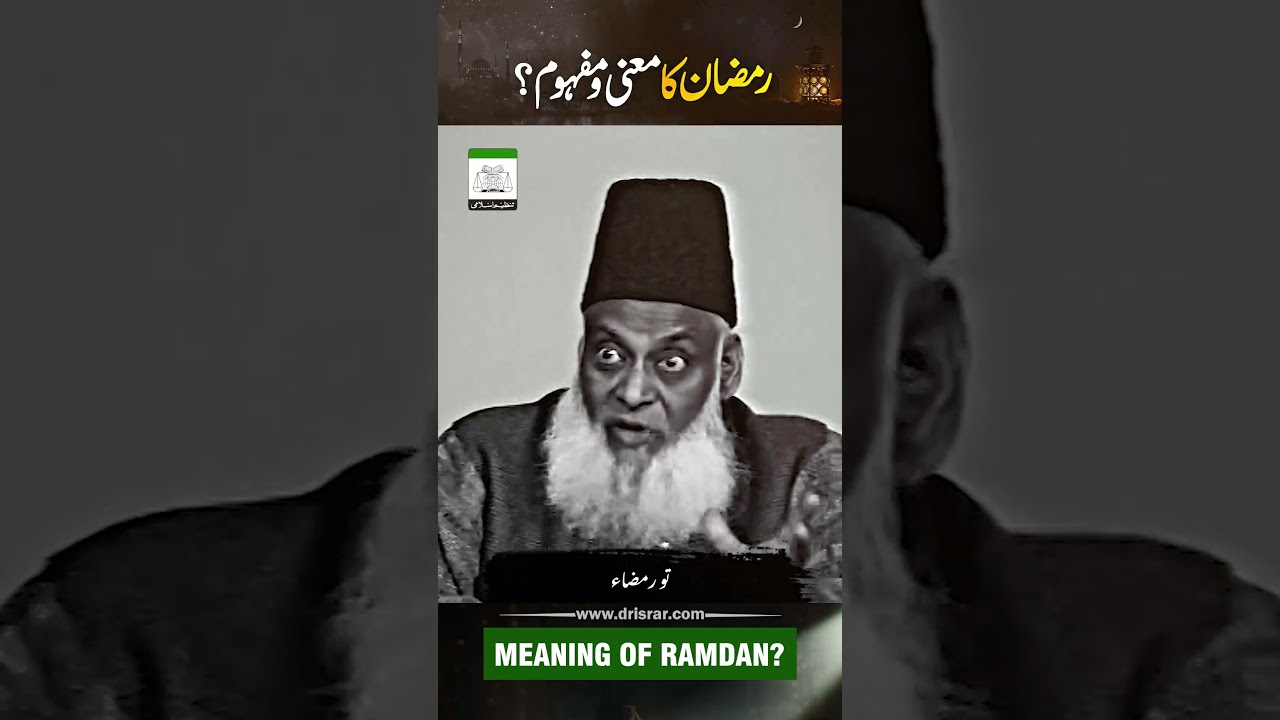
The name Ramadan originates from the intense heat that once prevailed in Arabia, causing hardship and even death. People perceived this time as one where purification occurred naturally. The month of Ramadan was thus associated with cleansing and seen as a period where accumulated impurities within the human body were naturally eliminated. The practice of fasting was ordained by God to facilitate this process. Another interpretation connects the name Ramadan to one of God’s names, signifying ‘the month of God.’ This is supported by a tradition of the Prophet Muhammad, who identified Sha’ban as his month and Ramadan as God’s month.
58

Partial obedience is unacceptable; complete submission to divine commands is required. Selectively following religious dictates, driven by personal inclination, renders all obedience void. The Quran warns against accepting some scriptures while rejecting others, leading to disgrace in this life and severe punishment in the hereafter. Allah sees beyond superficial displays of piety and judges intentions. True devotion requires sincere faith and righteous actions, not merely outward rituals performed with ill-gotten gains. This lecture emphasizes the importance of wholehearted commitment to faith and the consequences of hypocrisy.
46
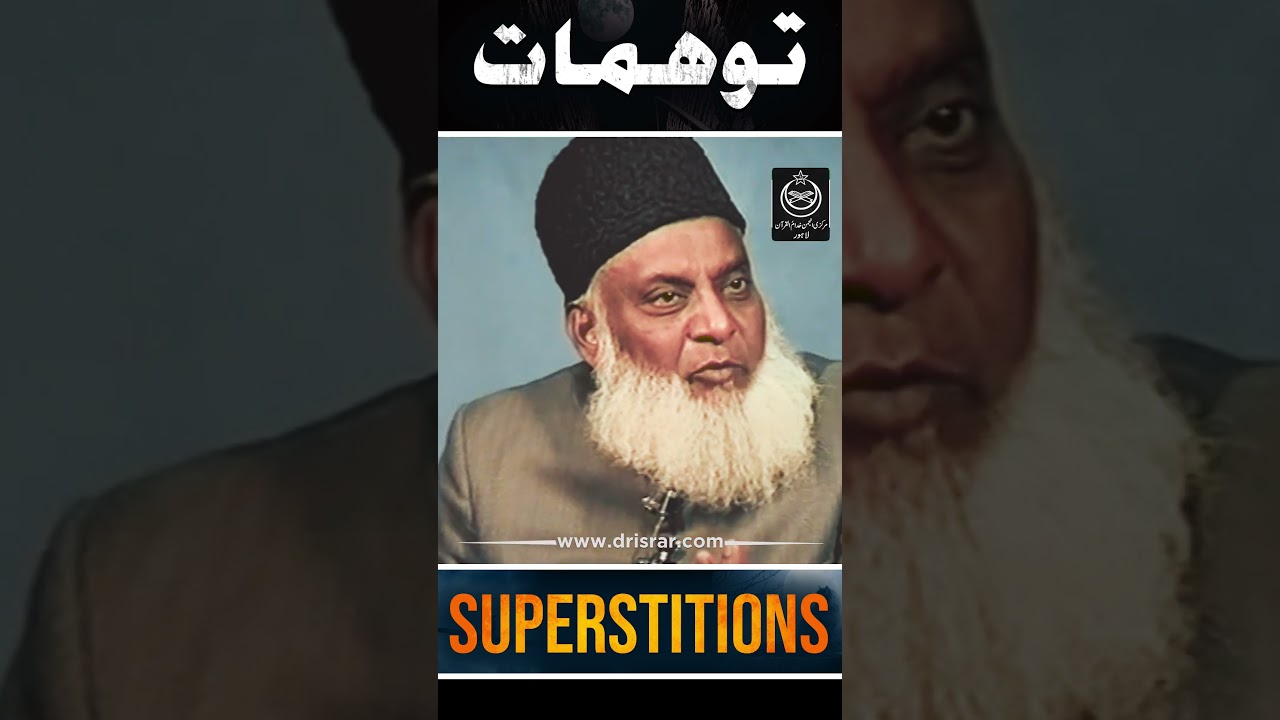
Earthquakes are not based on superstition or coincidence, but are a natural phenomenon linked to the Earth’s structure. The Earth is described as balanced on two horns, similar to a bull. When one ‘horn’ weakens, the Earth shifts to the other, causing seismic activity. This concept predates modern science and is found in revealed texts. The Quran emphasizes abandoning speculation and basing beliefs on knowledge, as highlighted in Surah Al-Furqan and verses in Surah Bani Israel that discourage following what one lacks understanding of. The lecture stresses the importance of grounding faith in reason and observable reality.
72

This lecture explores a stanza from the poem 'Sam-e-Hayat,' interpreting its metaphorical connection between the rhythm of a military funeral procession and the beating of one’s own heart as a measure of time approaching death. The speaker explains that each beat of the drum in the funeral procession brings the coffin closer to the grave, mirroring how each heartbeat brings an individual closer to their final destination. The poem's imagery highlights the transient nature of life and the inevitability of death, urging reflection on mortality.
79

This lecture emphasizes that prayer (dua) is the core of worship. God hears and responds to every sincere call, irrespective of the supplicant’s location or posture. God accepts prayers offered from any place, whether at home or elsewhere, and responds to those who turn to Him with devotion. The essence of faith lies in maintaining a constant connection with God through heartfelt supplication.
18
