מִכְנָסַיִים קְצָרִים

This lecture discusses humanity’s trial within life, emphasizing a decline from the original purpose of establishing divine guidance on Earth. It reflects on the current state of Muslims globally, questioning the presence of Islamic principles—prayer, fasting—without the accompanying just system and true faith. The speaker asserts that humanity has become deserving of divine punishment, mirroring the fate of earlier nations. The core message centers on accountability and the necessity of aligning actions with true Islamic values.

46
This lecture discusses a crucial inner assessment. One side of a metaphorical scale holds love for eight worldly things: father, son, siblings, spouse, relatives, wealth, skills, and home. The other side holds love for God, the Prophet, and striving in His path. True faith requires that the latter outweigh the former. Until this balance is achieved, one remains susceptible to worldly desires and divine guidance is withheld. Every individual must establish this internal scale to evaluate their spiritual state and prioritize devotion over material attachments. It emphasizes the importance of sincere faith and prioritizing spiritual values to attain divine guidance and success.
53
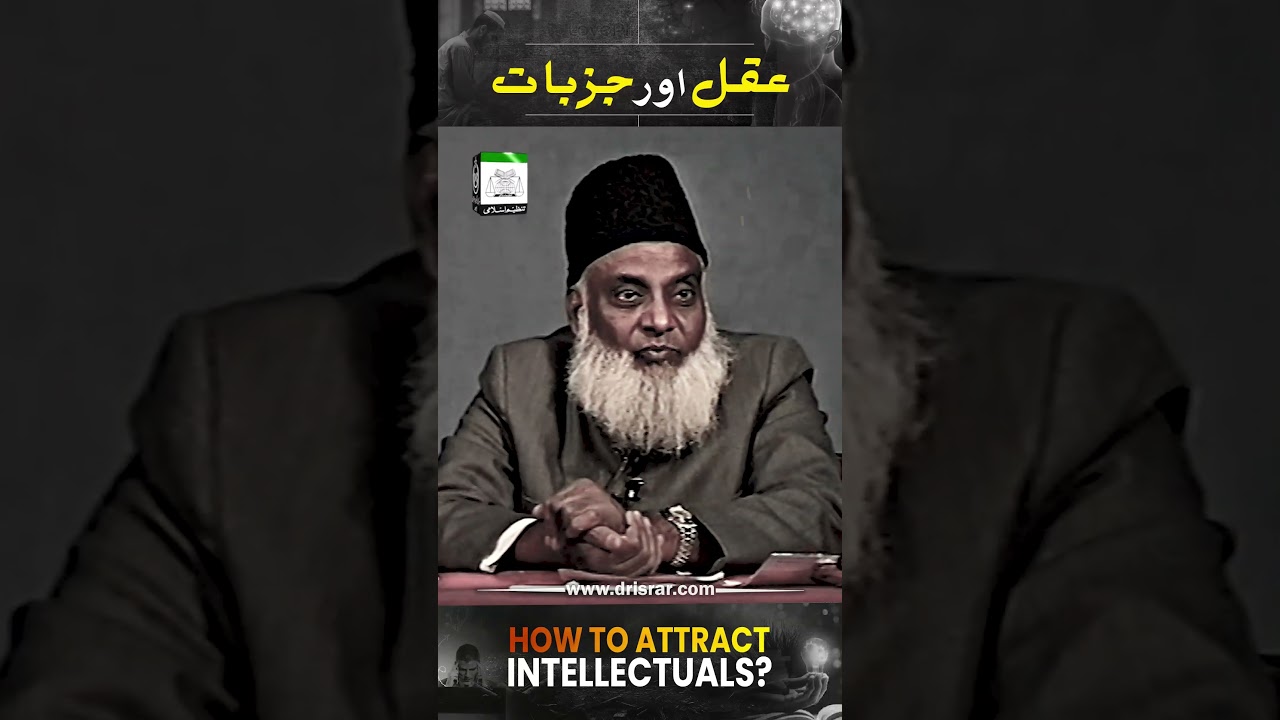
This lecture explores the crucial balance between intellect and emotion. It argues that while reason illuminates the path – defining goals and direction – it is passion that provides the impetus for action. The speaker uses the historical example of the *iqal* – a rope used by Arab Bedouins to tether their camels – to illustrate how limiting oneself to reason alone can stifle progress. The *iqal*, initially used to restrain the camel, became a symbol of freedom when moved to the owner’s head, signifying a readiness to embark on a journey. The lecture emphasizes that true progress requires both rational understanding and emotional drive, cautioning against being overly bound by practical considerations and societal expectations.
78

This lecture details the life of Abu Bakr Siddique, focusing on his successful business prior to embracing Islam. It highlights how his dedication shifted from commerce to the propagation of the faith after accepting Islam. The lecture emphasizes Abu Bakr’s pivotal role in early Islamic outreach, specifically detailing how his efforts led six individuals from the 'Ashra Mubashara' (ten blessed companions) to accept Islam and join the Prophet's cause. The discussion underscores the transformation from worldly pursuits to devotion to religious work, and the sacrifices made for the sake of Islam.
42
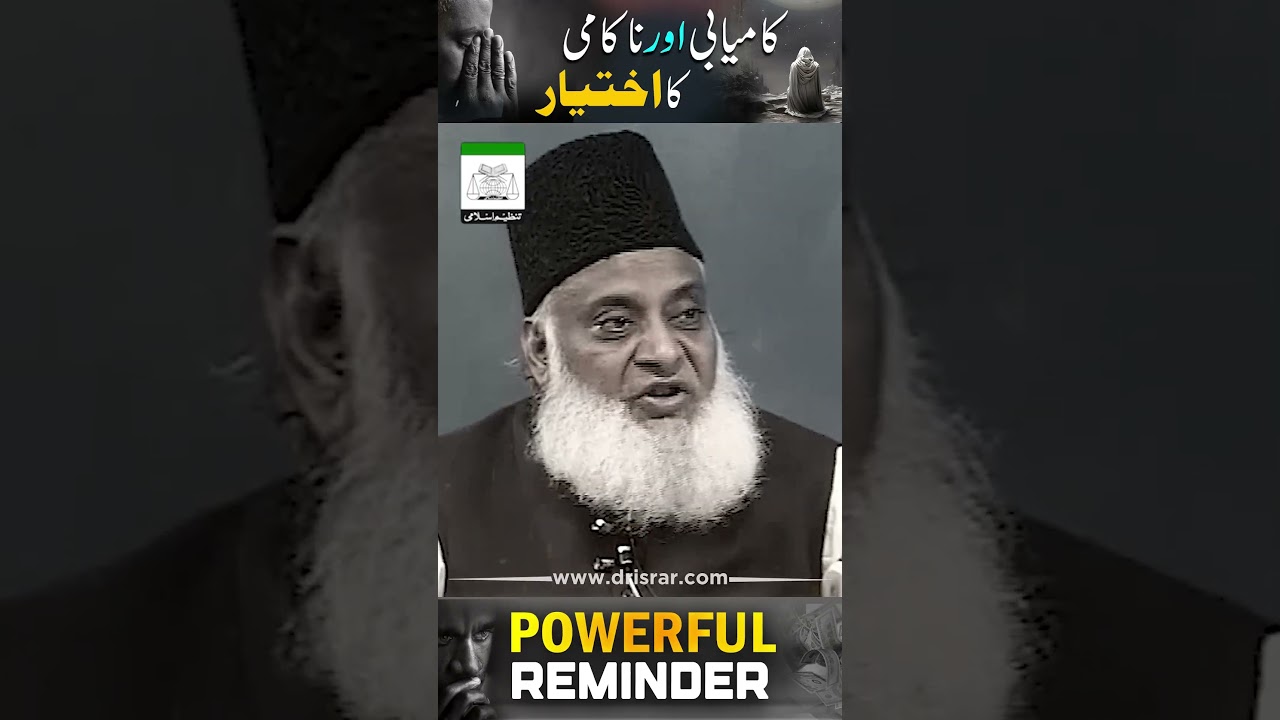
This lecture explores the human condition as a test between spiritual enlightenment and worldly allure. The metaphor of a moth drawn to a flame represents the soul’s journey. One path leads to divine favor and eternal reward, while the other, captivated by the transient beauty of the world, results in loss. True success lies in prioritizing spiritual truths and the eternal blessings of the afterlife over fleeting worldly pleasures. The core message is a call to self-reflection and a conscious choice towards divine guidance.
74
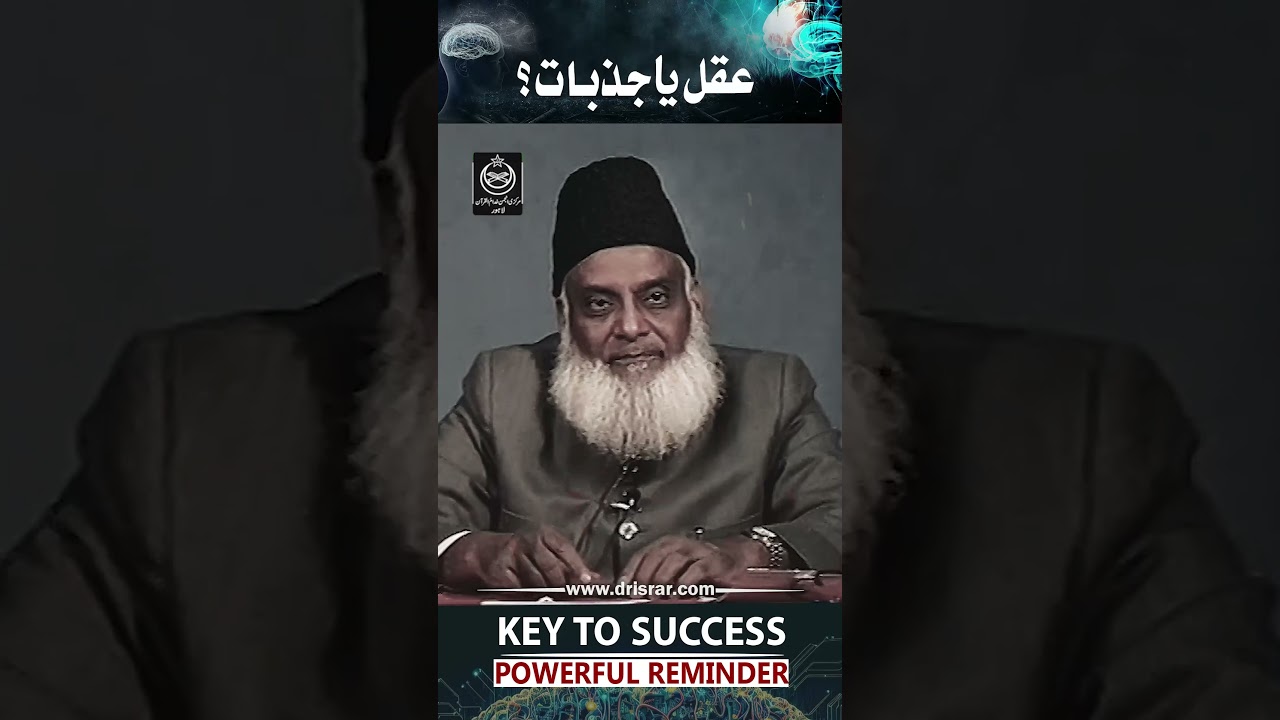
This lecture explores the conflict between intellect and passionate faith, using the story of Ibrahim and Nimrod as a central analogy. It argues that true devotion requires transcending rational self-preservation. The speaker emphasizes that while intellect provides guidance and direction, moments of profound commitment demand acting beyond logical calculation, fueled by unwavering belief. It highlights the importance of emotional conviction in propagating a message, even at personal risk, and asserts that intellectual analysis alone cannot drive transformative action. The lecture encourages listeners to move beyond purely rational thought when pursuing higher purposes, embracing the power of heartfelt conviction.
66
