شارٹس
Death is not an end, but a pause in life, a transition to what comes next. This lecture explores the revolutionary impact of faith on the companions of the Prophet Muhammad, peace be upon him. They were dedicated, committed seekers of the afterlife, lovers of God, and devoted to the Prophet. For them, the Prophet’s gesture was a command, and they willingly sacrificed their lives, homes, and worldly possessions for the sake of their faith. This dedication birthed a revolution, and the Quran was the means by which these exceptional individuals were prepared.

76
This lecture explores the concept of attributing both good and evil to Allah, emphasizing the importance of acknowledging mistakes and seeking forgiveness. It clarifies that while humans are prone to error, attributing good deeds to divine guidance and accepting responsibility for misdeeds is crucial. The speaker highlights the necessity of repentance (tawbah) and understanding that true guidance comes from Allah alone. The discussion also touches upon the temptation and subsequent justification of wrongdoing, illustrating the deceptive nature of Shaytan and the importance of self-accountability. Ultimately, the lecture emphasizes that sincere repentance and reliance on Allah’s mercy are essential for spiritual growth.
60
The speaker discusses the permissibility and desirability of conducting nikah ceremonies in mosques. Initially, the idea was met with some resistance, but convincing arguments were presented. He emphasizes a tradition from the Prophet Muhammad encouraging publicizing nikah and performing it in mosques, citing a narration from Jami’ al-Tirmidhi. While some scholars interpret the directive as not obligatory but rather recommended, the speaker questions why one would abandon a practice favored by the Prophet. He highlights that the nikah ceremonies of the Prophet’s daughters were also held in mosques and appeals to community leaders to embrace this practice, motivated by love for the Prophet.
76
Everyone is susceptible to error, whether through momentary lapses in judgment, the influence of negative companionship, or impulsive actions. The core message is that faith provides a pathway to immediate repentance. Delaying repentance is detrimental. Allah SWT has explicitly taken responsibility for accepting the sincere repentance of those who, despite momentary weakness, turn back to Him with genuine remorse. The Quranic verse from Surah Dasa highlights Allah’s commitment to accepting the repentance of those who sincerely seek forgiveness. True repentance guarantees acceptance and a fresh start.
76
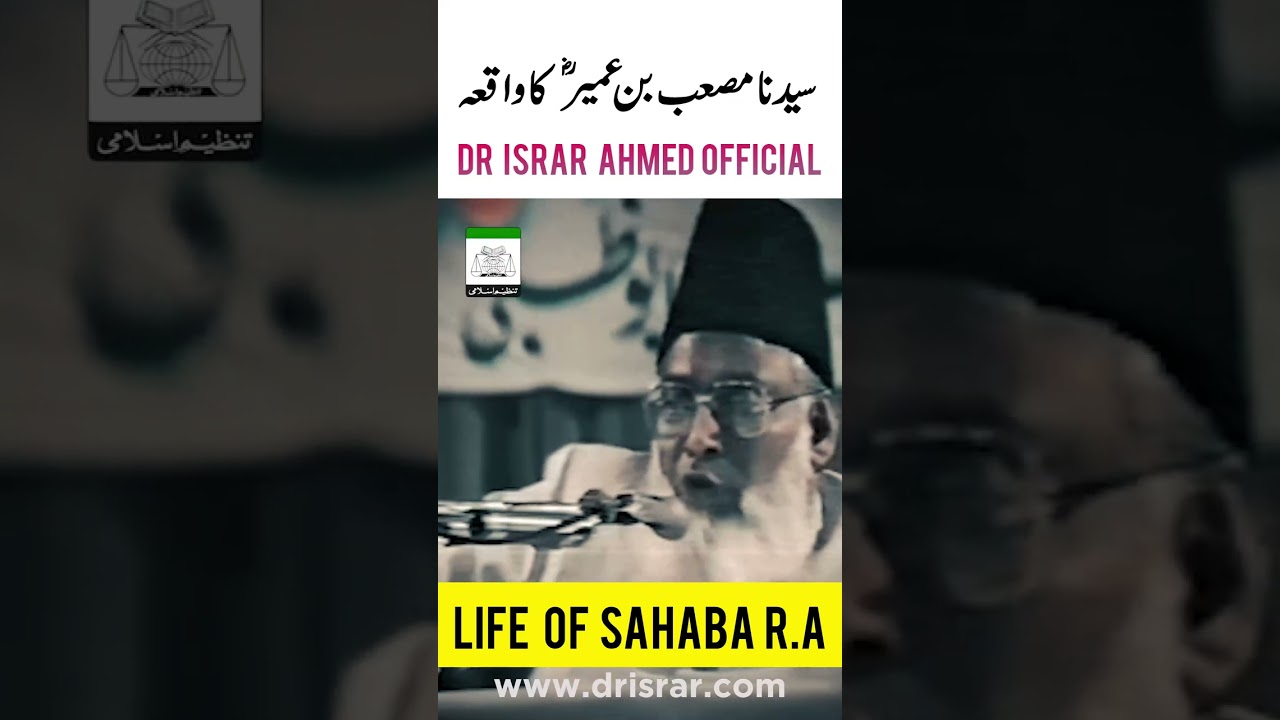
Musab bin Umar, a young man raised in luxury, faced ostracism when he refused to renounce his faith after his father’s death. His mother, unable to defy her brother, the head of the family, was forced to comply with the uncle’s decree that Musab forfeit his inheritance and leave the house. The uncle, angered by Musab's adherence to his father’s religion, demanded he relinquish all property acquired through his father's wealth. Musab accepted the exile, even removing the clothes he wore, which were purchased with that wealth, before leaving his home. This demonstrates a powerful commitment to belief and principle.
64

This lecture explores the concept of aligning one’s life entirely with the will of God. It emphasizes that true devotion involves surrendering all aspects of existence – prayer, sacrifice, life, and death – to the divine. The speaker argues that when life is dedicated to God, it transcends earthly pursuits and becomes a source of spiritual strength. Material means and worldly endeavors should become secondary to this divine connection, and individuals should strive for a life of complete submission and purpose. The ultimate goal is to have one's heart filled with reverence for God.
51
