מִכְנָסַיִים קְצָרִים
Death is not an end, but a pause in life, a transition to what comes next. This lecture explores the revolutionary impact of faith on the companions of the Prophet Muhammad, peace be upon him. They were dedicated, committed seekers of the afterlife, lovers of God, and devoted to the Prophet. For them, the Prophet’s gesture was a command, and they willingly sacrificed their lives, homes, and worldly possessions for the sake of their faith. This dedication birthed a revolution, and the Quran was the means by which these exceptional individuals were prepared.

76
This lecture outlines three essential methods for conveying the message of God: wisdom (hikmat), good counsel (nasihath hasana), and gracious debate (jidal hasan). Wisdom involves presenting logical arguments and evidence. Good counsel emphasizes gentle and persuasive advice. Gracious debate advocates for respectful disagreement and reasoned discussion. The emphasis is on approaching dialogue with intelligence, kindness, and a focus on positive outcomes, avoiding harshness or aggression.
70
This lecture clarifies the permissibility of dedicating the reward of charitable deeds to others, specifically deceased parents or loved ones. It distinguishes between financial donations, where transferring the reward is acceptable, and acts of worship like prayer and Quran recitation, where the reward belongs solely to the worshipper. The speaker emphasizes that dedicating worship directly to anyone other than Allah constitutes shirk (associating partners with God) and renders the act impermissible. Financial charity’s reward can be transferred, but the reward for obligatory worship remains with the individual performing it.
109
Performing Hajj and other religious obligations requires wealth earned through lawful means. Acquiring purely halal income is challenging in modern times due to pervasive indirect involvement with interest. Ambient interest exists in the air we breathe and the food we consume, which is considered a general impurity and doesn’t necessarily invalidate a transaction. Direct involvement, such as taking loans with interest to build homes or businesses, or depositing money to earn interest, is unequivocally forbidden. However, unintentional mistakes are forgivable, as God is Merciful and Pardoning. Focusing on acquiring halal income and avoiding strictly prohibited actions is paramount.
64
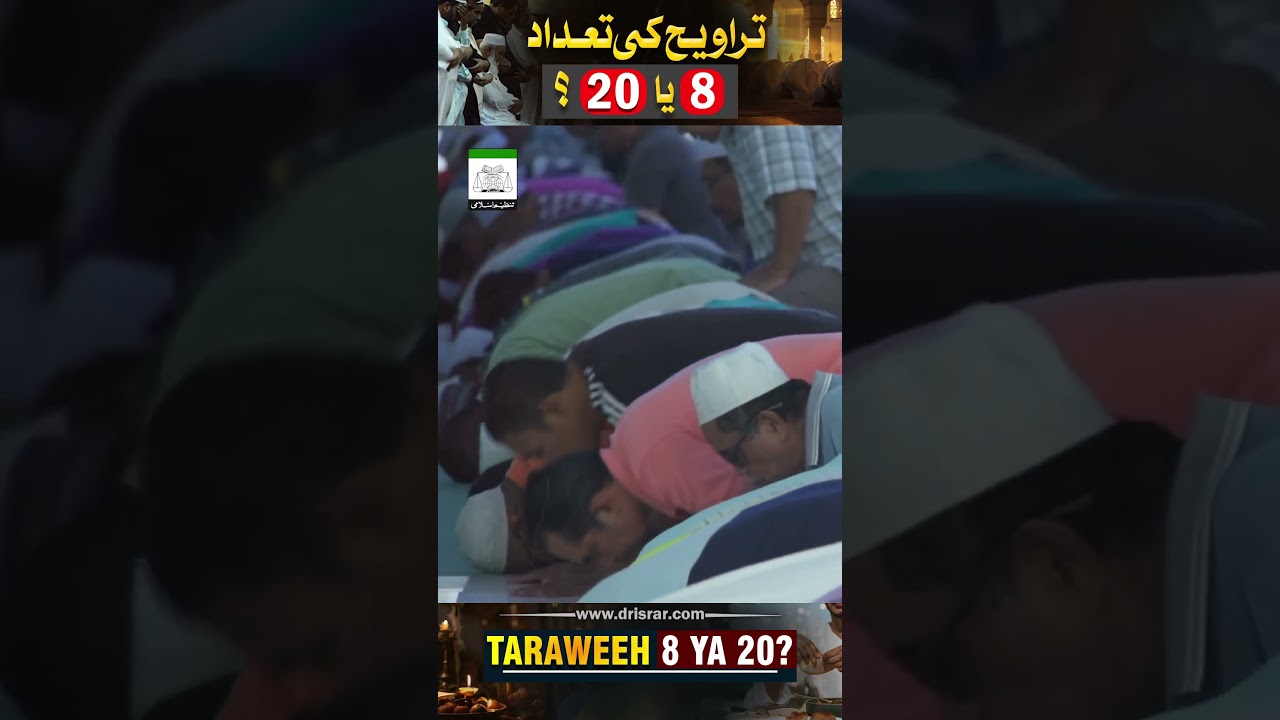
This lecture details the historical development of Taraweeh prayers. Initially, the Prophet Muhammad (peace be upon him) led the congregation for only three nights, praying eight rak'ahs and combining it with Tahajjud. The practice of twenty rak'ahs connected to Isha prayer originated during the Caliphate of Umar ibn al-Khattab, an innovation aimed at unifying diverse congregations. While some, like the Ahl-e-Hadith, maintain the original eight rak'ahs, the majority of Sunni schools (Hanafi, Maliki, Shafi'i, Hanbali) follow Umar's practice, citing the principle of adhering to the traditions of the Prophet and the rightly guided Caliphs. This practice is also observed in the Haramain Sharifain. The lecture clarifies the historical context and differing viewpoints surrounding Taraweeh.
130
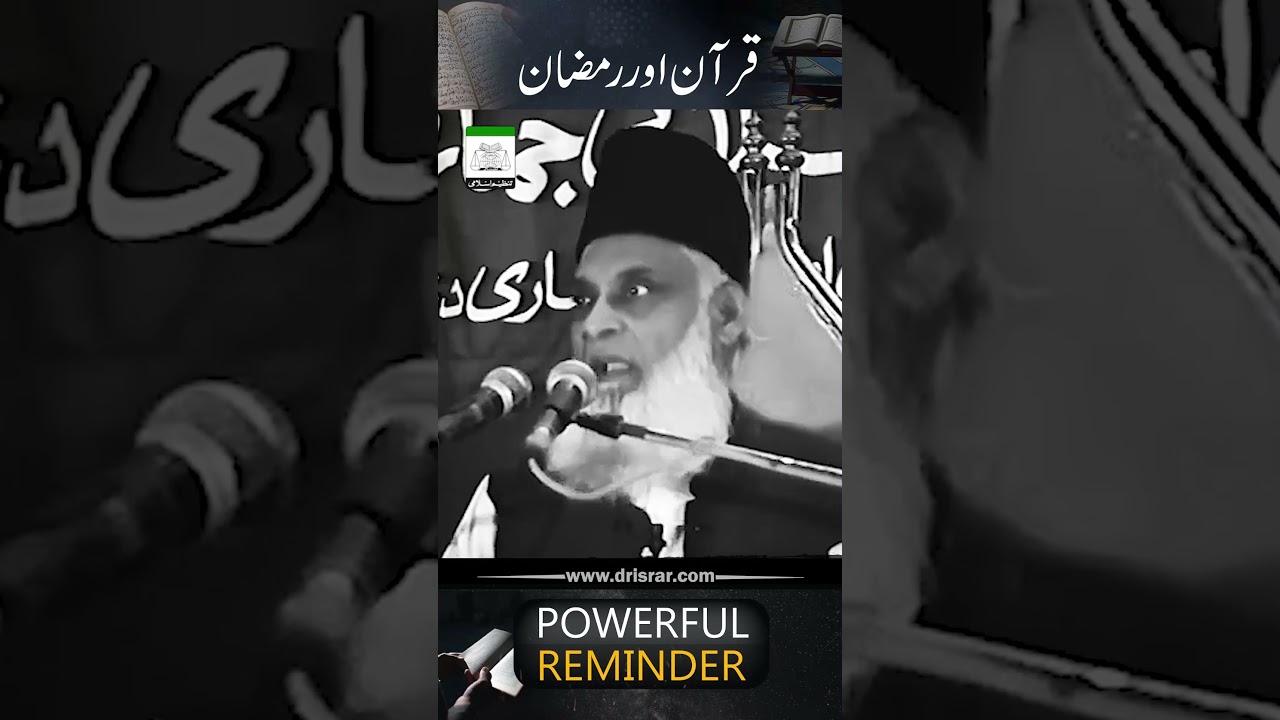
This lecture emphasizes the importance of reciting the Quran correctly and consistently, both day and night, and actively sharing its message with others. The speaker urges listeners to disseminate knowledge of the Quran to the best of their ability, ensuring no one is deprived of its guidance. Every individual is encouraged to teach what they’ve learned, recite what they’ve memorized, and explain what they understand, transforming this into a widespread movement dedicated to returning to the Quran. This is a call to prioritize and propagate the teachings of the Quran in all aspects of life.
60
