Calção
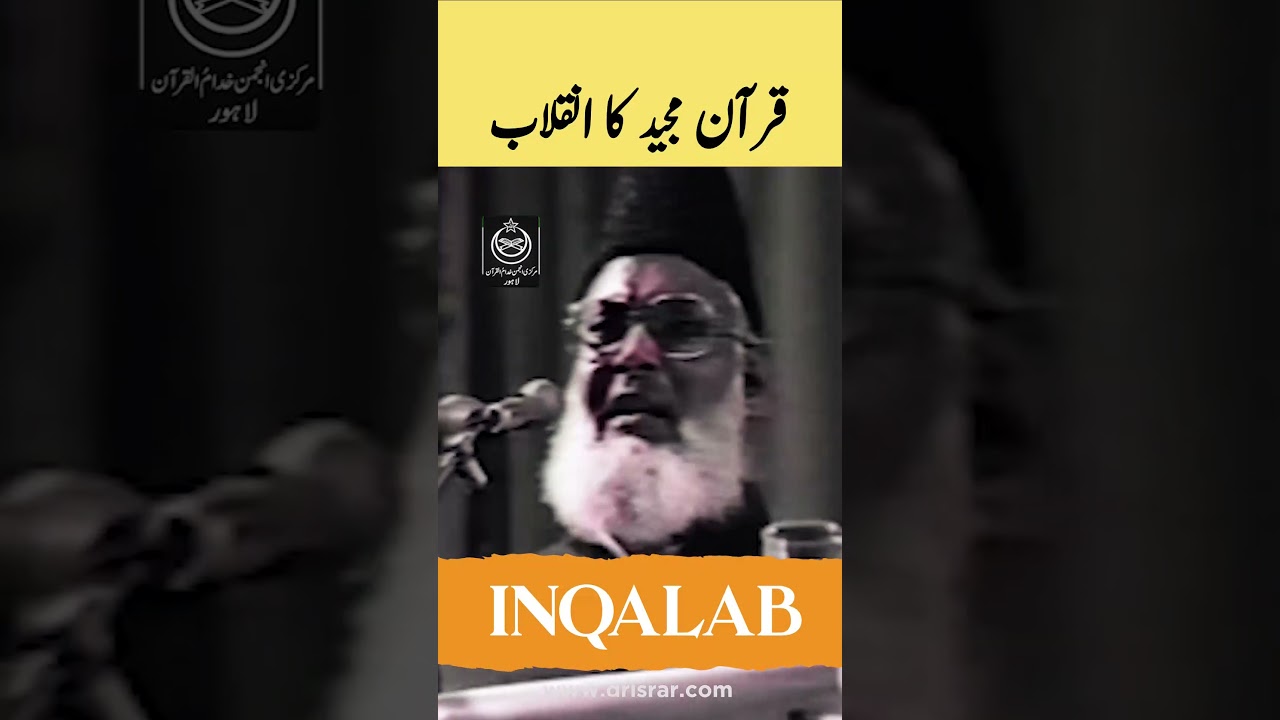
Death is not an end, but a pause in life, a transition to what comes next. This lecture explores the revolutionary impact of faith on the companions of the Prophet Muhammad, peace be upon him. They were dedicated, committed seekers of the afterlife, lovers of God, and devoted to the Prophet. For them, the Prophet’s gesture was a command, and they willingly sacrificed their lives, homes, and worldly possessions for the sake of their faith. This dedication birthed a revolution, and the Quran was the means by which these exceptional individuals were prepared.

76

This lecture discusses the recitation of at least three verses of the Quran in each *rak'ah* (prayer cycle) after Surah al-Fatiha, based on the practice and guidance of the Prophet Muhammad (peace be upon him). It highlights that the Quran itself is structured in sections of at least three verses. The lecture specifically references Surah al-Kausar and Surah al-Asr as examples of Quranic sections containing exactly three verses, emphasizing their significance. The speaker explains that this practice ensures complete engagement with the Quran during prayer, aligning with the prophetic tradition.
59

This lecture discusses a crucial inner assessment. One side of a metaphorical scale holds love for eight worldly things: father, son, siblings, spouse, relatives, wealth, skills, and home. The other side holds love for God, the Prophet, and striving in His path. True faith requires that the latter outweigh the former. Until this balance is achieved, one remains susceptible to worldly desires and divine guidance is withheld. Every individual must establish this internal scale to evaluate their spiritual state and prioritize devotion over material attachments. It emphasizes the importance of sincere faith and prioritizing spiritual values to attain divine guidance and success.
64
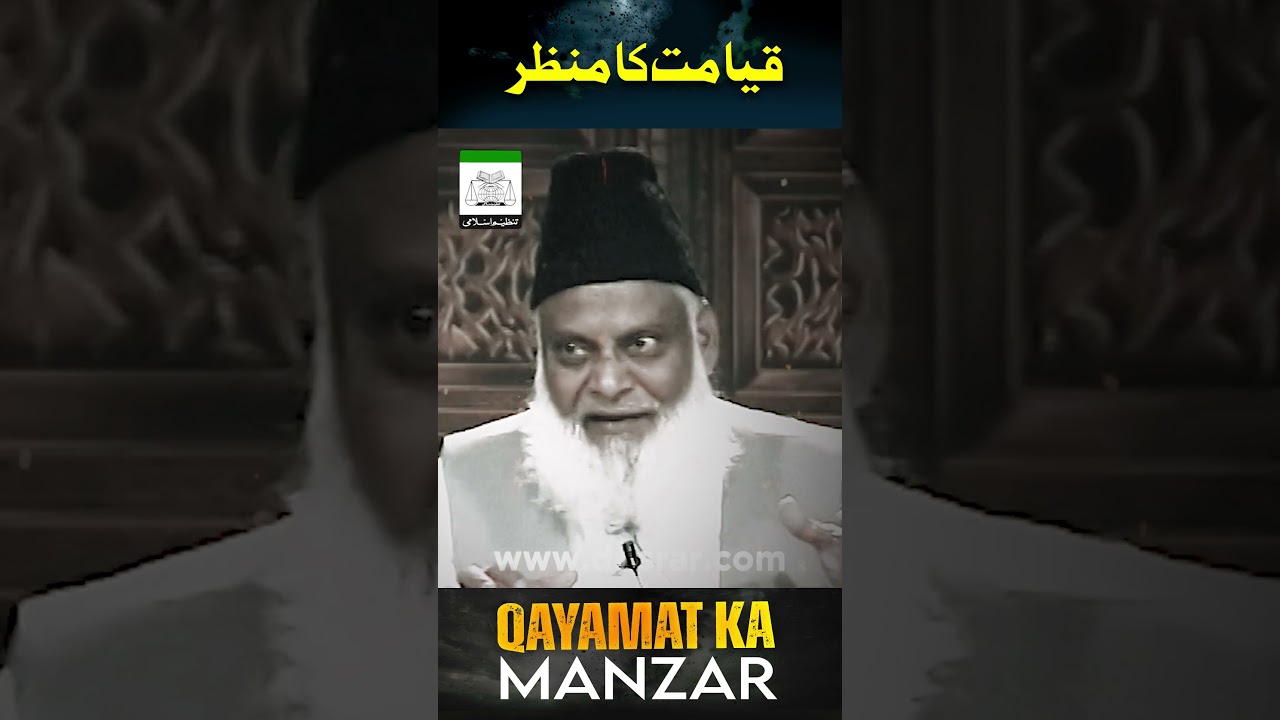
This excerpt details the catastrophic events preceding and occurring on the Day of Judgement. It describes the dimming of vision, the extinguishing of the moon, the merging of the sun and moon, and the resulting panic and desperation of humanity. People will search for any refuge, but find none. The verse emphasizes ultimate accountability before God, where every deed—past and future—will be revealed. It highlights that on that day, humanity will be made to realize the consequences of their actions and be held accountable for everything they have done.
94
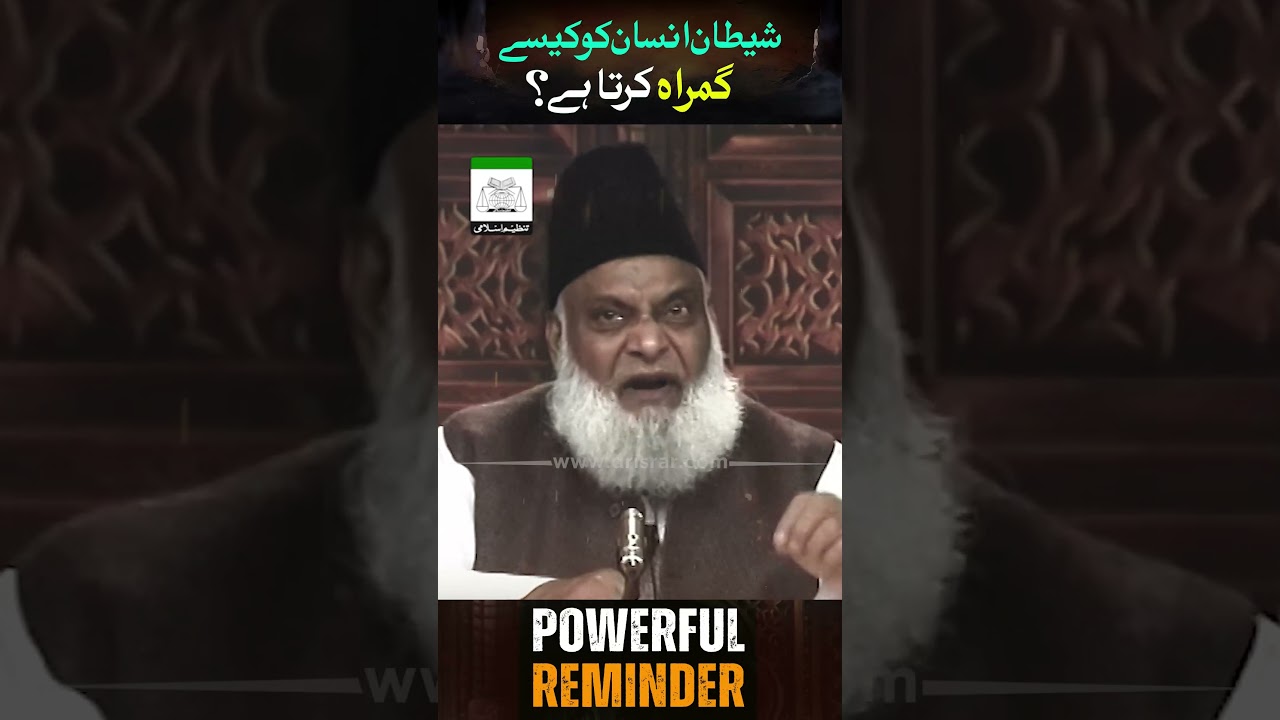
The verse from Surah Ma'idah highlights Satan’s primary tactic: sowing discord and animosity between people. This disruption extends to fracturing familial and marital bonds, leading to the disintegration of entire social structures. A hadith recounts Satan praising a demon for successfully creating strife between a husband and wife, recognizing its devastating impact on the family unit and, consequently, society. The creation of enmity and discord is presented as Satan's most effective weapon against humanity and its social cohesion.
77

True prayer transcends ritual; it’s a direct communion with God, achieving a spiritual ascent akin to *mi'raj*. This lecture emphasizes that the essence of prayer lies in a conscious awareness of God’s presence and heartfelt submission. Without this spiritual awakening, even diligent performance of obligatory prayers remains incomplete. The speaker stresses that a dormant or ‘dead’ soul cannot experience this profound connection. Reviving the soul is crucial to unlock the true potential of prayer and achieve a state of direct communication with the Divine.
60
