Shorts
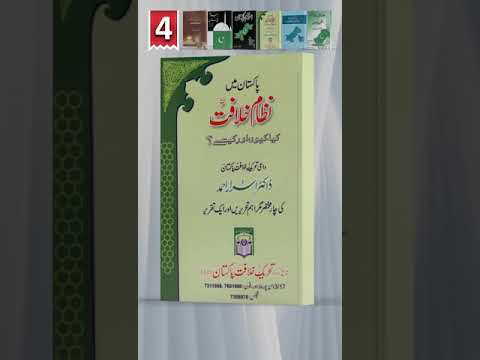
This collection of lectures by Dr. Israr Ahmad addresses critical questions about Pakistan’s history, ideology, and future. Topics include the legacy of the founder of Tanzeem-e-Islami, the viability of a caliphate system, the historical and political context of Islam in Pakistan, the factors contributing to Pakistan’s instability, and the reality of the Pakistan Ideology. The set also features Dr. Ahmad's analysis of Pakistan's political landscape from 1977 to 1987. Available for ₨1200 (originally ₨1900) from Maktaba Khuddam-ul-Quran, Lahore. Home delivery is free with cash on delivery. Order online at www.maktaba.com.pk or WhatsApp at 0301-1115348.

56
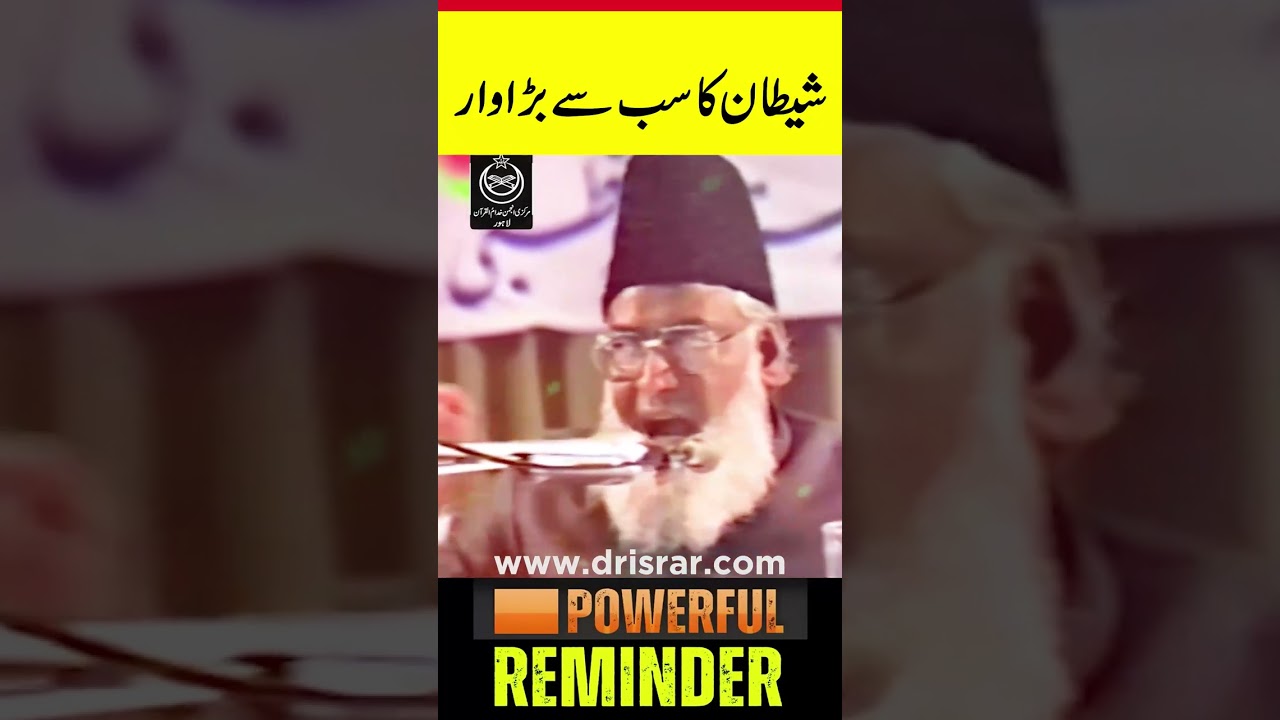
This lecture details the deceptive nature of Satan, explaining how he operates beyond human perception. It highlights that Satan’s influence extends to every aspect of human life, subtly impacting thoughts and actions. The discussion emphasizes that Satan doesn’t require effort to maintain his influence; his work progresses autonomously. Instead, his focus is on disrupting those who actively resist his temptations, particularly those striving for spiritual growth. The lecture underscores that Satan targets vulnerable points within individuals, seeking to sever their connection with faith and righteousness, while his followers continuously work to advance his aims.
41
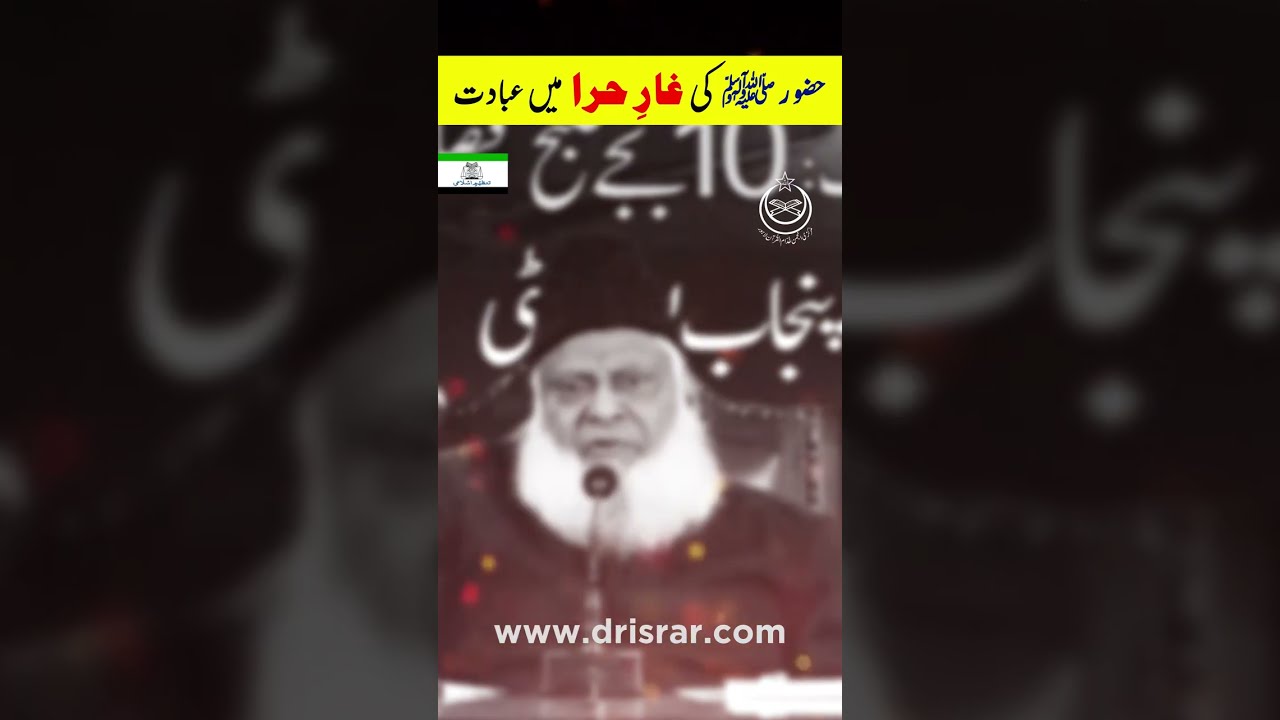
Dr. Israr Ahmad discusses the profound period Prophet Muhammad (peace be upon him) spent in the Cave of Hira. He highlights the intense contemplation and spiritual journey undertaken by the Prophet before receiving revelation. The lecture details the Prophet’s questioning of existing beliefs, his rejection of idolatry prevalent in his time, and his search for the true God. It emphasizes that this period of solitude and reflection was crucial in shaping his mission and preparing him for prophethood. The discussion also touches upon the Prophet's inherent inclination towards monotheism and his rejection of the worship practices of Jews and Christians.
87
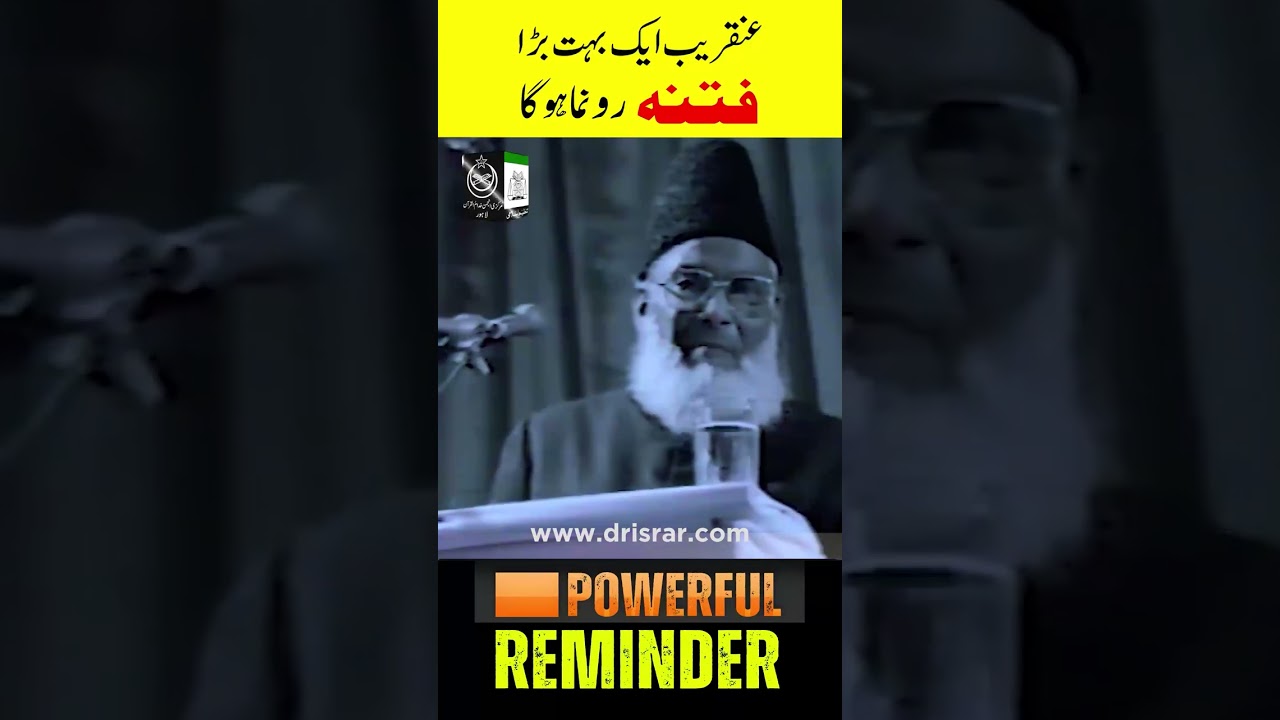
This lecture discusses the inevitability of trials and tribulations, referencing a prophetic warning about a significant upcoming trial. Hazrat Ali inquired about the means of escape during this trial, prioritizing practical solutions over seeking to understand the ‘why’ or ‘how’ of its occurrence. The Prophet Muhammad (peace be upon him) responded that the Quran is the path to safety and deliverance during times of hardship. The focus is on proactive preparation and seeking refuge in divine guidance rather than solely analyzing the nature of the trial itself.
48
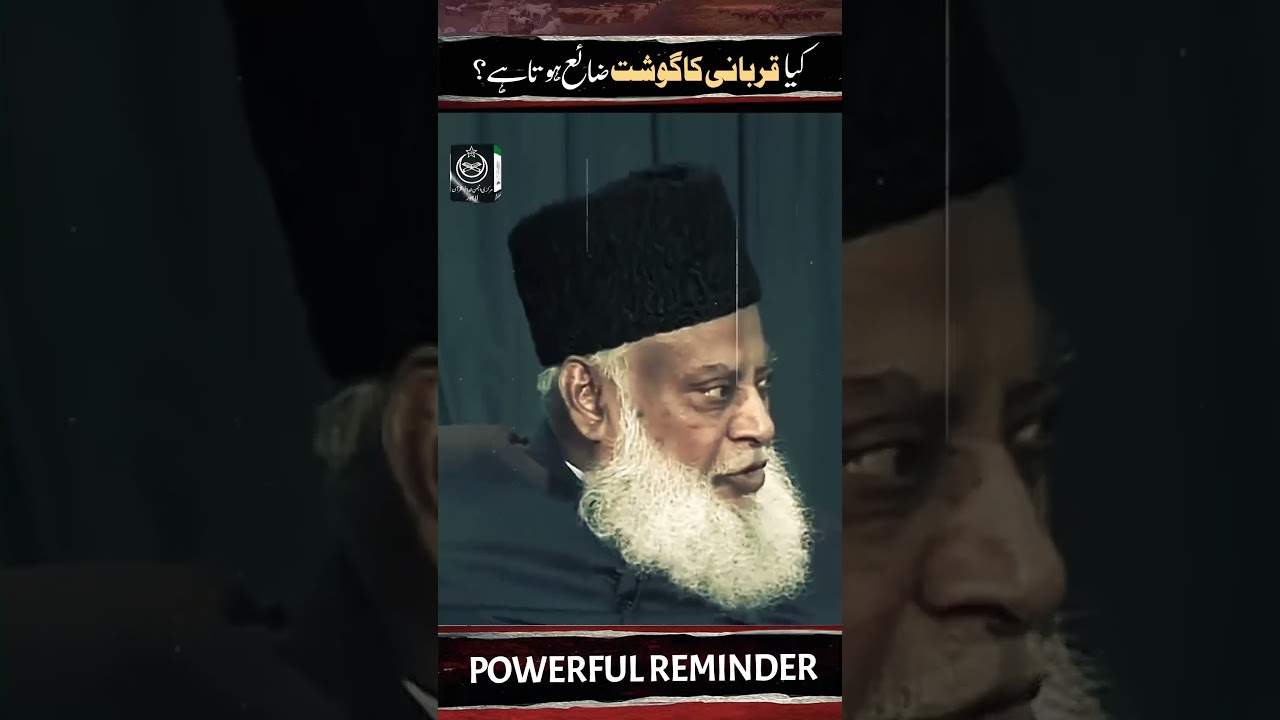
This lecture discusses the historical and economic benefits of sacrificial meat (Qurbani) in a specific region. It highlights how, traditionally, communities utilized every part of the animal, ensuring no waste. The speaker details how this practice provided a livelihood for local herders and a year-round meat supply for residents. The lecture contrasts this sustainable system with modern practices and argues against claims of wastefulness, emphasizing the economic support Qurbani provided to the community. It describes a time when communities thrived due to the efficient use of resources from the sacrificial animals, providing economic stability for local residents and herders. The lecture points out that Qurbani was not merely a religious ritual but a crucial element of the local economy.
89
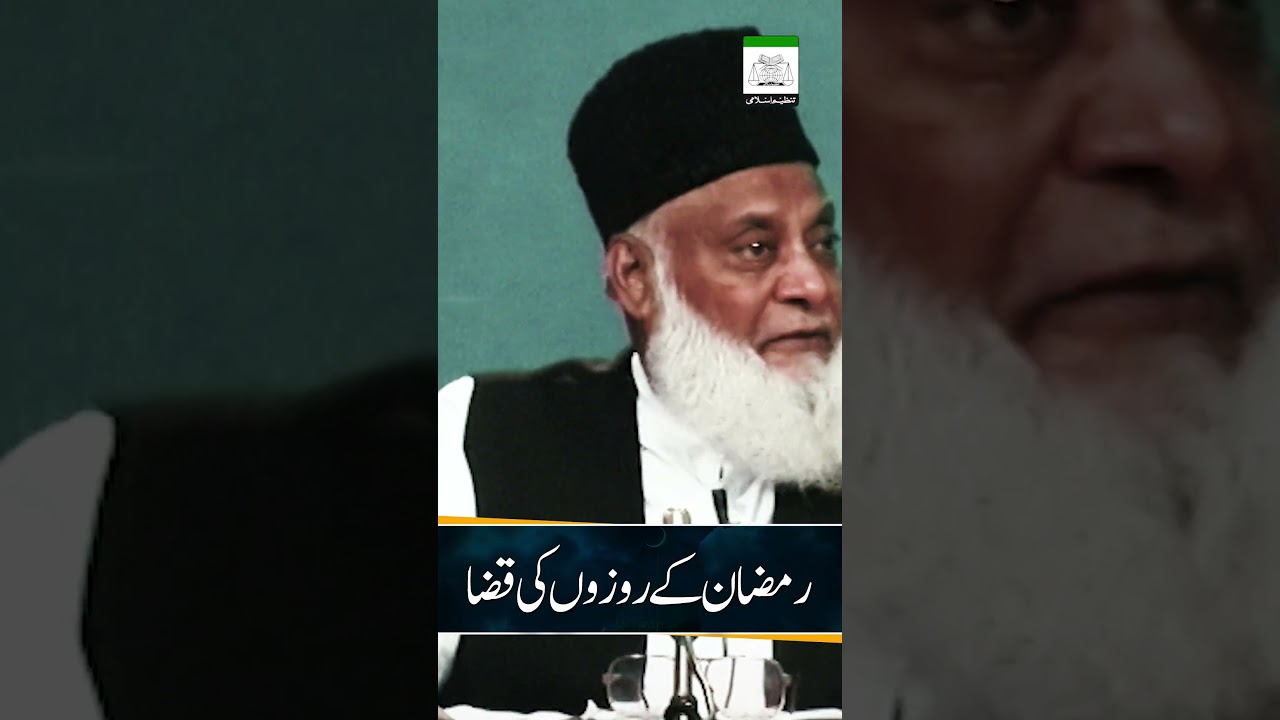
This lecture clarifies the rulings regarding making up missed fasts (qaza) and paying compensation (fidyah) during Ramadan. It explains that while the apparent command of fidyah seems rescinded, the Prophet Muhammad (peace be upon him) maintained it for specific cases: those whose health would be severely endangered by fasting, such as the elderly, chronically ill, or those with no hope of recovery. Healthy individuals capable of fasting are obligated to make up missed fasts. The lecture details who is exempt and when fidyah is permissible, emphasizing the importance of fulfilling religious obligations when physically able.
35
