Korte broek
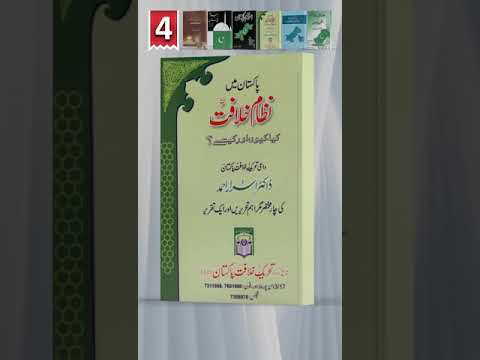
This collection of lectures by Dr. Israr Ahmad addresses critical questions about Pakistan’s history, ideology, and future. Topics include the legacy of the founder of Tanzeem-e-Islami, the viability of a caliphate system, the historical and political context of Islam in Pakistan, the factors contributing to Pakistan’s instability, and the reality of the Pakistan Ideology. The set also features Dr. Ahmad's analysis of Pakistan's political landscape from 1977 to 1987. Available for ₨1200 (originally ₨1900) from Maktaba Khuddam-ul-Quran, Lahore. Home delivery is free with cash on delivery. Order online at www.maktaba.com.pk or WhatsApp at 0301-1115348.

56
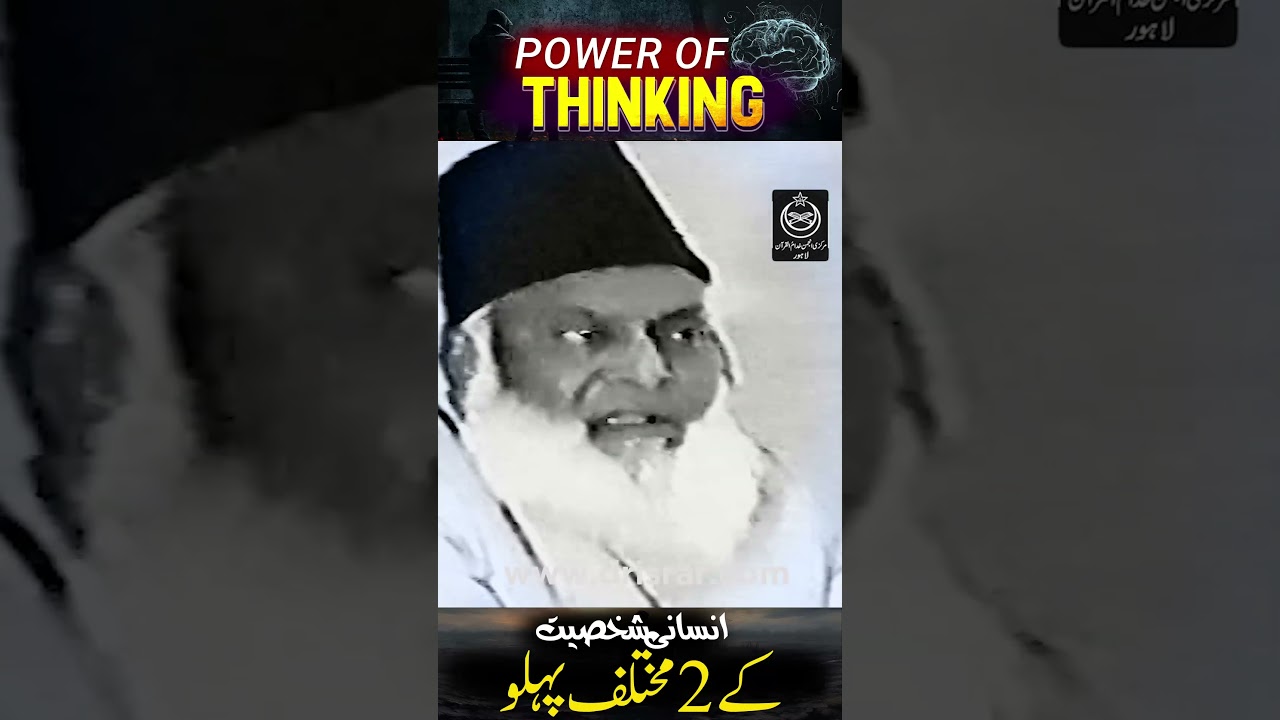
Human personality is comprised of two essential aspects: knowledge and thought, and action and character. These two are inextricably linked; a person’s beliefs and ideas manifest in their actions, ethics, and dealings. Correct action stems from sound thinking; flawed foundations lead to flawed outcomes. Limited thought results in limited action and character. A skewed initial approach inevitably leads to a distorted final result.
36
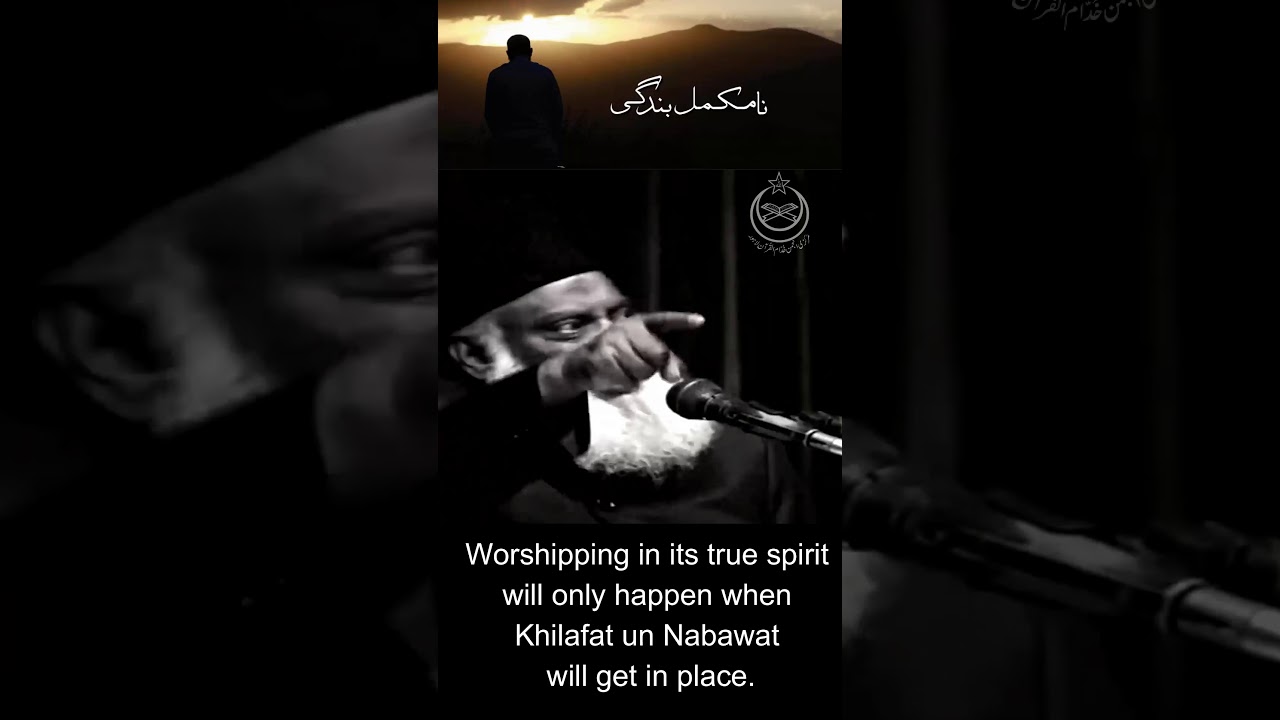
This lecture emphasizes that complete devotion to God requires the establishment of a caliphal system mirroring the Prophetic methodology. Without it, adherence to divine law is incomplete. The speaker highlights the necessity of implementing all of God’s commands, including legal penalties, to achieve true worship. Current selective obedience, mixing divine and man-made laws, constitutes *shirk* (associating partners with God). Complete worship and obedience will only be realized with the restoration of a rightly guided caliphate, ensuring exclusive devotion to God.
175
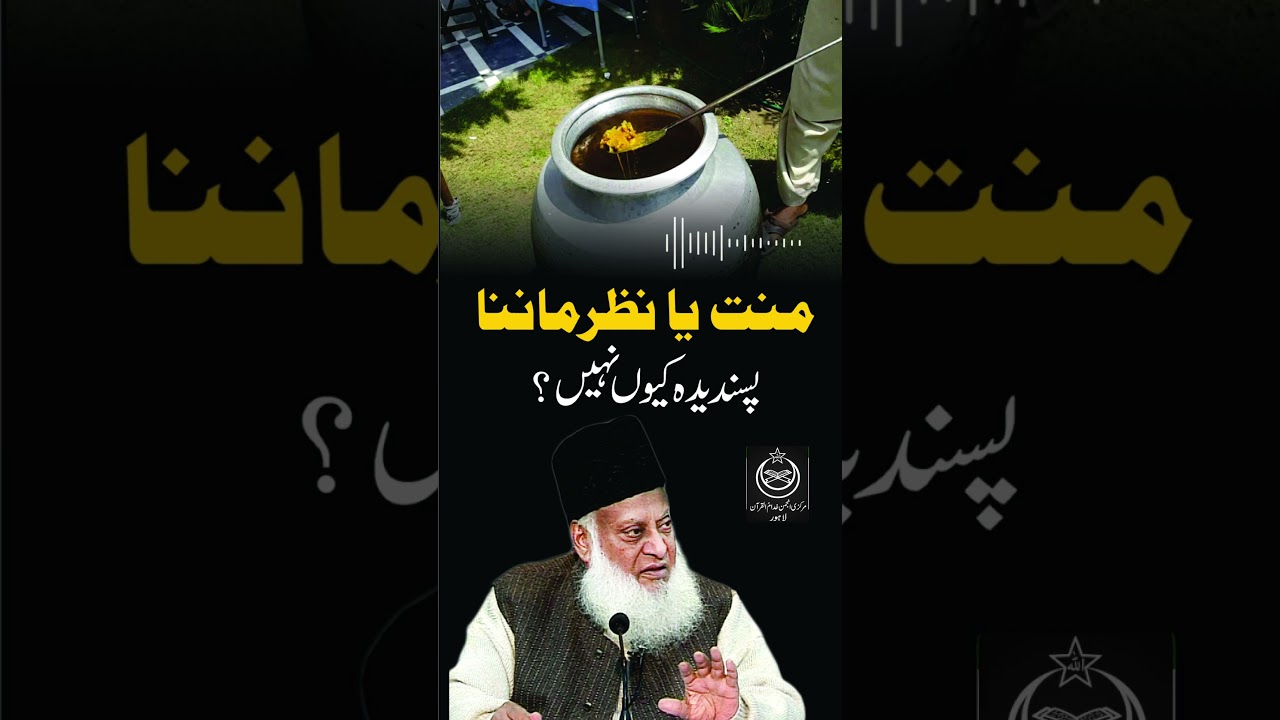
Dr. Israr Ahmad discusses the permissibility and desirability of gazing, clarifying that while not forbidden, it is personally discouraged. He explains that his disapproval doesn't obstruct legitimate interactions. He cites a divine decree stating that once Allah’s judgment concerning someone is established through observation, it remains unchanged, though He may draw sustenance from the miser's wealth to aid the needy. This decree effectively supersedes any further deliberation on the matter.
64
This lecture clarifies the distinction between faith (iman) and submission (islam), highlighting a prevalent issue where people adopt the rituals of Islam without genuine belief in their hearts. Dr. Israr Ahmad explains that merely declaring faith or belonging to a Muslim family does not equate to true iman. He emphasizes the importance of conscious, thoughtful acceptance of faith, warning against selective obedience to religious commandments. The speaker discusses the Quranic verses regarding hypocrites who profess Islam outwardly but lack inner conviction. True faith, he argues, necessitates complete surrender to Allah and His Messenger, and a sincere commitment to all divine teachings. Allah rewards sincere obedience even amidst imperfection, but selective adherence invites His displeasure. Ultimately, Dr. Israr Ahmad urges introspection and a conscious striving for genuine iman, not merely inherited or ritualistic Islam.
82
This lecture clarifies that Allah accepts the repentance of those who commit errors due to ignorance or emotional impulse, provided they sincerely turn back to Him immediately. The verse from Surah An-Nisa emphasizes that Allah’s acceptance of repentance is guaranteed for those who act out of unawareness but promptly seek forgiveness. This highlights the boundless mercy of Allah and the importance of immediate repentance after a mistake.
54
