Shorts
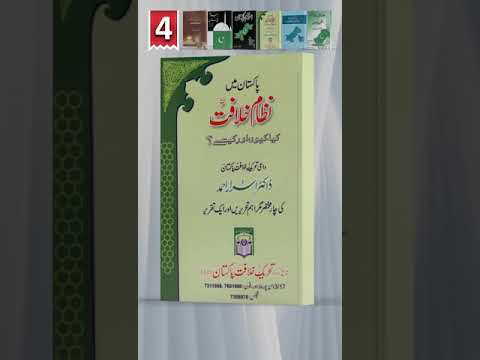
This collection of lectures by Dr. Israr Ahmad addresses critical questions about Pakistan’s history, ideology, and future. Topics include the legacy of the founder of Tanzeem-e-Islami, the viability of a caliphate system, the historical and political context of Islam in Pakistan, the factors contributing to Pakistan’s instability, and the reality of the Pakistan Ideology. The set also features Dr. Ahmad's analysis of Pakistan's political landscape from 1977 to 1987. Available for ₨1200 (originally ₨1900) from Maktaba Khuddam-ul-Quran, Lahore. Home delivery is free with cash on delivery. Order online at www.maktaba.com.pk or WhatsApp at 0301-1115348.

56
The lecture discusses the practice of adorning sacrificial animals with silk cloths and parading them, deeming it a display of wealth rather than a spiritually meaningful act. True sacrifice, it emphasizes, should stem from inner piety and submission to God. The speaker highlights that genuine devotion lies in humility and sincere worship, referencing the verse encouraging the Prophet to give glad tidings to those who are humble before God. The focus is on the internal state of the worshiper, not outward show.
50
This excerpt emphasizes the importance of patience (sabr) and prayer (namaz) in facing life’s hardships. It instructs believers to seek help through these means, assuring them that God is with those who persevere. The message specifically addresses the Prophet, instructing him to deliver glad tidings to the patient—those who, when afflicted with adversity, respond by acknowledging their origin and ultimate return to God. It highlights a complete reliance on God during times of difficulty and emphasizes acceptance of divine decree.
58
Human life is a constant series of choices. At every moment, individuals face a crossroads, deciding between worldly gain and divine guidance. This perpetual decision-making process defines our values and priorities. Each step involves prioritizing some things over others, a continuous evaluation of what we hold most dear. The choice between immediate profit and long-term spiritual well-being, between embracing corruption or adhering to ethical principles, shapes our destiny. This lecture explores the fundamental nature of these choices and their impact on our lives.
57
This lecture details three categories of people whose prayers are not accepted by God. These include a man who remains with a wife of bad character but refuses divorce, an individual who entrusts wealth to a foolish person despite divine prohibition, and a person who has a debt outstanding but did not establish proper witnesses. God will not answer the prayers of such individuals.
46
This lecture emphasizes the importance of humility and righteous actions as essential components of faith. True believers do not boast or consider themselves superior. Instead, they recognize themselves as part of the larger Muslim community and maintain a humble disposition. Just as a fruit-laden branch bends low, those blessed with good deeds should exhibit modesty. Condescension towards others negates the impact of one's message. The speaker advocates for hating sin, not the sinner, recognizing that individuals struggling with wrongdoing are in need of compassion and treatment, not condemnation. True believers show empathy and understanding towards those who err, understanding them as patients in need of care.
48
