Shorts
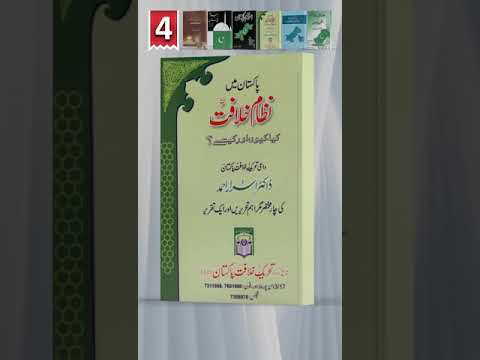
This collection of lectures by Dr. Israr Ahmad addresses critical questions about Pakistan’s history, ideology, and future. Topics include the legacy of the founder of Tanzeem-e-Islami, the viability of a caliphate system, the historical and political context of Islam in Pakistan, the factors contributing to Pakistan’s instability, and the reality of the Pakistan Ideology. The set also features Dr. Ahmad's analysis of Pakistan's political landscape from 1977 to 1987. Available for ₨1200 (originally ₨1900) from Maktaba Khuddam-ul-Quran, Lahore. Home delivery is free with cash on delivery. Order online at www.maktaba.com.pk or WhatsApp at 0301-1115348.

56
Parents deserve kindness and respect as a natural obligation for their nurturing, especially a mother’s sacrifices. However, obedience to parents does not extend to accepting commands that contradict faith or morality. While good conduct, service, and respect are essential, adherence should be to the path of righteousness, not blind obedience. The core principle is honoring parents while remaining steadfast in one’s faith and ethical principles. True respect lies in guiding them towards the right path, not following them into wrongdoing.
55
This lecture explores the distinction between inherited faith and consciously accepted belief. The speaker argues many identify as Muslim due to birth rather than a personal, conscious decision and realization of faith. True Islam, it is asserted, requires *yaqeen* – a deep, experiential certainty – not merely adherence to dogma or inherited creed. This conviction, akin to the spiritual realization described by Allama Iqbal, is essential for meaningful practice and spiritual growth. Without this inner certainty, religious observance remains superficial.
55
This lecture explores the principle of sincere intention in faith and its direct correlation with receiving divine assistance. It explains that genuine help from God is contingent upon a pure heart and a truthful relationship with Him. The speaker emphasizes that self-deception and hypocrisy prevent one from experiencing God’s support, while sincerity fosters trust and assurance. A sincere devotee believes in God’s unwavering companionship, mirroring the loyalty found in virtuous human relationships. Ultimately, it highlights that God will fulfill the needs of those who approach Him with honesty and a pure heart.
68
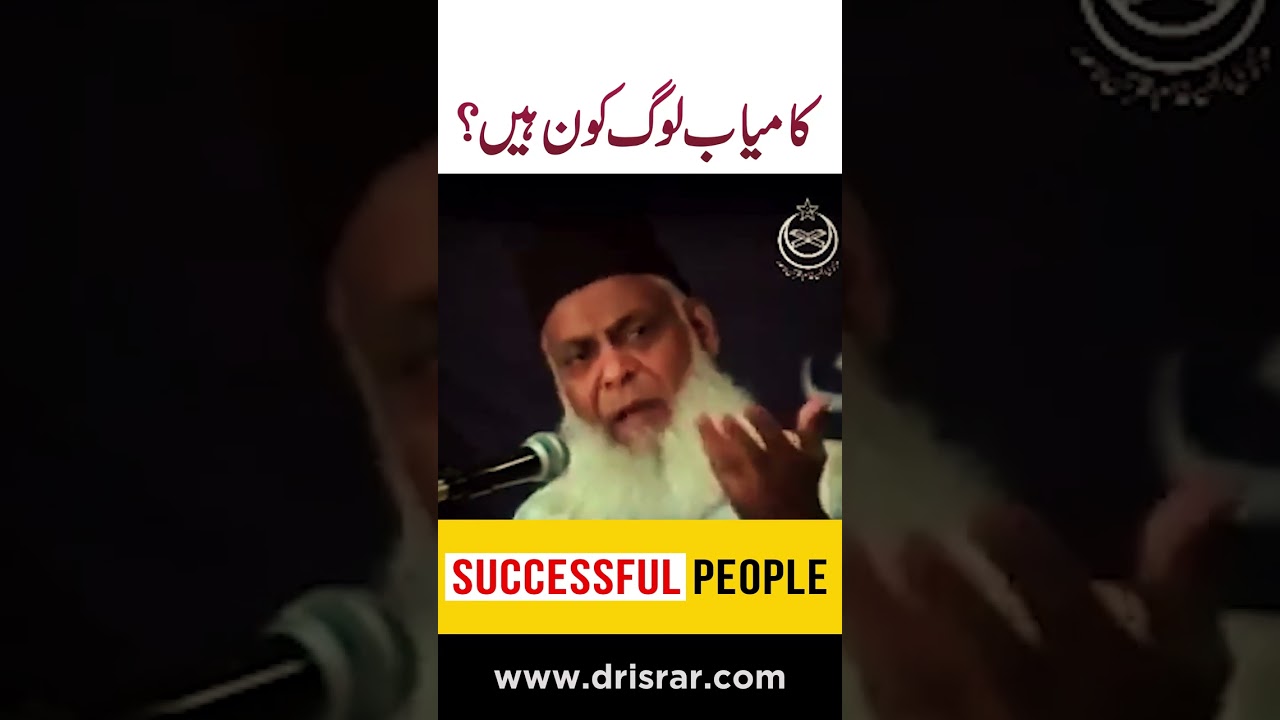
This lecture explores the historical context of the Prophet Muhammad’s era, emphasizing that the triumph of Islam was not merely a historical event but a continuing process. It highlights the sacrifices made by those who strove to establish the principles of Islam, contrasting their success with the misfortune of those who remained indifferent. The speaker asserts that the fulfillment of the Prophet's mission will continue, even if not by the current generation, as it is a divine decree. The lecture stresses the importance of dedicating oneself to this purpose, recognizing it as the path to true success in this life and the hereafter.
93
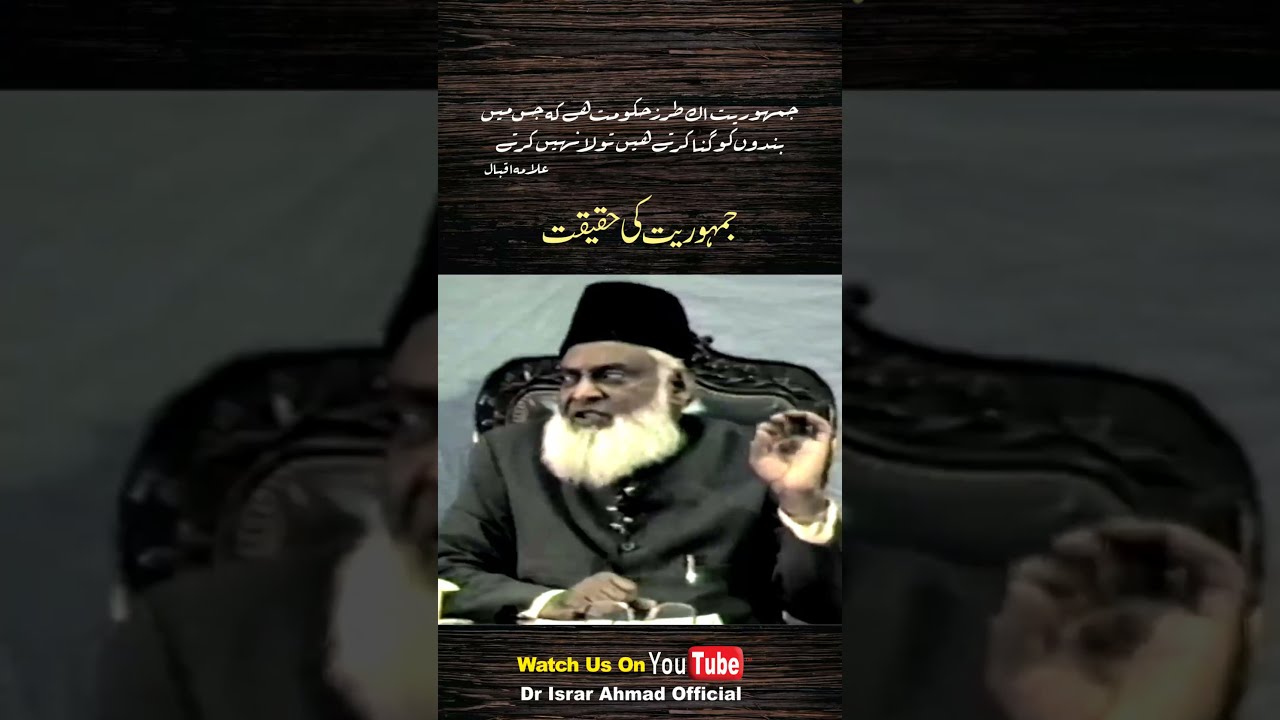
This lecture analyzes the concept of democracy, arguing that current systems, particularly in America, are not true representations of popular will but rather disguised forms of dictatorship controlled by capital. The speaker contends that true democracy can only exist when economic justice is established, allowing citizens to make informed decisions free from the influence of wealth. The current electoral process is likened to a mere formality, a ‘slip’ of paper in the hands of the common man, manipulated by powerful financial interests. The lecture emphasizes that genuine democracy requires equitable economic opportunities for all citizens, empowering them to exercise their political agency meaningfully.
62
