Pantalones cortos
Dr. Israr Ahmad discusses the Islamic ruling on property dealers charging fees from both the buyer and seller, or from both landlord and tenant. He asserts that taking fees from both sides is *haram* (forbidden). The dealer should only take a commission from one party to incentivize securing the best possible deal for that client, whether a lower rental price or a better sale price. This approach ensures fairness and ethical conduct in property transactions.

83
This lecture explores the qualities of a truly righteous individual: one who actively invites others to God, consistently performs good deeds, and sincerely identifies as a Muslim striving for obedience. The speaker emphasizes humility, acknowledging personal fallibility and the importance of repentance. A virtuous person isn't defined by claims of piety or perfection, but by a consistent return to God after mistakes. The core message is that genuine faith involves both action and sincere self-assessment.
97
This lecture discusses the concept of *shirk-e-khafi* (subtle idolatry), which is more insidious than overt *shirk*. It explains how actions performed to gain the approval of others, even during religious practices like prayer, constitute a form of hidden idolatry. The speaker illustrates this with an example of prolonging prostration in prayer when observed by others, intending to display piety rather than solely seeking God’s pleasure. Recognizing *shirk-e-khafi* is presented as extremely difficult, akin to spotting a black ant on a black stone in the darkness. The lecture emphasizes that this is a matter of the heart and requires careful self-reflection.
98
This lecture explores the etymological roots of the word 'Sabr' (patience) in Arabic and its connection to bitter substances historically used for medicinal purposes, specifically blood purification. The speaker details how the act of enduring bitterness—like consuming aloe vera or sour fruits—parallels the internal fortitude required to practice patience. The discussion extends to ancient practices of using aloe vera to preserve bodies, drawing a metaphorical link to its function in ‘cleansing’ and halting decay, mirroring the way patience preserves the soul. The core argument posits that the very essence of patience originates from the ability to withstand hardship and unpleasantness.
60
This lecture critiques the hypocrisy prevalent within religious observance, highlighting a focus on outward rituals while neglecting inner spirituality. It emphasizes the dangers of superficial adherence to faith, comparing it to beautifully decorated tombs concealing decay within. The speaker argues that genuine faith requires a connection to the divine, not merely outward displays of piety. The discussion extends to contemporary issues of materialism, corruption, and the loss of spiritual values, drawing parallels between past and present societal failings. The lecture underscores the importance of cultivating a sincere relationship with God and striving for inner transformation.
61
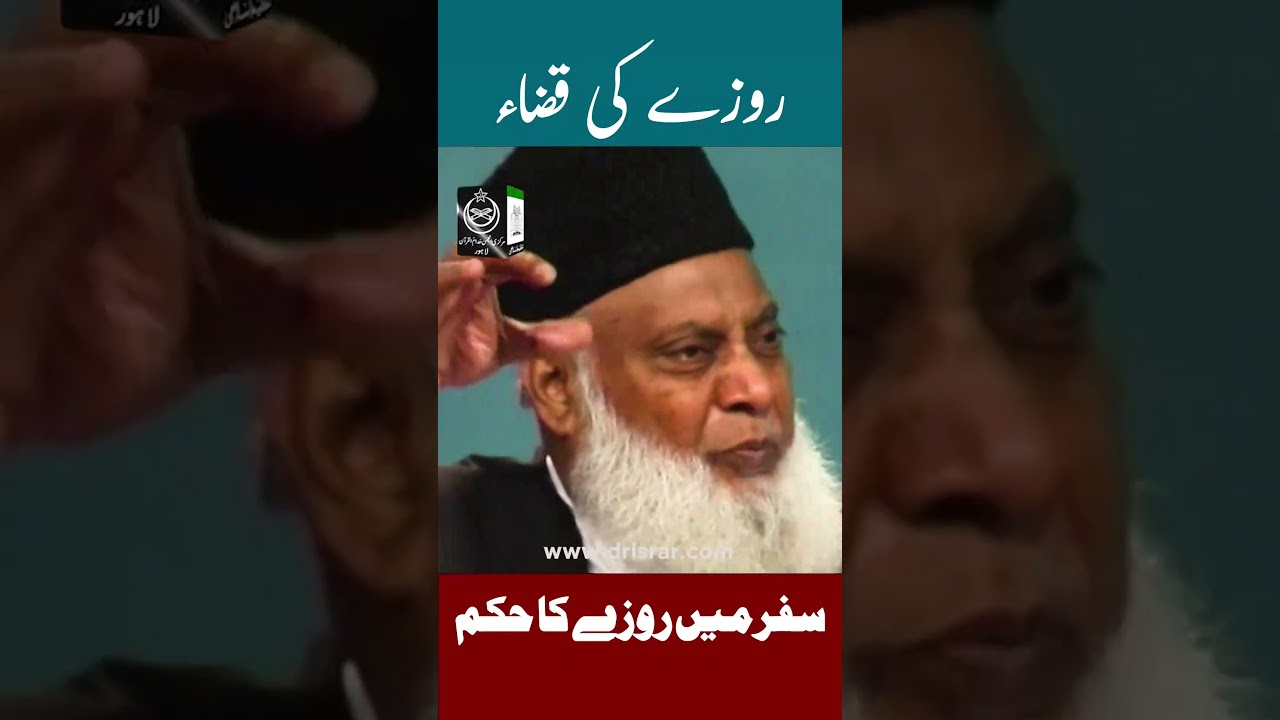
This lecture discusses the Islamic principle of prioritizing ease and avoiding unnecessary hardship, particularly concerning fasting during illness or travel. It highlights an incident during a military expedition where some individuals, despite being weakened, insisted on fasting, causing them to collapse. The Prophet Muhammad (peace be upon him) observed this and discouraged fasting in such circumstances, emphasizing that Islam aims to facilitate, not burden, its followers. The core message is that self-inflicted hardship is not a virtue but a misunderstanding of religious principles, and that the purpose of religious teachings is to promote ease and well-being.
67
