निकर
The text emphasizes that true life resides in the afterlife, not the material world. It critiques a materialistic focus, stating that people are lost in the pursuit of worldly possessions, mistakenly believing they are achieving something substantial. This pursuit leads to being lost in matter and consumed by materialism, exhausting all efforts within a limited scope. The core message is a rejection of prioritizing worldly gain over spiritual fulfillment and preparation for the afterlife.

40
Some scholars believe eleven rakats are permissible for the Isha prayer, while others consider three. This lecture explores the varying opinions on this matter, noting that differences in practice among various schools of thought are acceptable. The speaker affirms their adherence to the practice of offering three rakats.
65
Dr. Israr Ahmad discusses the enigmatic figure of Zul-Qarnain mentioned in the Quran. He explores the possibility that Zul-Qarnain may be connected to the historical figure of Gautama Buddha, noting the lack of detailed information about Zul-Qarnain in both the Quran and Hadith. He suggests a link based on geographical references within Surah Al-Kahf and the story of a prince from Kapilavastu. Dr. Ahmad acknowledges the potential for later interpretations and additions to Buddha’s teachings, similar to those surrounding Jesus Christ, while also pointing out a possible consistency between the core principles of all prophets of God. He emphasizes the need for critical analysis and understanding of historical and religious figures.
59
The Prophet Muhammad (peace be upon him) once asked his companions about bankruptcy. They defined it as a lack of wealth. The Prophet corrected them, stating the true bankrupt in his nation will be the one who comes with a large number of prayers, fasts, and pilgrimages, but also with the burdens of having wronged others – having insulted someone, unjustly taken their wealth, or falsely accused them. On the Day of Judgment, these wronged individuals will present their claims, depleting the bankrupt’s good deeds. If the deeds are insufficient, their sins will be transferred to them, leading to their destruction in Hell. This is the true meaning of bankruptcy – a spiritual and moral deficiency.
50
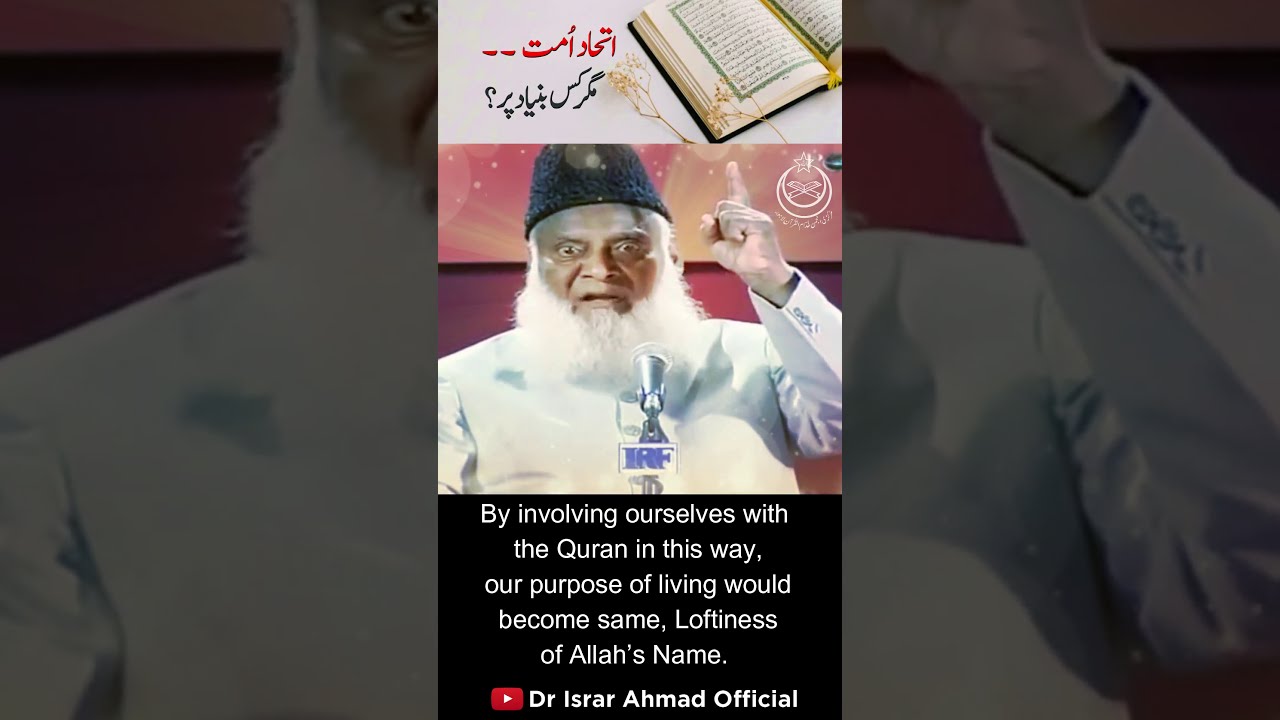
True unity within the Muslim community requires more than just superficial calls for togetherness. It necessitates a fundamental alignment of thought, ideology, objectives, and methodology. Mere gatherings, like a herd of animals, are insufficient. The Quran serves as the sole unifying force, fostering intellectual and ideological harmony not merely through recitation, but through comprehension and mindful study. When individuals share a common purpose – the elevation of the word of God – they truly become a community. This shared objective is the foundation for genuine unity.
72
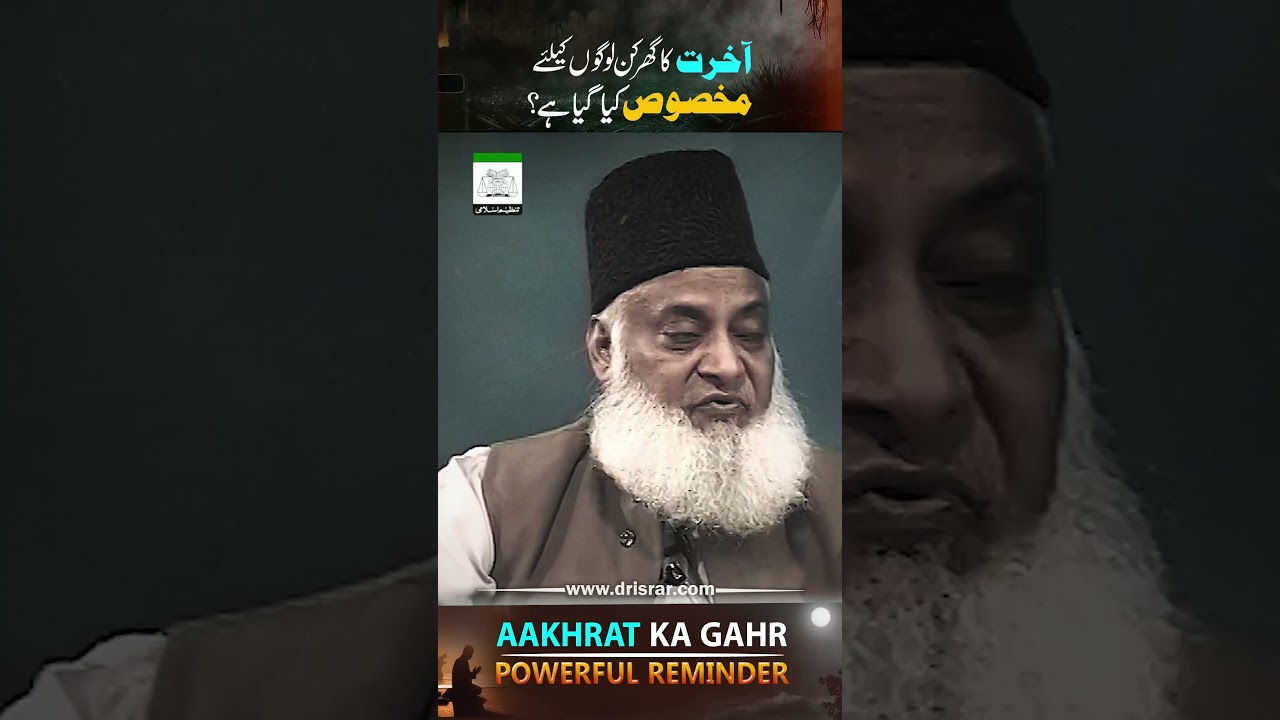
This lecture clarifies that the ultimate abode, the Hereafter, is reserved for those who abstain from seeking power, dominance, or causing corruption on Earth. It emphasizes that this eternal reward is specifically for the righteous—those who prioritize piety and abstain from worldly ambitions. The lecture highlights the promise of lasting peace, prosperity, and fulfillment in the Hereafter for those who live a life of devotion and righteousness, and that ultimate success and well-being are reserved for the God-conscious.
45
