Kratke hlače
The text emphasizes that true life resides in the afterlife, not the material world. It critiques a materialistic focus, stating that people are lost in the pursuit of worldly possessions, mistakenly believing they are achieving something substantial. This pursuit leads to being lost in matter and consumed by materialism, exhausting all efforts within a limited scope. The core message is a rejection of prioritizing worldly gain over spiritual fulfillment and preparation for the afterlife.

40
This lecture explores the transient and deceptive nature of worldly life, emphasizing its value as a field for cultivating rewards for the afterlife. It highlights the importance of remaining detached from worldly allurements and focusing on spiritual growth. True success lies not in accumulating worldly possessions but in preparing for the eternal realm. The speaker cautions against becoming lost in the superficialities of life, urging listeners to maintain a perspective of detachment, acting as travelers rather than settlers. Worldly life is valuable insofar as it allows one to earn provisions for the Hereafter; becoming engrossed in its distractions leads to ruin. The key to a balanced life is to engage with the world without becoming attached to it, recognizing its temporary nature and prioritizing eternal values.
67
The Quran repeatedly urges humanity to use reason and reflection. It presents a fundamental choice: to heed the wisdom of the Quran or to follow conjecture and baseless opinions. True knowledge stems from two sources: sensory perception and informed understanding. The lecture emphasizes the importance of verifying information and avoiding blind faith, urging listeners to critically evaluate claims before acceptance. It clarifies that reliance on speculation or unsubstantiated beliefs is unacceptable, as true guidance comes from validated knowledge obtained through reliable means.
47
True servants of God walk with humility on Earth. This entails a gentle gait, lowered gaze, and a modest demeanor. They avoid arrogance, forceful strides, and any display of pride. Their movement is characterized by grace, composure, and a mindful awareness of their position before God. This manner of walking reflects inner piety and a recognition of God’s blessings.
62

This lecture critiques the modern banking system, arguing it is fundamentally based on interest (riba) which constitutes a declaration of war against God and His Messenger. The speaker asserts that the claim a system cannot function without interest is an expression of disbelief in God’s knowledge and provision. It implies either God was unaware of a future where interest-free systems would be necessary, or He prohibited something essential. The argument highlights that God does not burden any soul beyond its capacity, and therefore, reliance on interest demonstrates a lack of faith in divine support and provision.
80
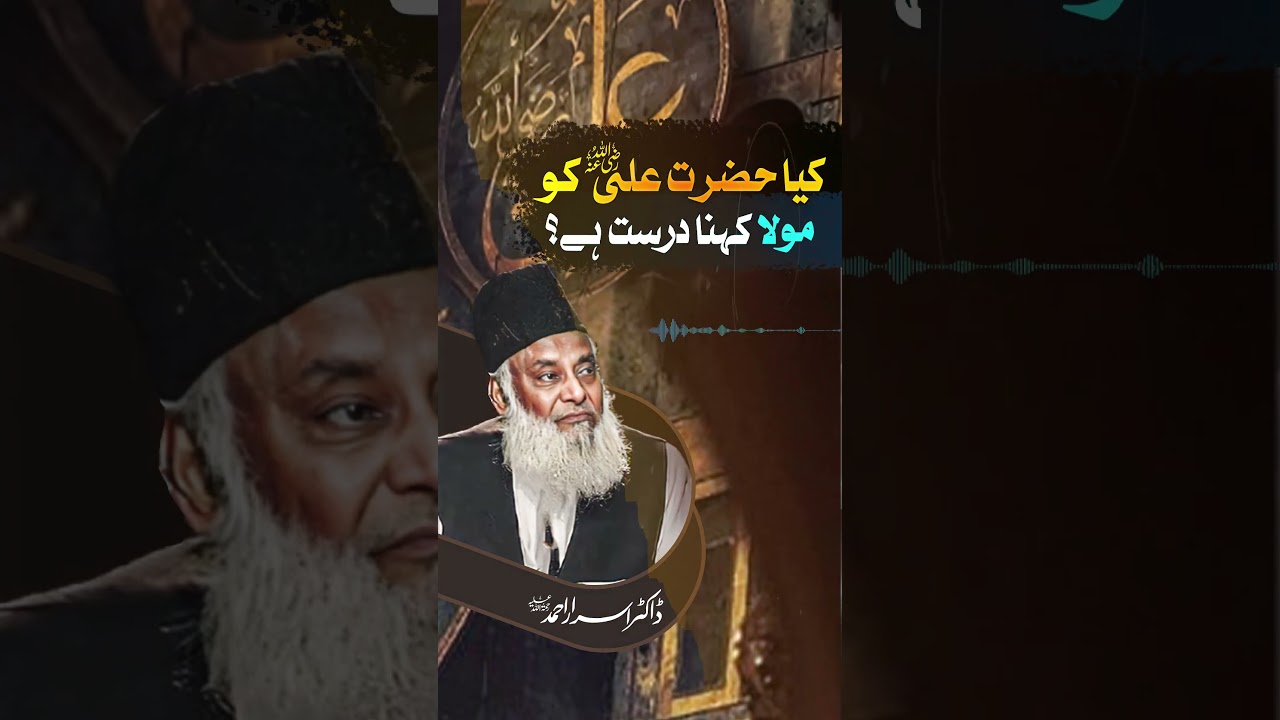
This lecture clarifies the varying interpretations of the term “Moula” (master/lord) in relation to Hazrat Ali. It explains that while using the term is not inherently problematic, some interpretations, particularly within Shia Islam, elevate Hazrat Ali to a status exceeding his role as a companion and leader. The speaker emphasizes that attributing problem-solving solely to Hazrat Ali is inaccurate, as he himself faced difficulties and unresolved conflicts during his life. The lecture cautions against exaggeration and excessive devotion, highlighting that true power and resolution reside with Allah alone. The discussion focuses on understanding the correct reverence for historical figures within an Islamic framework.
68
