Corti
The observance of fasting on the 9th and 10th of Muharram is a recommended practice, not obligatory. This practice originated when the Prophet Muhammad learned that the Jews of Medina fasted on the 10th of Muharram to commemorate their deliverance from Pharaoh. The Prophet, affirming a greater connection to Moses, instructed his companions to fast for two days – the 9th and 10th – to distinguish the Muslim practice from that of the Jews. This two-day fast signifies a deliberate divergence from the Jewish tradition, while simultaneously honoring the historical event and recognizing the importance of Moses.

63
Sometimes, jokes are tolerated among friends, but sensitivity varies. A remark accepted on one day can deeply wound someone experiencing emotional vulnerability. Words, unlike physical wounds, leave lasting scars on the heart. The proverb highlights that while a sword’s wound can heal, a wound inflicted by language does not. Emotional pain is more enduring and difficult to recover from than physical injury. This bayan discusses the profound impact of language and the importance of mindful communication.
58
Dr. Israr Ahmad discusses the true nature of revolution as exemplified by the life of the Prophet Muhammad (peace be upon him). He emphasizes that genuine change doesn’t come through mere promises or superficial reforms, but through a comprehensive process of spiritual purification (tazkiya), organization, and unwavering commitment to establishing justice. He explains that this involves a disciplined, morally upright society prepared to challenge oppressive systems and establish a just order, guided by divine principles. He highlights the historical attempts at reform and the necessity of a strong, dedicated leadership committed to implementing Islamic principles in all aspects of life. The lecture also touches on the difference between implementing Sharia at a micro and macro level, and the historical precedent of Sharia being implemented for over a thousand years.
70
The Quran does not contain a direct command regarding beards. However, the Quran mentions the beard of Pharaoh, which Moses grasped. The practice of maintaining a beard is considered a tradition (Sunnah) of all prophets, and strongly emphasized by the Prophet Muhammad. While not a mandatory obligation (fard) in the Quran, it is a confirmed Sunnah (Sunnat-e-Muakkadah) and, according to some scholars, approaches the level of a religious obligation (wajib). Following this confirmed Sunnah is recommended, though not considered a mandatory religious duty.
70

Islam establishes four fundamental pillars of faith and practice. Two are related to belief – the declaration of faith – and two are acts of worship: prayer and fasting, which are obligatory for all Muslims regardless of wealth or status. Zakat is required of those with financial means, while pilgrimage to Mecca is an obligation for those who possess the ability to undertake it. This lecture clarifies the scope and requirements of each pillar, differentiating between universally mandated acts and those dependent on individual capacity.
79
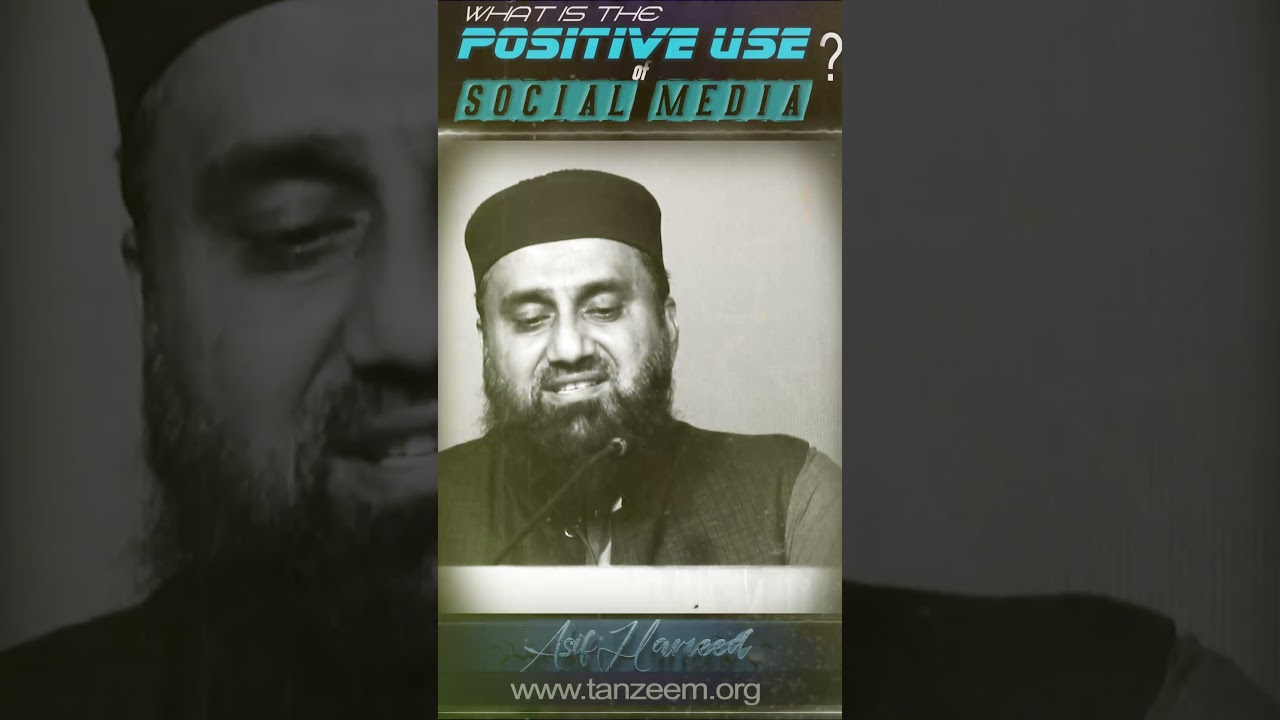
This lecture emphasizes the crucial role of social media in contemporary dawah and the propagation of Islamic thought, building on the legacy of Dr. Israr Ahmad. The speaker highlights the extensive digital archive of Dr. Ahmad’s content, now available across multiple platforms including YouTube (12 channels), Facebook (4 pages), Instagram (6 accounts), TikTok (2 accounts), Pinterest, SoundCloud, WhatsApp (3 channels), Telegram (2 channels), and dedicated websites. Viewers are encouraged to subscribe to these official channels to access authentic materials and actively share the content to broaden its reach. The speaker stresses the ease with which individuals can contribute to this dawah effort through simple actions like sharing content online, framing it as a continuation of the Prophet’s practice of utilizing available communication methods. The goal is to amplify the message of the Quran and strengthen the struggle for its implementation.
76
