短裤
The observance of fasting on the 9th and 10th of Muharram is a recommended practice, not obligatory. This practice originated when the Prophet Muhammad learned that the Jews of Medina fasted on the 10th of Muharram to commemorate their deliverance from Pharaoh. The Prophet, affirming a greater connection to Moses, instructed his companions to fast for two days – the 9th and 10th – to distinguish the Muslim practice from that of the Jews. This two-day fast signifies a deliberate divergence from the Jewish tradition, while simultaneously honoring the historical event and recognizing the importance of Moses.

63
The lecture clarifies the distinction between a Nabi (prophet) and a Rasul (messenger), emphasizing that all Rasul are Nabi, but not all Nabi are Rasul. It focuses on the exemplary character of prophets, using the examples of Yusuf, Yaqub, and Ayyub to illustrate virtues like patience and righteousness. The talk highlights that prophetic figures embody moral excellence and serve as models for ethical conduct. The core message is that studying the lives of prophets reveals lessons in good character and spiritual strength.
63
The concept of *ubudiyat* (devotion) encompasses two essential elements: the utmost love and complete submission. True devotion is achieved when both reach their peak, uniting in a profound connection with the Divine. This lecture emphasizes that devotion is fundamentally rooted in intense love for God, coupled with total surrender and humility before Him. These two aspects are inextricably linked; one cannot exist without the other. The complete yielding of self, and an absolute devotion, are the hallmarks of genuine worship.
61
Maghira Ibn Shuba was among the companions who pledged allegiance to the Prophet Muhammad under the Tree of Ridwan, as mentioned in Surah Al-Fath. He was a staunch supporter of Hazrat Ali during the civil war between Hazrat Ali and Amir Muawiya, consistently siding with Hazrat Ali's faction.
59
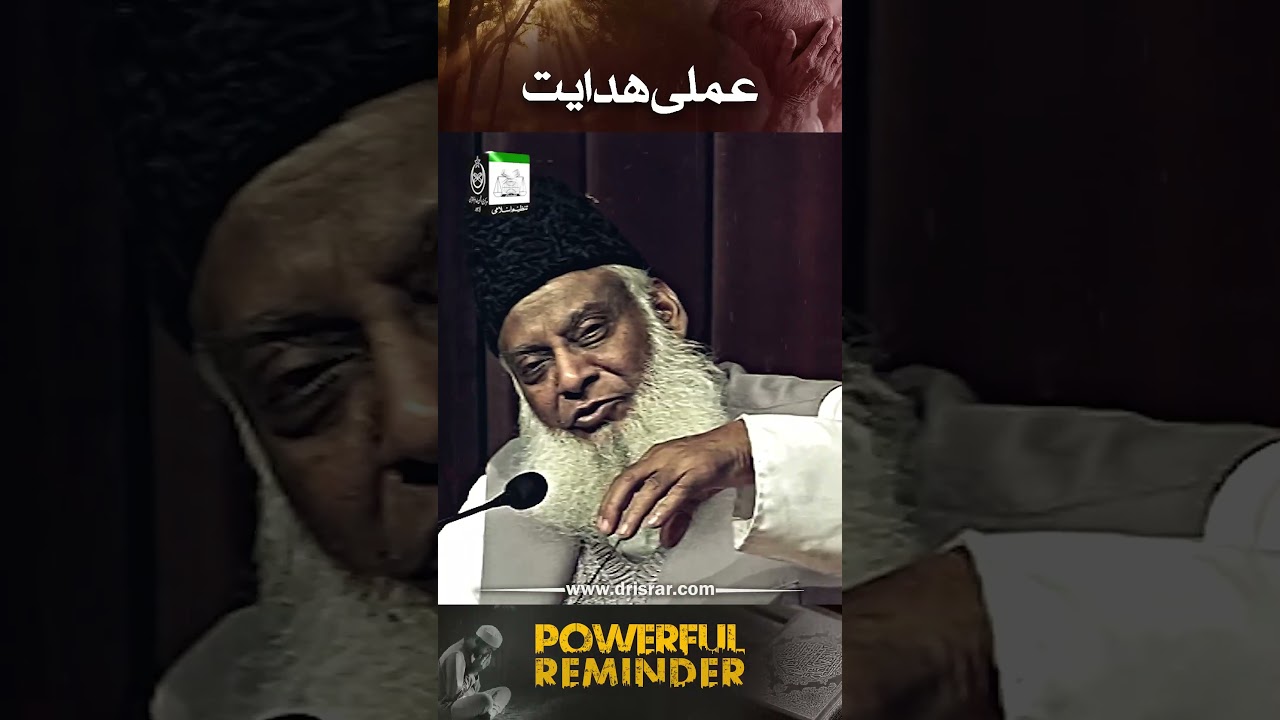
This lecture clarifies that humanity’s fundamental need is not material wealth or political power, but divine guidance. Humans are inherently equipped with the capacity to discern between right and wrong, good and evil, through the innate knowledge instilled within their souls. While individuals possess the ability to self-assess and find answers within their own hearts, external factors like forgetfulness, personal desires, and spiritual rust can obscure this innate knowledge. This lecture emphasizes the importance of seeking and maintaining a connection with this inner guidance.
54

Imam Ahmad ibn Hanbal narrates a tradition from Maqdad ibn al-Aswad, a companion of the Prophet Muhammad (peace be upon him). During a consultation before the Battle of Badr, Maqdad declared that they were not like the companions of Moses who hesitated to fight, but were followers of Muhammad, ready to obey his command. The Prophet (peace be upon him) then proclaimed a significant prophecy: no dwelling, whether built of brick or tents, will remain where Islam does not enter, either with the honor of acceptance or the disgrace of rejection. This signifies Islam’s inevitable global spread and triumph.
44
