السراويل القصيرة
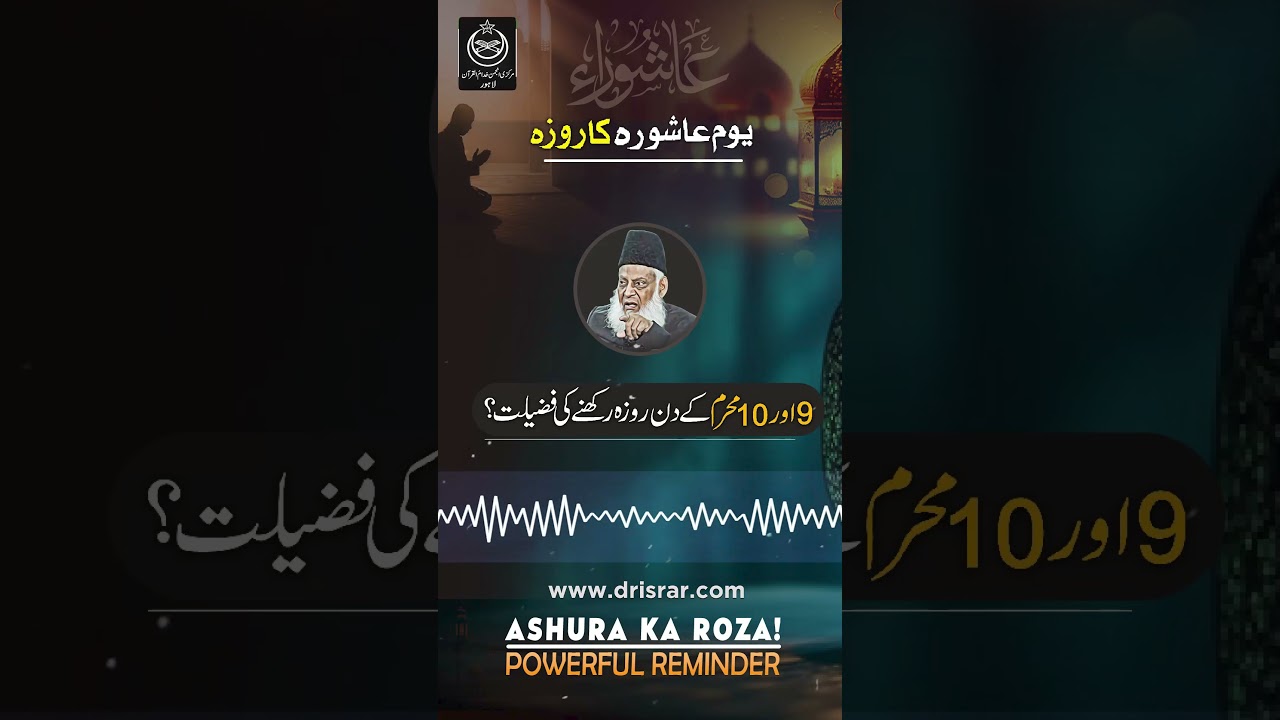
The observance of fasting on the 9th and 10th of Muharram is a recommended practice, not obligatory. This practice originated when the Prophet Muhammad learned that the Jews of Medina fasted on the 10th of Muharram to commemorate their deliverance from Pharaoh. The Prophet, affirming a greater connection to Moses, instructed his companions to fast for two days – the 9th and 10th – to distinguish the Muslim practice from that of the Jews. This two-day fast signifies a deliberate divergence from the Jewish tradition, while simultaneously honoring the historical event and recognizing the importance of Moses.

63
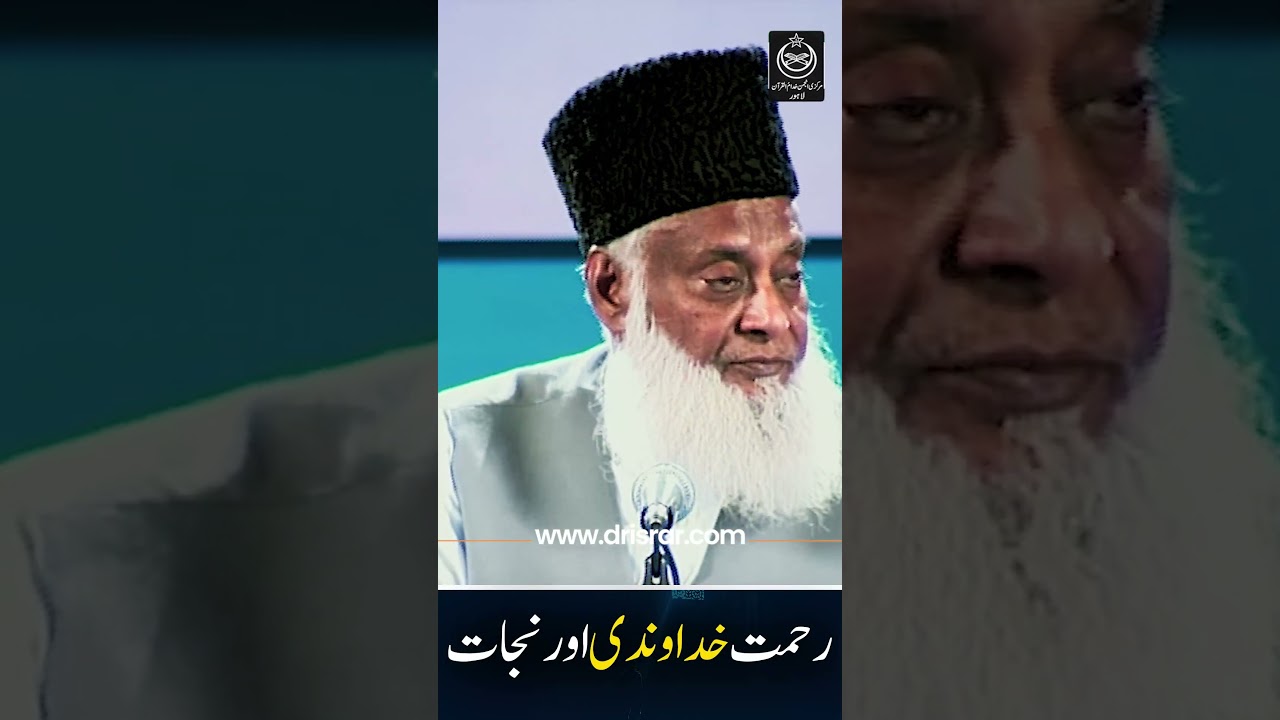
Salvation is not attainable through personal effort alone; it is contingent upon divine mercy, as all humans are prone to error. The Quranic verse emphasizes that while everyone makes mistakes, the best among them are those who sincerely repent. Achieving God’s mercy requires faith, righteous deeds, patience, and striving towards truth. It is a believer’s duty to exert their utmost effort in seeking divine favor, recognizing that ultimate salvation rests solely with God.
56

The text details the events of the Battle of Karbala. Twenty families from the Banu Hashim clan fought bravely alongside Imam Hussain, sacrificing their lives. The battle saw intense fighting, with many from the Banu Hashim martyred. A young child of Imam Hussain was also among the martyrs. All male members of Imam Hussain's household were killed except for his son, Ali Zayn al-Abidin, who was ill and unable to participate. This occurred in 61 AH, exactly fifty years after the passing of the Prophet Muhammad.
92

Prioritizing the purification of the heart is essential, though physical cleanliness is also necessary. Maintaining a beard is a strongly recommended tradition of the Prophet Muhammad, peace be upon him, not an obligation. While adhering to religious practices is important, genuine intention and a pure heart are paramount. Following the Prophet’s commands, even in seemingly minor matters, benefits one’s spiritual and worldly life. A clean heart and sincere intentions are foundational to a meaningful life.
63

God revealed that He would bestow the guidance, delivered through revelation, as mentioned in the final verses of Surah Al-Baqarah. This guidance was initially communicated to Adam, informing him of his role as the vicegerent on Earth and the temporary nature of his existence in Paradise. The message conveyed that all future guidance for prophets would follow this same path. Adherence to this divine guidance guarantees security and salvation, while rejection leads to the fires of Hell.
64

The Kaaba’s origins trace back to Prophet Adam, who was its first architect. The initial structure was destroyed by floods, leaving only its foundations. Prophet Ibrahim, guided by divine instruction, rebuilt the Kaaba upon those original foundations, with the help of his son Ismail. Thus, Ibrahim became the second architect of the Kaaba, restoring it as a place of worship. The lecture details the historical and spiritual significance of the Kaaba's construction and the roles of both Adam and Ibrahim in its creation.
60
