ショーツ
True faith necessitates prioritizing devotion to God above all else, even familial bonds. This lecture explores the conditions for attaining genuine faith, emphasizing that complete obedience to God is a continuous struggle against internal desires and external temptations. Four fundamental acts of worship are presented as pillars supporting a life of sincerity and devotion. The lecture stresses the difficulty of this pursuit, acknowledging the influence of the self and the constant efforts needed to overcome worldly inclinations. Genuine worship demands a wholehearted commitment, transcending mere ritualistic observance.

64
The speaker expresses a belief in Pakistan's destined role in the revival of Islam, despite current disillusionment with religious leadership and societal apathy. He anticipates a period of national upheaval that will ultimately cleanse existing problems and ignite a dormant spiritual fervor. This transformation will position Pakistan as a cradle of Islam and a launching pad for the global resurgence of Islamic values and principles. The speaker emphasizes that despite present difficulties, a powerful spiritual awakening is imminent.
40
The lecture defines ‘Salihat’ (righteous women) in Islam, emphasizing their key characteristics. These women are obedient, protectors of marital fidelity and household secrets, and guardians of their husband’s honor and property in his absence. The talk highlights that a wife’s integrity directly reflects her husband’s honor, and her discretion is paramount. It emphasizes the wife’s role as the primary confidante and keeper of her husband’s secrets, alongside safeguarding his possessions and reputation.
62
The Prophet Muhammad (peace be upon him) stated that some individuals, despite lacking worldly access or social standing, hold a high status in the eyes of God. Even a casual oath uttered by them is honored by Allah. The Prophet (peace be upon him) highlighted the exceptional status of companions like Abu Huraira and Abu Dharr, equating observing Abu Dharr with witnessing the arrival of Jesus (peace be upon him). These individuals represent the truly successful and blessed.
73
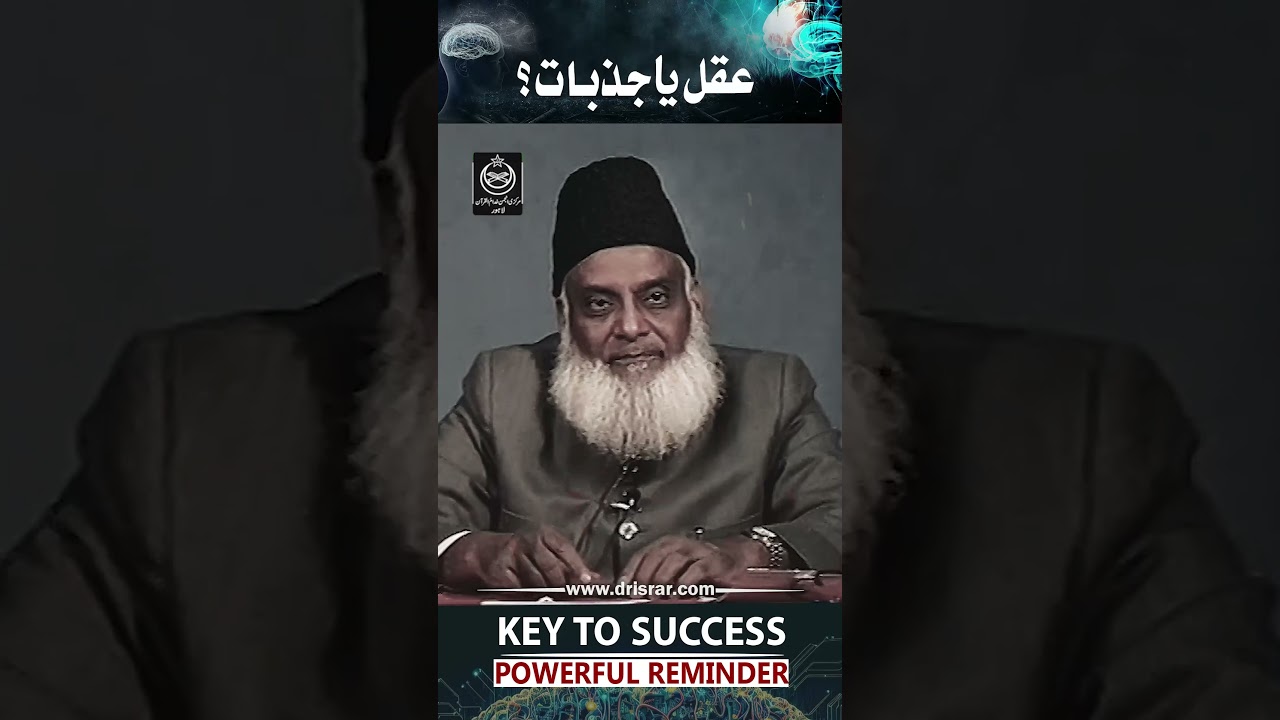
This lecture explores the conflict between intellect and passionate faith, using the story of Ibrahim and Nimrod as a central analogy. It argues that true devotion requires transcending rational self-preservation. The speaker emphasizes that while intellect provides guidance and direction, moments of profound commitment demand acting beyond logical calculation, fueled by unwavering belief. It highlights the importance of emotional conviction in propagating a message, even at personal risk, and asserts that intellectual analysis alone cannot drive transformative action. The lecture encourages listeners to move beyond purely rational thought when pursuing higher purposes, embracing the power of heartfelt conviction.
77
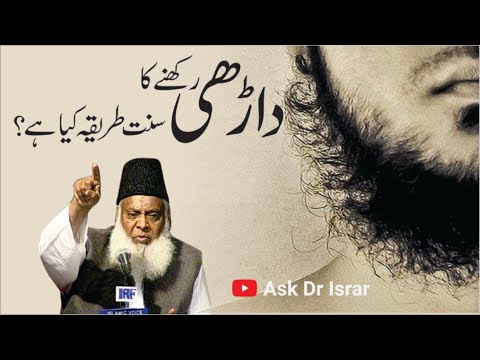
This lecture clarifies the Islamic rulings regarding beards and mustaches. It states that growing a beard is a Sunnah, and interfering with its natural growth is discouraged. Trimming for balance is permissible if growth is uneven. Shaving the beard completely or excessively is considered a greater sin than not growing one at all. The lecture emphasizes that adhering to these practices is considered obligatory by some scholars, as it aligns with the teachings and practices of the Prophet Muhammad (peace be upon him).
80
