Shorts
True faith necessitates prioritizing devotion to God above all else, even familial bonds. This lecture explores the conditions for attaining genuine faith, emphasizing that complete obedience to God is a continuous struggle against internal desires and external temptations. Four fundamental acts of worship are presented as pillars supporting a life of sincerity and devotion. The lecture stresses the difficulty of this pursuit, acknowledging the influence of the self and the constant efforts needed to overcome worldly inclinations. Genuine worship demands a wholehearted commitment, transcending mere ritualistic observance.

64
This lecture addresses the question of accountability for unintentional involvement with interest (riba). It clarifies that if someone unknowingly consumes something containing interest, they are not exempt from sin. However, the speaker proposes that sincere effort dedicated to establishing and strengthening religious practice can serve as expiation. The analogy of involuntary inhalation of dust is drawn; just as one cleanses their lungs, striving for faith cleanses the soul. The lecture emphasizes that consistent, dedicated work for the cause of religion is a valid form of atonement for unintentional transgressions.
68
Expanding one’s intellect through the study of science, philosophy, and logic is crucial for comprehending the wisdom within the Quran. True benefit lies not only in acquiring this knowledge but also in sharing it with others. The greatest wealth is the ability to disseminate this understanding, and the greatest service to humanity is to guide others toward divine direction. This pursuit of knowledge, and its subsequent sharing, is the highest form of generosity and selfless service.
60
This lecture addresses the challenges faced by individuals with disabilities, specifically blindness, and offers a theological perspective on hardship and divine justice. It posits that life's difficulties are not punishments but tests, and that full compensation will be provided in the afterlife. The speaker argues that limitations do not negate success, as individuals will be judged based on their capacity and effort. The focus shifts from worldly outcomes to the eternal reward, framing current struggles as a temporary phase within a larger, eternal context. Success isn't measured by worldly achievements but by striving within one's limitations. The speaker emphasizes that the true life exists in the hereafter.
56
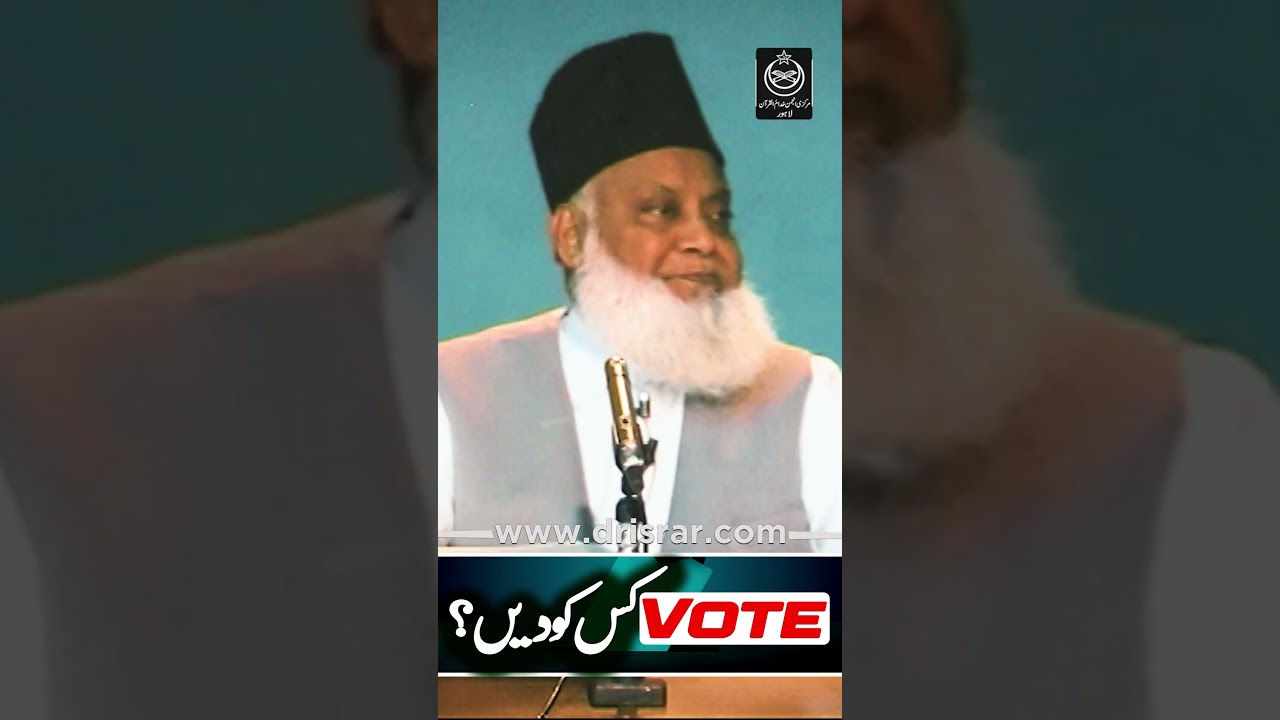
This lecture emphasizes that voting is an act of entrusting responsibility, akin to appointing a trustworthy advisor. Voters should prioritize competence, integrity, and suitability when selecting representatives at all levels—from local officials to national leaders. The speaker cautions against prioritizing personal connections, nepotism, or self-interest. The selection process must ensure that chosen individuals are truly capable of serving the nation, community, and wider collective, upholding principles of justice and competence in governance. The ultimate goal is to establish an organization built on merit and dedicated to selfless service.
60
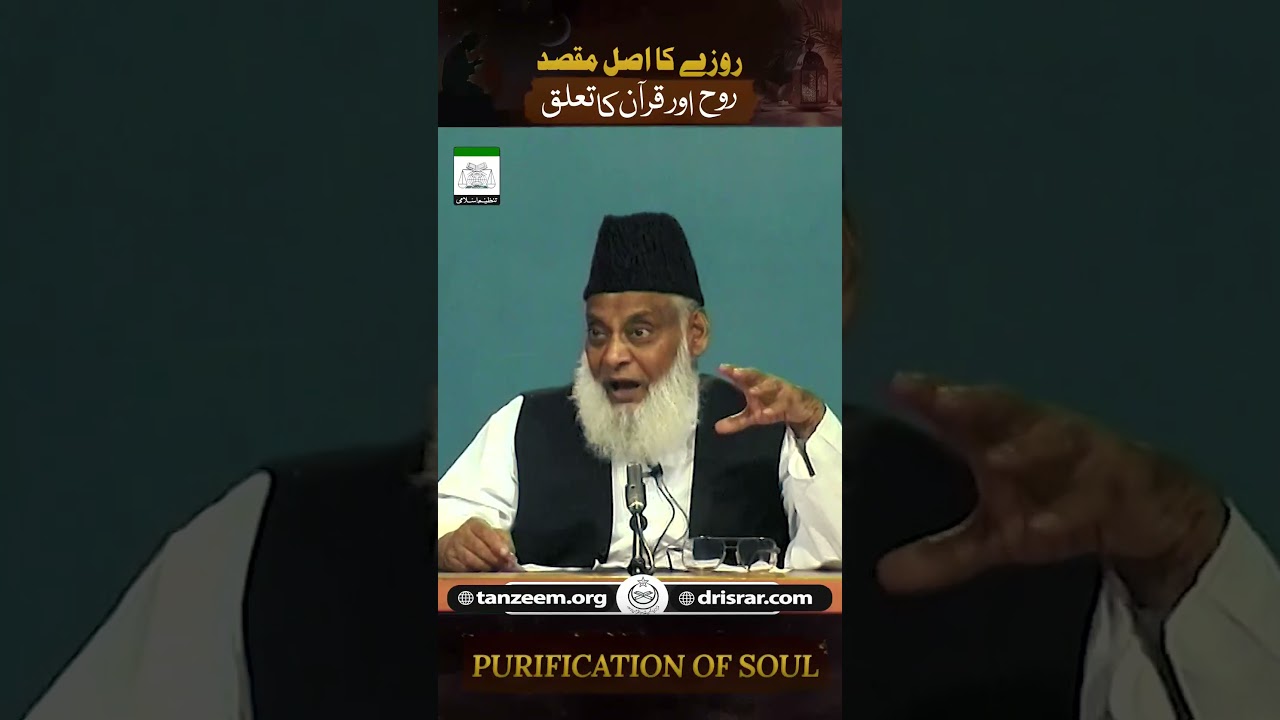
Fasting provides relief to the soul burdened by worldly desires, reducing the weight of the physical self. This spiritual liberation allows for a deeper connection with the Divine. The essence of fasting lies in the soul’s return to its origin, acknowledging Allah’s greatness and expressing gratitude. Upon regaining consciousness, the soul is revitalized and directed towards its true source. Just as all things return to their origin, our physical existence returns to the earth after death, while the soul returns to its Creator. This connection with Allah, expressed through prayer and supplication, is the ultimate objective of observing the fast. The fast isn’t merely abstaining from food and drink; it is a pathway to spiritual renewal and a return to one’s divine source.
71
