מִכְנָסַיִים קְצָרִים

True faith necessitates prioritizing devotion to God above all else, even familial bonds. This lecture explores the conditions for attaining genuine faith, emphasizing that complete obedience to God is a continuous struggle against internal desires and external temptations. Four fundamental acts of worship are presented as pillars supporting a life of sincerity and devotion. The lecture stresses the difficulty of this pursuit, acknowledging the influence of the self and the constant efforts needed to overcome worldly inclinations. Genuine worship demands a wholehearted commitment, transcending mere ritualistic observance.

64
Dr. Israr Ahmad discusses the imposition of the Muslim Family Laws Ordinance in 1961 by a military dictator, highlighting the lack of unified opposition from various Islamic sects despite widespread acknowledgement of its flaws. He points out that despite repeated proclamations of Islamic values, subsequent leaders, including Zia-ul-Haq, failed to amend or repeal the ordinance, allowing it to remain law for over a decade. The lecture examines the historical context and the absence of concerted religious resistance to the legislation.
51
This lecture details a profound moment of supplication by the Prophet Muhammad (peace be upon him), expressing vulnerability and seeking divine assistance amidst adversity. The Prophet articulates his powerlessness, the humiliation faced, and the feeling of being abandoned to his enemies. He then humbly submits to God’s will, stating that he has no concern even if it means divine displeasure, as long as God’s decree is accepted. The lecture emphasizes complete surrender and trust in God's plan, even in the face of hardship and perceived injustice. It highlights the essence of *'ubudiyyat* (servitude) and accepting whatever comes from the Divine Source.
53
The Sirat is described as a narrow bridge spanning Hell, shrouded in intense darkness. Those with faith and righteous deeds will be guided by an inner and right-hand light, allowing them to cross safely into Paradise. Conversely, those lacking faith and good deeds will stumble, fall, and be cast into Hellfire. This inner light, emanating from faith and righteous actions, illuminates the path for the believers, while the unrighteous will face a treacherous journey and ultimate damnation. The Sirat is a test of one's spiritual state and a decisive factor in their eternal destiny.
54
The presence of photographs within a home prevents angels from entering. This impacts the spiritual well-being of all inhabitants, hindering their worship. While angels of mercy refrain from entering homes displaying images, recording angels remain present. The prohibition stems from a divine disapproval of pictorial representations, serving as an expression of displeasure. The issue is one of religious preference, not a strict legal matter. Displaying pictures is discouraged, but not considered a fatal flaw in faith.
86
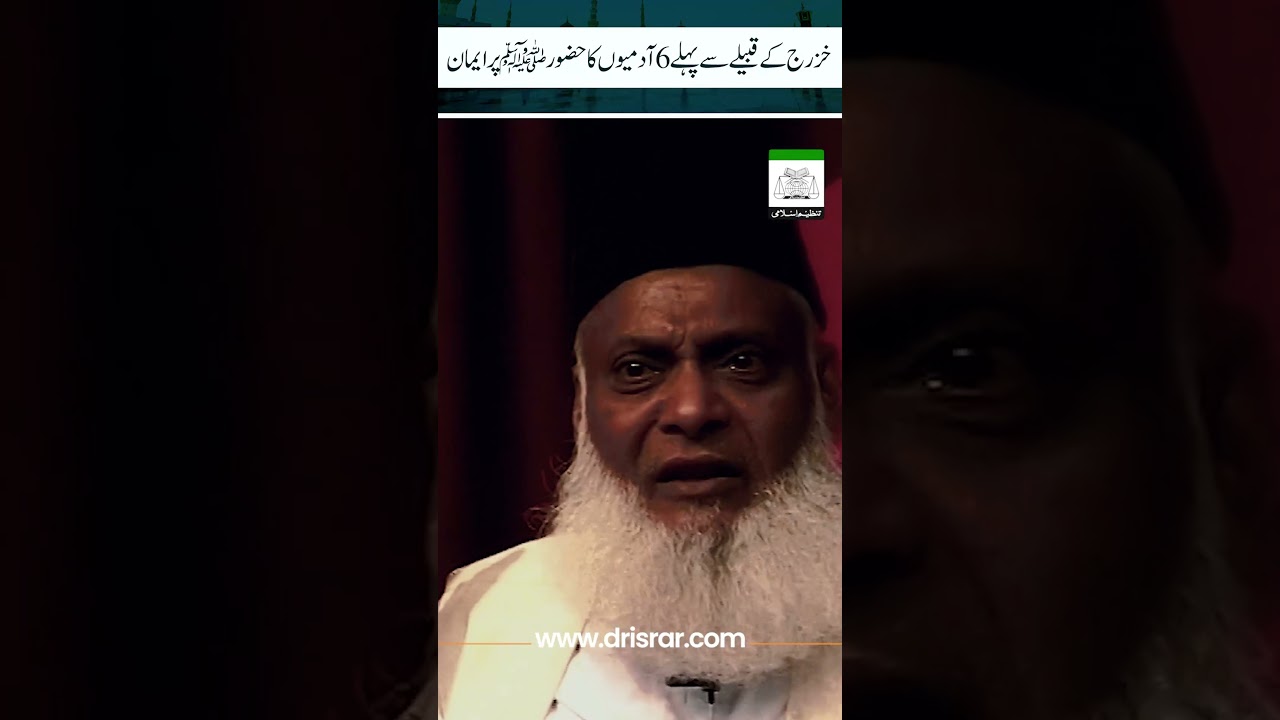
During the days of Hajj, the Prophet Muhammad encountered six individuals from the Khazraj tribe. These men had heard rumors from Jewish communities that the final prophet would appear among them and that they would ultimately defeat their enemies. They had consistently lost conflicts with Jewish communities. When invited to Islam by the Prophet, they recognized the fulfillment of these prophecies and immediately accepted the faith, fearing being left behind when the Jews converted. This event demonstrates the power of divine guidance and the swift acceptance of truth by those destined to believe.
67
