Celana pendek

True faith necessitates prioritizing devotion to God above all else, even familial bonds. This lecture explores the conditions for attaining genuine faith, emphasizing that complete obedience to God is a continuous struggle against internal desires and external temptations. Four fundamental acts of worship are presented as pillars supporting a life of sincerity and devotion. The lecture stresses the difficulty of this pursuit, acknowledging the influence of the self and the constant efforts needed to overcome worldly inclinations. Genuine worship demands a wholehearted commitment, transcending mere ritualistic observance.

64

The lecture defines migration (Hajrat) not merely as physical relocation, but as abandoning anything displeasing to God. It outlines three levels: renouncing interest-based transactions, establishing modesty and privacy within the home, and ultimately, sacrificing all worldly possessions – even family – to uphold and defend the faith when facing persecution and conflict. This final level represents the highest form of migration, undertaken when actively striving to establish God’s law.
65

This lecture explores the importance of constant remembrance of God and the Beloved. It emphasizes focusing on every moment as potentially the last, urging listeners to dedicate each breath to seeking forgiveness and offering supplications. The speaker highlights a lack of genuine attention to spiritual matters and encourages a profound shift in perspective, advocating for complete devotion and surrender to the Divine. The discussion draws a parallel to Iqbal’s call for dismantling obstacles to spiritual enlightenment, suggesting a rejection of superficiality and a commitment to inner transformation.
29
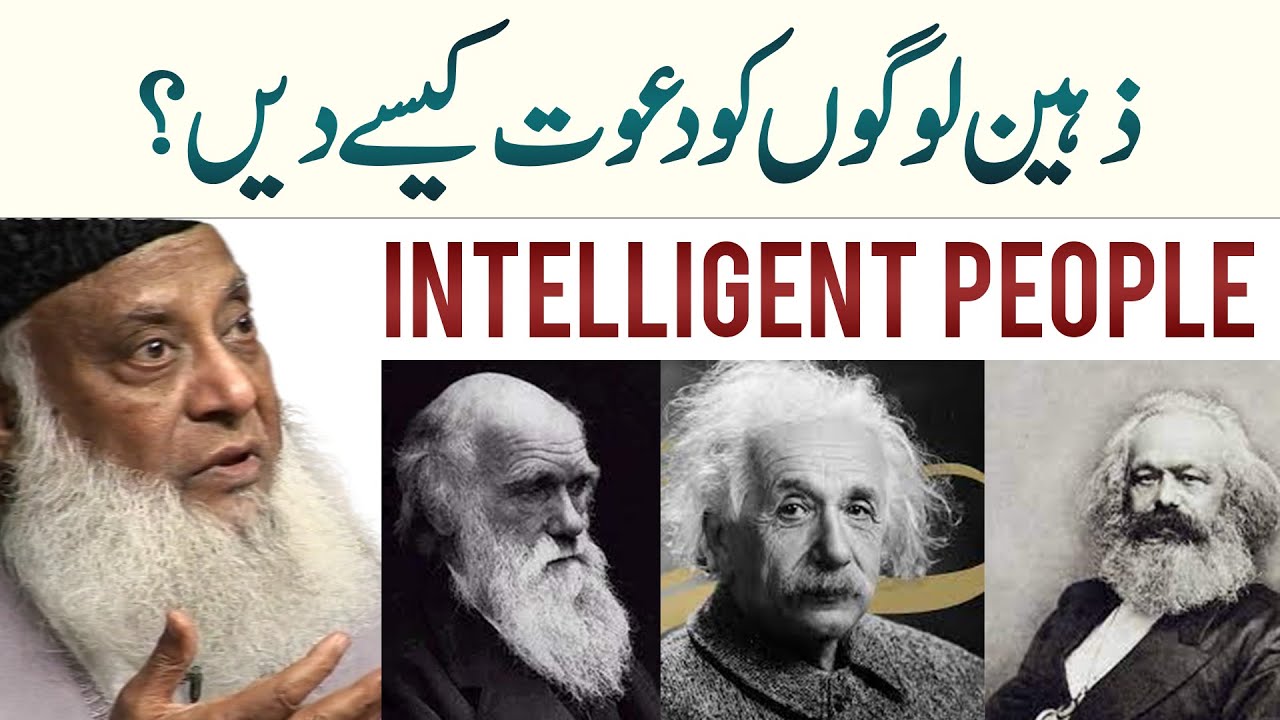
The lecture addresses the necessity of clearing the mind of conflicting ideologies, specifically Darwinian evolution and other Western philosophies, before accepting Islamic teachings. The speaker emphasizes that preconceived notions and intellectual impurities act as barriers to true understanding of religious concepts like the story of Adam and Iblis. He critiques the influence of thinkers such as Darwin, Freud, Marx, Adler, Bertrand Russell, and Sartre on contemporary thought, asserting that these philosophies obstruct a clear reception of Islamic principles. The speaker highlights the importance of intellectual purification to facilitate genuine faith and understanding.
60
This lecture clarifies the position of a prophet (Nabi) in Islam. It distinguishes a prophet from other pious individuals by highlighting the unique role of divine revelation (wahy). A prophet's assignment isn't to enforce belief through threats, but to convey the message due to an inherent natural compulsion. The lecture draws a parallel to a civil servant passing an exam and awaiting appointment, explaining that authority and responsibility come with official designation, similar to how a prophet’s role is defined by divine appointment. The core message is that a prophet is primarily a messenger of God, and his guidance is based on conveying the message, not coercion.
60

This lecture explains that accountability for evil deeds is direct and proportionate to the harm caused. Conversely, the acceptance of good deeds is contingent upon faith—belief in God, the Day of Judgement, angels, scriptures, and prophets. Giving to relatives, orphans, and the needy are also emphasized as integral aspects of righteous conduct. True piety isn’t merely outward displays of devotion, but sincere belief and action rooted in faith. The core message stresses that actions are judged based on intention and belief.
61
