Şort
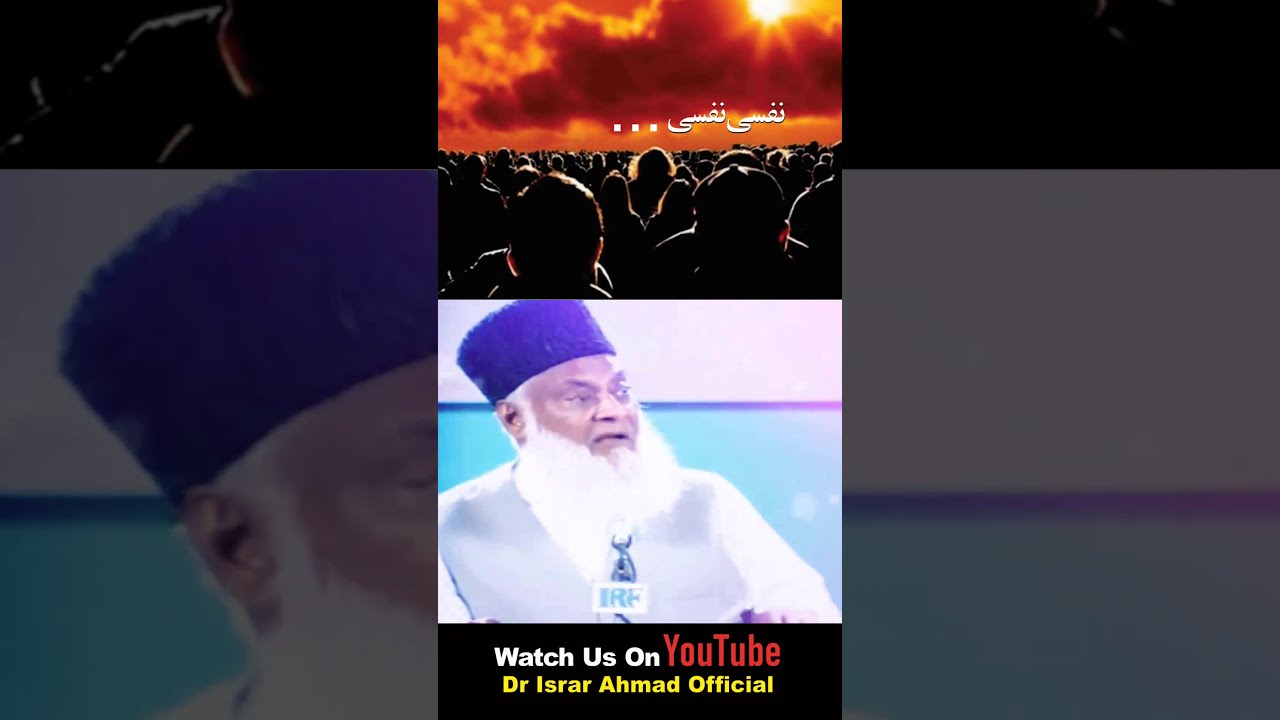
The Quran describes a day of immense hardship, 'Yaum-e-Farar,' where individuals will prioritize self-preservation above all else. On this day, familial and societal bonds will dissolve as people flee from loved ones—siblings, parents, spouses, and children—driven by intense fear and a desperate desire for personal salvation. The text highlights the complete breakdown of relationships and the overwhelming self-interest that will characterize this day of reckoning, where individuals will solely focus on escaping divine punishment.

88

The Prophet Muhammad is presented as the greatest benefactor of humanity, enduring significant hardships throughout his life. The text emphasizes that offering prayers (salutations) upon him is a means of acknowledging his virtues and receiving divine reward. It highlights the importance of recognizing his exemplary character and the blessings associated with remembering him.
248

This lecture emphasizes the importance of verifying hadith before accepting them as truth. It advises against outright rejection but encourages pausing for research to confirm authenticity. The speaker highlights the immense effort undertaken by scholars in hadith compilation and stresses that dismissing hadith based on personal opinion is against established beliefs. The lecture advocates for careful consideration, investigation, and confirmation that a hadith is sound and conforms to established principles before acceptance. It cautions against hasty judgments and encourages a scholarly approach to understanding religious narrations.
64

The entirety of the Prophet Muhammad’s life and revolution revolves around the Quran. All systems of invitation, training, and spiritual purification are centered on its teachings. To ensure the continued dissemination of this knowledge within an Islamic state or system, a consistent educational practice is vital. The Friday congregation (Jumah) is proposed as a weekly system for continuous learning and revival of Quranic teachings within the community.
29
This discourse emphasizes that times of hardship are often precursors to positive change and divine reward. It asserts that current difficulties are not signs of abandonment but rather tests of faith and resilience. The speaker encourages perseverance, highlighting that enduring trials will ultimately lead to a brighter future and the fulfillment of potential. The message stresses that even within darkness, the seeds of a new life are germinating, and those with insight should not lose hope in the face of adversity.
57
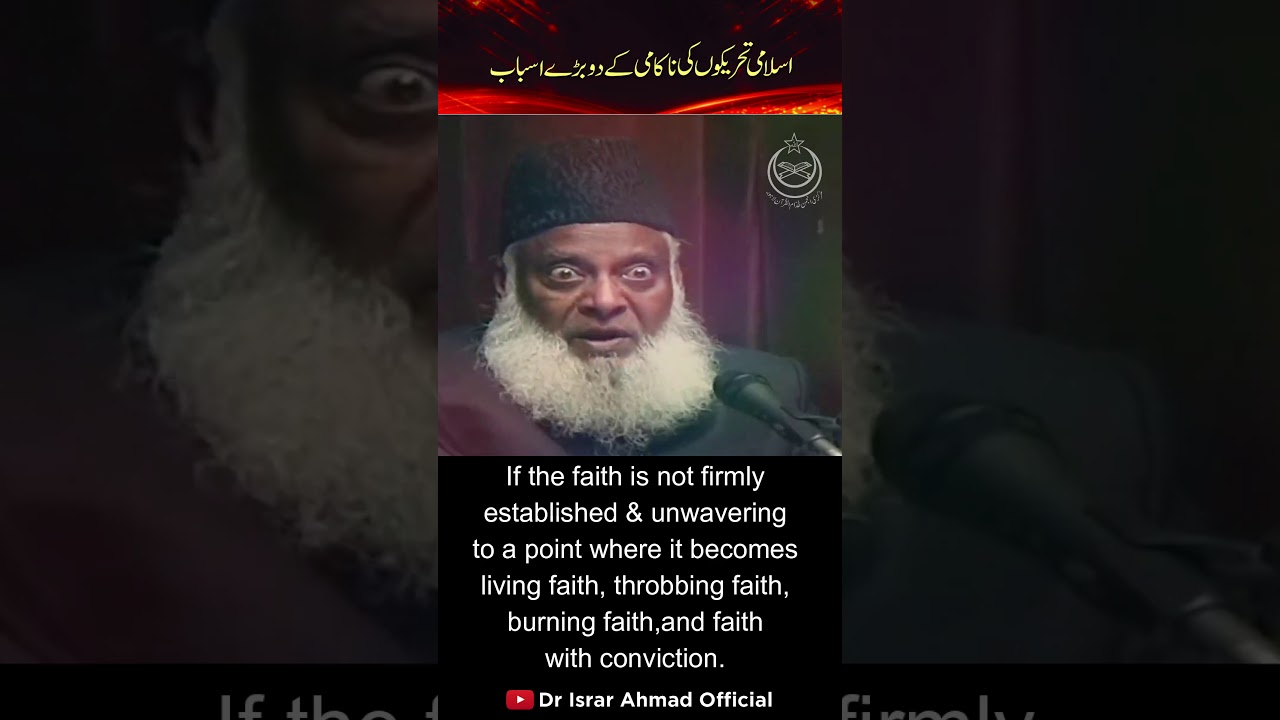
The failure of these movements stems from a focus on the structure of Islam rather than the core of faith. Islam is a building founded upon the bedrock of *iman* (faith); without a strong foundation of faith, these movements cannot succeed. Furthermore, the methodologies employed were borrowed from flawed ideologies – bureaucracy, communism, socialism, fascism, and guerilla warfare – instead of the prophetic model of Muhammad (peace be upon him). These two errors led to the ultimate failure of these movements.
62
