短裤
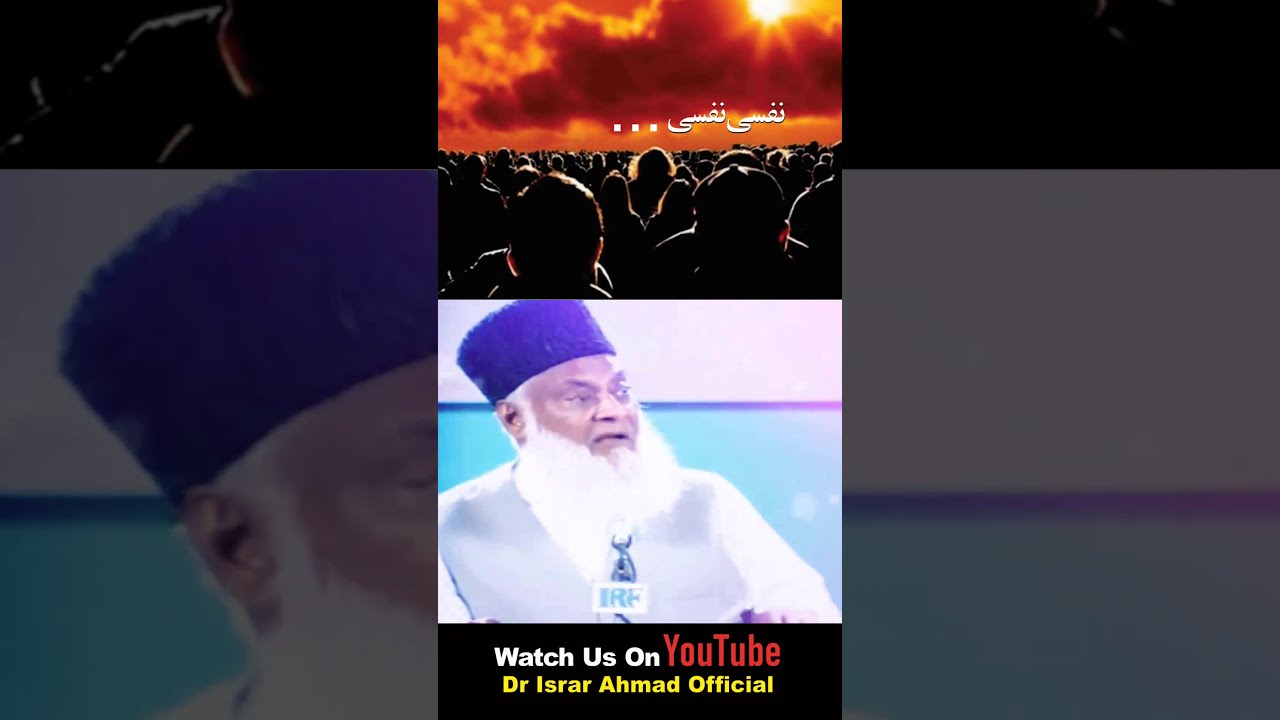
The Quran describes a day of immense hardship, 'Yaum-e-Farar,' where individuals will prioritize self-preservation above all else. On this day, familial and societal bonds will dissolve as people flee from loved ones—siblings, parents, spouses, and children—driven by intense fear and a desperate desire for personal salvation. The text highlights the complete breakdown of relationships and the overwhelming self-interest that will characterize this day of reckoning, where individuals will solely focus on escaping divine punishment.

88

This excerpt details the catastrophic events preceding and occurring on the Day of Judgement. It describes the dimming of vision, the extinguishing of the moon, the merging of the sun and moon, and the resulting panic and desperation of humanity. People will search for any refuge, but find none. The verse emphasizes ultimate accountability before God, where every deed—past and future—will be revealed. It highlights that on that day, humanity will be made to realize the consequences of their actions and be held accountable for everything they have done.
80

Dr. Israr Ahmad explains a critical point regarding religious observance. He clarifies that excessively strict adherence to rituals, like maintaining a fast (Roza) even under conditions of extreme hardship – such as during travel or military campaigns – is a misunderstanding of true piety. He points out that such rigid practices stem from a misguided notion of righteousness and can foster extremism. The lecture emphasizes that genuine faith prioritizes well-being and practicality over inflexible adherence to rituals, especially when it leads to physical exhaustion or hinders necessary activities. The Prophet Muhammad (peace be upon him) discouraged such unnecessary hardship and highlighted the importance of balance in religious practices.
63
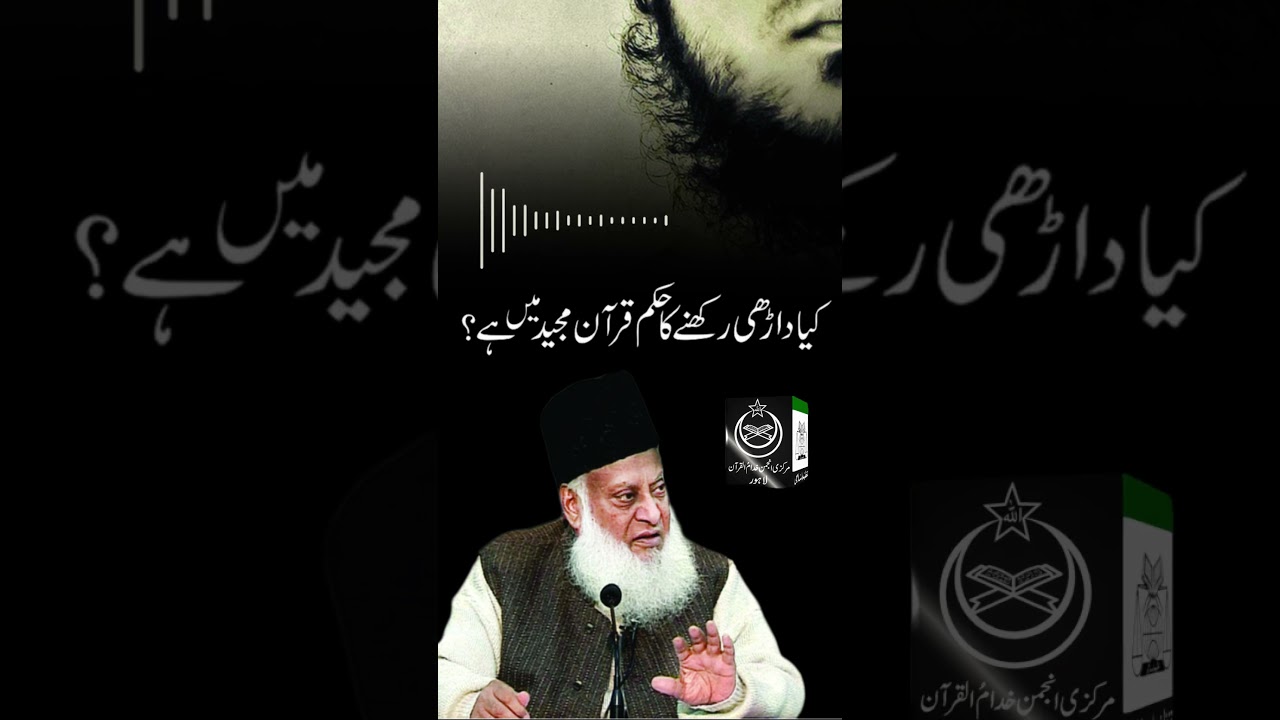
The Quran does not contain a direct command regarding beards. However, the Quran mentions the beard of Pharaoh, which Moses grasped. The practice of maintaining a beard is considered a tradition (Sunnah) of all prophets, and strongly emphasized by the Prophet Muhammad. While not a mandatory obligation (fard) in the Quran, it is a confirmed Sunnah (Sunnat-e-Muakkadah) and, according to some scholars, approaches the level of a religious obligation (wajib). Following this confirmed Sunnah is recommended, though not considered a mandatory religious duty.
64

The speaker expresses a belief in Pakistan's destined role in the revival of Islam, despite current disillusionment with religious leadership and societal apathy. He anticipates a period of national upheaval that will ultimately cleanse existing problems and ignite a dormant spiritual fervor. This transformation will position Pakistan as a cradle of Islam and a launching pad for the global resurgence of Islamic values and principles. The speaker emphasizes that despite present difficulties, a powerful spiritual awakening is imminent.
33

This lecture explores the transient and deceptive nature of worldly life, emphasizing its value as a field for cultivating rewards for the afterlife. It highlights the importance of remaining detached from worldly allurements and focusing on spiritual growth. True success lies not in accumulating worldly possessions but in preparing for the eternal realm. The speaker cautions against becoming lost in the superficialities of life, urging listeners to maintain a perspective of detachment, acting as travelers rather than settlers. Worldly life is valuable insofar as it allows one to earn provisions for the Hereafter; becoming engrossed in its distractions leads to ruin. The key to a balanced life is to engage with the world without becoming attached to it, recognizing its temporary nature and prioritizing eternal values.
67
