短裤
The greatest act of gratitude is towards one’s parents, a concept emphasized five times in the Quran. Simply *looking* at the Kaaba with reverence is considered an act of worship. Similarly, looking at one’s parents with love and respect is also an act of worship. This act of reverence, even without verbal interaction, holds significant spiritual reward. The Quran highlights the immense importance of honoring and showing affection to parents.

70
This lecture emphasizes the importance of fulfilling obligations to God and to humanity. It highlights the necessity of standing firm for justice, adhering to divine principles, and respecting revealed scriptures. The speaker stresses that true faith requires both upholding the rights of God – encompassing worship and obedience – and fulfilling the rights of others, including upholding justice and fairness. A key point is the responsibility to study, reflect upon, and act in accordance with the teachings of divine books like the Torah, the Gospel, and the Quran. The lecture concludes with a call to establish justice and follow the guidance revealed by God.
48
This lecture addresses the hypocrisy of requesting guidance from the Quran while simultaneously rejecting its comprehensive system of life. The speaker argues that simply reciting the Quran or making supplications based on its verses is insufficient if one isn’t prepared to fully embrace its principles and implement them in all aspects of life. True acceptance of the Quran as a guide, or *Imam*, requires a commitment to establishing its complete framework, not merely selective adherence. Prayers offered without this genuine commitment are deemed ineffective and ultimately rejected.
106
This lecture elucidates the severe consequences of animosity towards a pious individual, or *Wali Allah*. It emphasizes that hostility towards a friend of God is equivalent to declaring war against God Himself. The discussion highlights that true spiritual pain arises from causing hurt to those with sensitive hearts, and that hurting a *Wali Allah* brings shame and disgrace upon an entire community. The lecture stresses that genuine love for God is reflected in compassion and care for His devoted servants, and that inflicting pain on them invites divine retribution. The core message is that harming those close to God brings about spiritual and communal ruin.
52
This lecture discusses the presidential system of governance, drawing parallels between it and the Khilafat system. It highlights the president’s autonomy from the legislature, emphasizing the ability to appoint ministers based on competence rather than congressional membership. The speaker argues that expertise in foreign policy and finance are crucial qualifications, and that even if unelected, a qualified individual's skills should be utilized for the nation's benefit. The discussion positions the presidential system as closer to the Khilafat system compared to a parliamentary one.
53
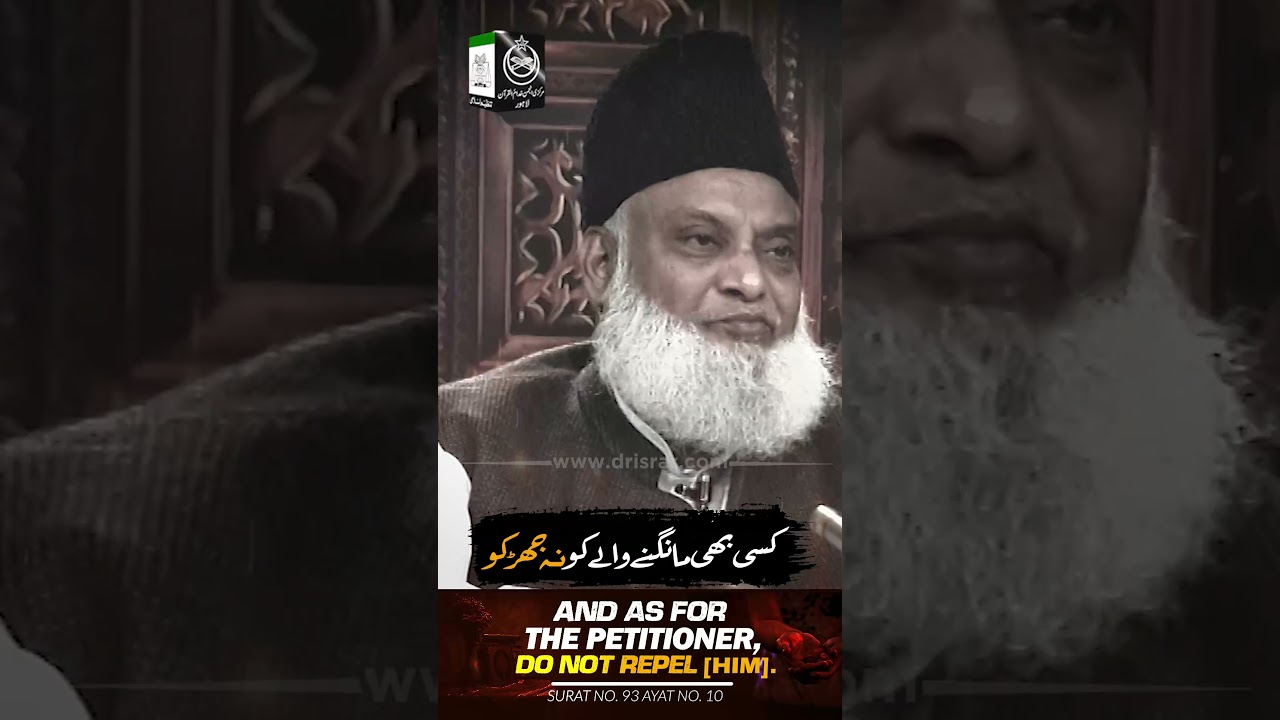
This lecture emphasizes the importance of respectful interaction with those in need, based on the final verses of Surah Ad-Duha. It clarifies that rebuking or harshly responding to a petitioner is prohibited in Islam. The verses instruct believers to avoid dismissive behavior and instead respond with kindness, even if politely declining to fulfill the request. The lecture highlights the significance of empathy and good manners when dealing with those who ask for help, advocating for a gentle and considerate approach.
50
