شلوار کوتاه
The speaker asserts that religious morality built upon a foundation lacking inherent ethical character is inherently weak and ineffective. He illustrates this with the example of a local businessman known as Haji Blackia, a wealthy sugar distributor known for his outward religious observance (leading prayers, having a long beard) but lacking genuine moral principles. The speaker argues that superficial religious practice without inner integrity is meaningless and ultimately futile. True religious morality must be rooted in solid ethical character.

66
The text details the historical origins of sectarian division between Shia and Sunni Muslims, attributing it to Abdullah Ibn Saba, a figure who emerged during the early Islamic period. Ibn Saba is accused of falsely claiming divine status for Hazrat Ali, sparking discord and ultimately laying the foundation for the Shia-Sunni split. He presented himself to Hazrat Ali and his followers, proclaiming him God, and even offered to be burned alive as a test of faith, a claim Hazrat Ali rejected and threatened with punishment. The text asserts this event is the root cause of the ongoing division.
91
This lecture addresses the issue of a widow relying on interest income for her children's upbringing and explores permissible alternatives. It emphasizes avoiding *haram* (forbidden) earnings, even in dire circumstances, and suggests seeking lawful means of income like home-based work, such as sewing. The speaker clarifies that while permissible in extreme need to survive, interest is generally not justifiable. He highlights that true sustenance comes from Allah and encourages reliance on Him while pursuing *halal* (lawful) earnings.
71
This lecture emphasizes prioritizing the afterlife while fulfilling worldly needs. It stresses reliance solely on Allah, avoidance of major sins, controlling anger, establishing a heart connection with Allah through prayer, seeking counsel, and dedicating wealth to the cause of Allah. The speaker advocates a balanced life focused on spiritual preparation and righteous action.
67
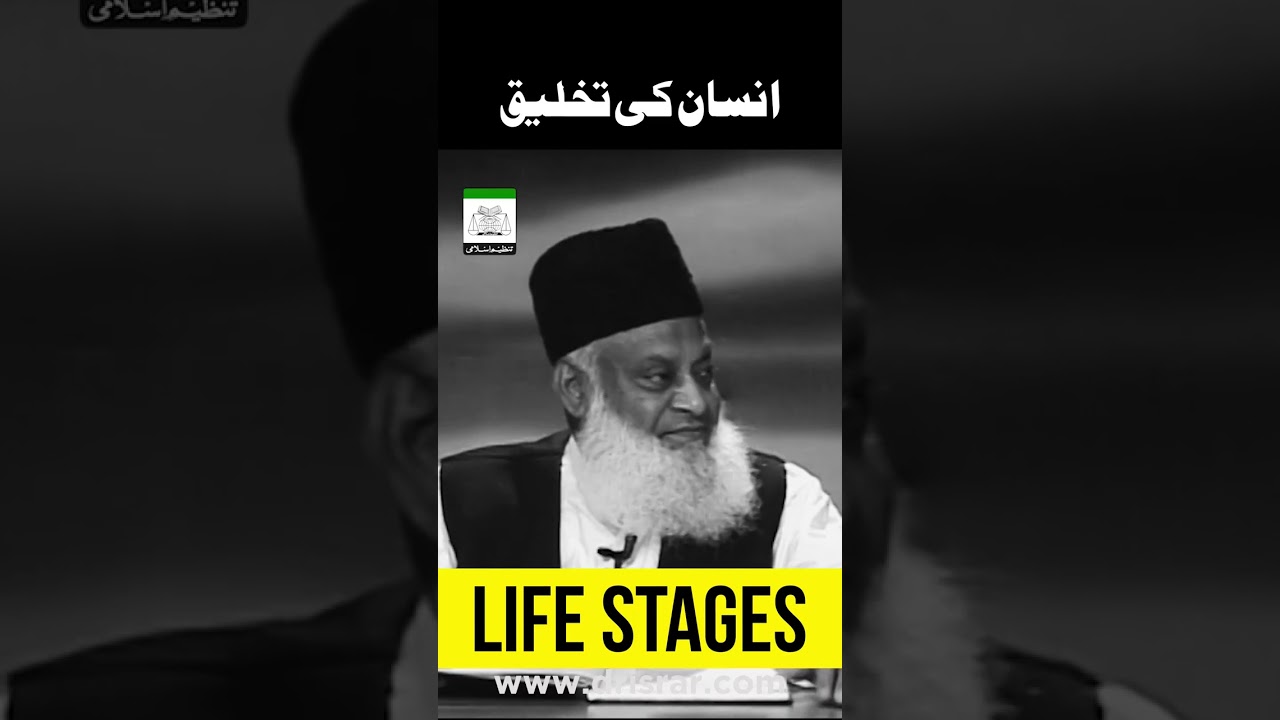
This lecture details the stages of human development from conception to old age, emphasizing the divine process governing life. It outlines creation from a sperm, its development into an embryo, then a fetus, followed by growth and maturity. The lecture acknowledges that some individuals are taken before reaching full potential, while others experience a decline in cognitive function with age, forgetting what they once knew. It reflects on the cyclical nature of life and the ultimate return to the Divine.
112
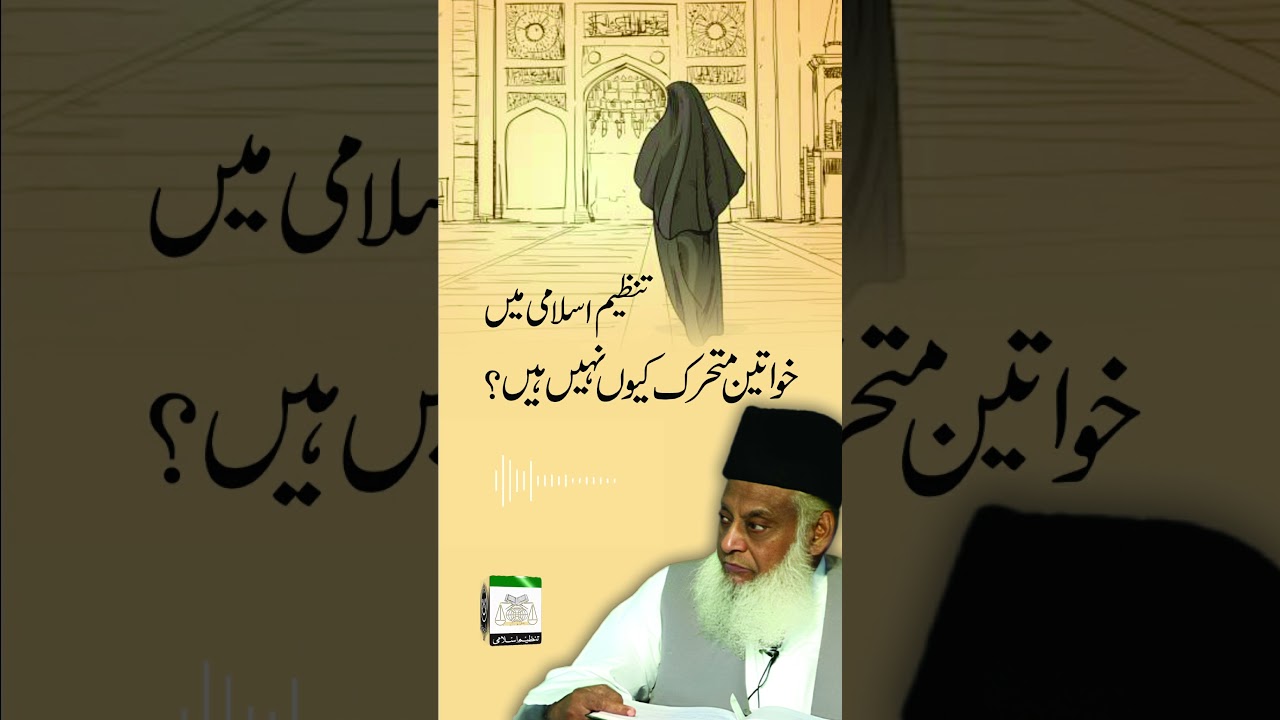
This lecture discusses the societal expectations placed upon women, particularly within a traditional framework. It highlights the prioritization of domestic responsibilities and the perceived conflict between these duties and external activities like preaching or political canvassing. The speaker emphasizes that a woman’s primary sphere of influence is her home, and while participation in other areas isn’t forbidden, it should not come at the expense of her familial obligations. The lecture addresses the potential for conflict when societal expectations clash with a woman's desire to engage in public life and suggests a balanced approach is necessary. It suggests that societal structures will naturally slow the pace of external activities for women prioritizing their homes.
101
