Shorts

The Prophet Muhammad (peace be upon him) observed a group discussing the Quran, not in a formal lecture, but in a lively exchange. He inquired if they bore witness to the truth of the declaration: ‘There is no god but Allah, and I am His Messenger, and this Quran is from Allah.’ They affirmed their testimony. The Prophet then instructed them to rejoice, for the Quran is a treasure both in their hands and with Allah.

55

During the Hijra, when the Prophet Muhammad (peace be upon him) and Abu Bakr (may Allah be pleased with him) were in the cave of Thawr, they feared discovery. Abu Bakr expressed concern that even a glance inside would reveal them. The Prophet reassured him, reminding him of God’s support. Consequently, Allah sent down tranquility upon them and reinforced them with unseen forces. This event resulted in the subjugation of the disbelievers and the ultimate triumph of Islam throughout the Arabian Peninsula. God’s word is supreme, and He is the Most Powerful, the Most Wise.
66

Taghut refers to anything that transgresses the boundaries of worship and obedience to God. It originates from ‘tagha’, meaning to exceed limits. When something, be it an individual, institution, or state, oversteps the bounds of devotion intended solely for God, it becomes Taghut. This lecture defines Taghut as any entity that demands allegiance and submission outside of God’s commands. It emphasizes that the essence of worship is submission within defined limits, and exceeding these limits constitutes an act of Taghut. The concept extends beyond individuals to encompass systems and ideologies that usurp divine authority and demand absolute obedience, leading to a deviation from true worship.
58
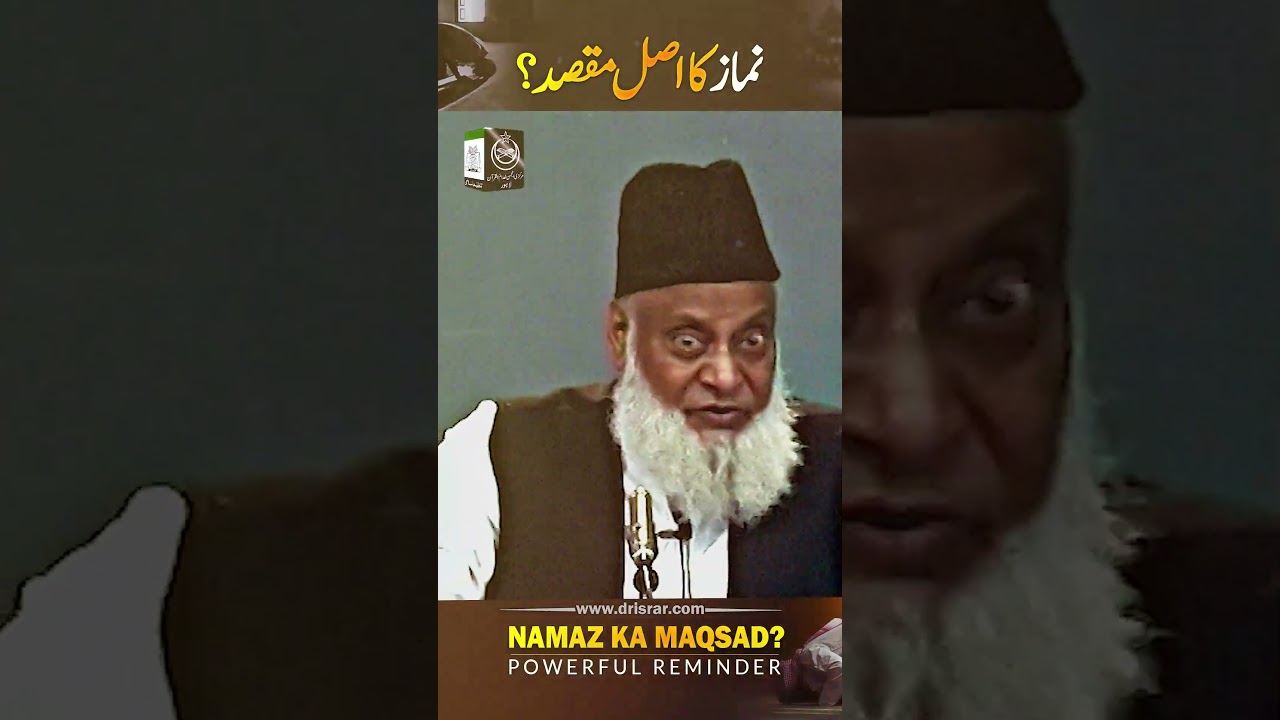
True prayer transcends ritual; it’s a direct communion with God achieved when the soul awakens. This lecture emphasizes that merely performing the actions of prayer—recitation and physical movements—is insufficient. Real connection occurs when one feels present before God, experiencing a sense of humility and closeness akin to placing one’s head in God’s lap. If the soul is dormant, oppressed, or dead, genuine prayer cannot occur, regardless of adherence to schedules or outward displays of devotion. Awakening the soul and establishing direct communication with God is the essence of achieving the spiritual elevation that prayer promises.
75
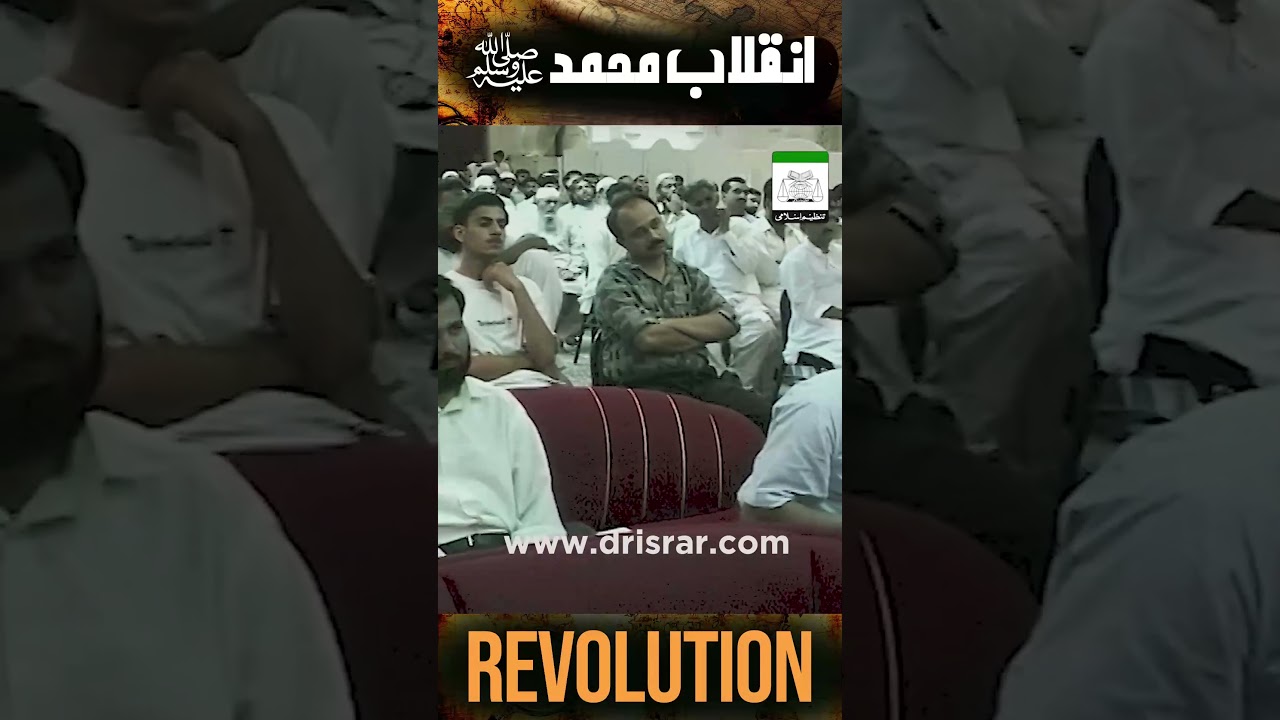
The advent of Muhammad ﷺ brought a complete transformation to all aspects of life. Existing beliefs, ideologies, individual personalities, and moral codes were fundamentally altered. Daily routines, social structures, political systems, and societal norms underwent a radical change. A nation previously characterized by widespread illiteracy became a beacon of knowledge and learning, becoming an educator for the world. It absorbed and developed sciences from both the East and West, disseminating them globally. This profound revolution dwarfs any other historical upheaval, including the French Revolution, in its scope and impact.
57
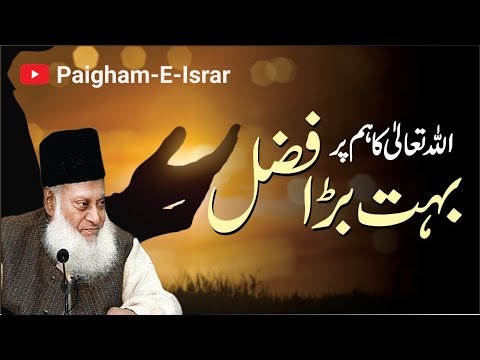
This lecture clarifies the distinction between faith (iman) and submission (islam), highlighting a prevalent issue where people adopt the rituals of Islam without genuine belief in their hearts. Dr. Israr Ahmad explains that merely declaring faith or belonging to a Muslim family does not equate to true iman. He emphasizes the importance of conscious, thoughtful acceptance of faith, warning against selective obedience to religious commandments. The speaker discusses the Quranic verses regarding hypocrites who profess Islam outwardly but lack inner conviction. True faith, he argues, necessitates complete surrender to Allah and His Messenger, and a sincere commitment to all divine teachings. Allah rewards sincere obedience even amidst imperfection, but selective adherence invites His displeasure. Ultimately, Dr. Israr Ahmad urges introspection and a conscious striving for genuine iman, not merely inherited or ritualistic Islam.
89
