Calção

Companions of the Prophet Muhammad (peace be upon him) expressed their distress regarding increasing hardships. The Prophet (peace be upon him) reminded them that previous followers of Islam faced even greater trials, including being burned alive, buried alive, and dismembered. He emphasized the importance of patience and perseverance, stating that trials are a test from God and that relief will come in due time. He cautioned against impatience and assured them that enduring hardship is a characteristic of true believers.

74

This lecture emphasizes solely relying on Allah for assistance and rejecting the practice of seeking help from spiritual entities or intermediaries. It asserts that Allah possesses the power to alleviate suffering directly, without requiring the intervention of spirits or angels. The speaker stresses that true solace and resolution come from turning to Allah alone with sincere prayer and supplication, and that Allah can grant relief through any means He chooses, independent of any external agent. The core message is a firm rejection of practices involving seeking help from anything other than the Divine.
55
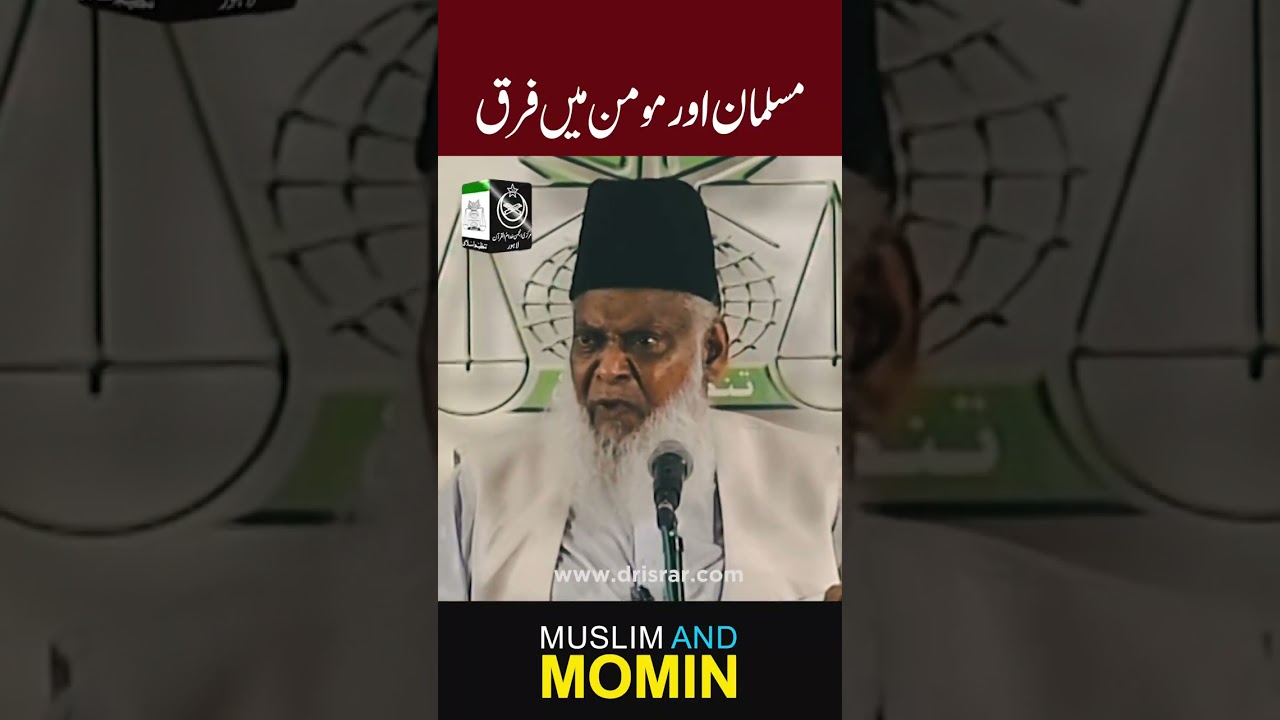
The lecture clarifies the distinction between being a Muslim—one who outwardly professes the faith—and a *mumin*—a true believer. It explains that merely claiming faith is insufficient; genuine belief requires complete trust in God and His Messenger, coupled with striving in His path with both wealth and life. The speaker references Surah Al-Hujurat, verse 14, highlighting that true faith enters the heart and manifests in dedicated action and sacrifice. A Muslim may adhere to the rituals, but a *mumin* embodies the complete essence of faith through unwavering dedication and continuous struggle for the sake of Allah.
75
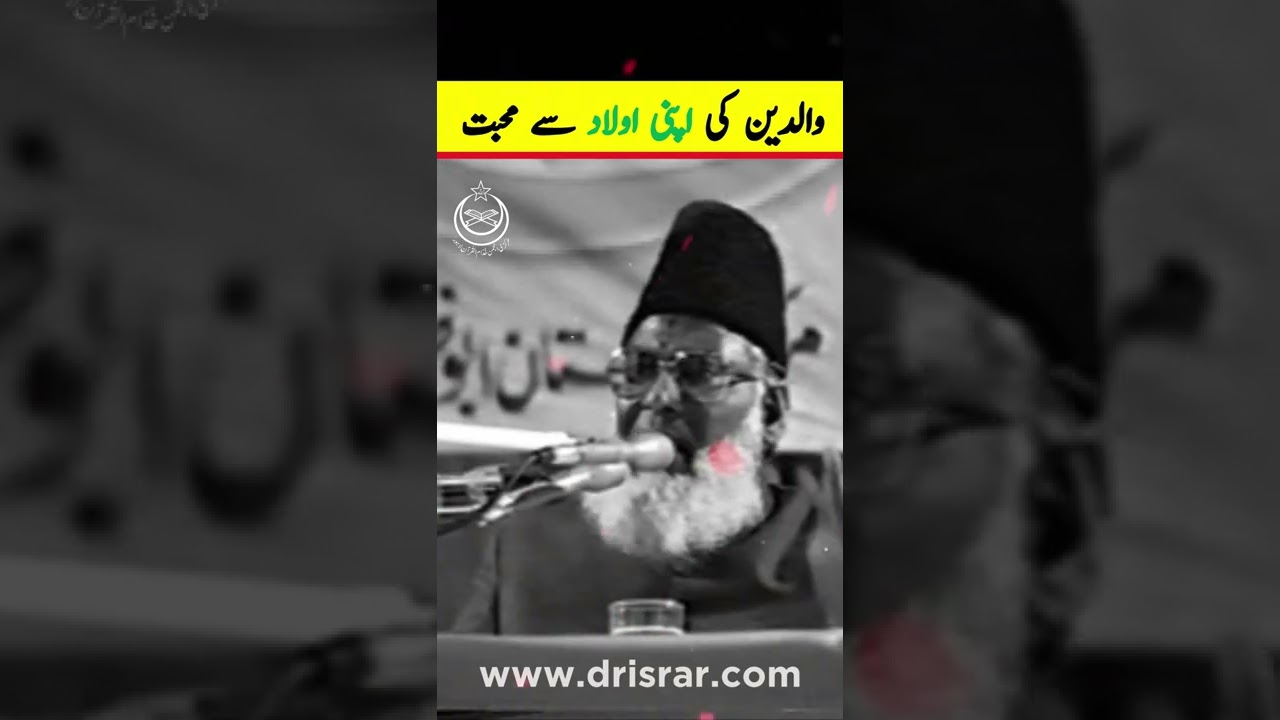
The lecture contrasts the unfeeling existence of animals with the profound emotional experience of parenthood in humans. Animals live without awareness of lineage or suffering, while human parents experience intense grief and sleeplessness when their children are ill or in pain. This highlights the unique burden and depth of parental love and the sacrifices made for one's offspring.
70
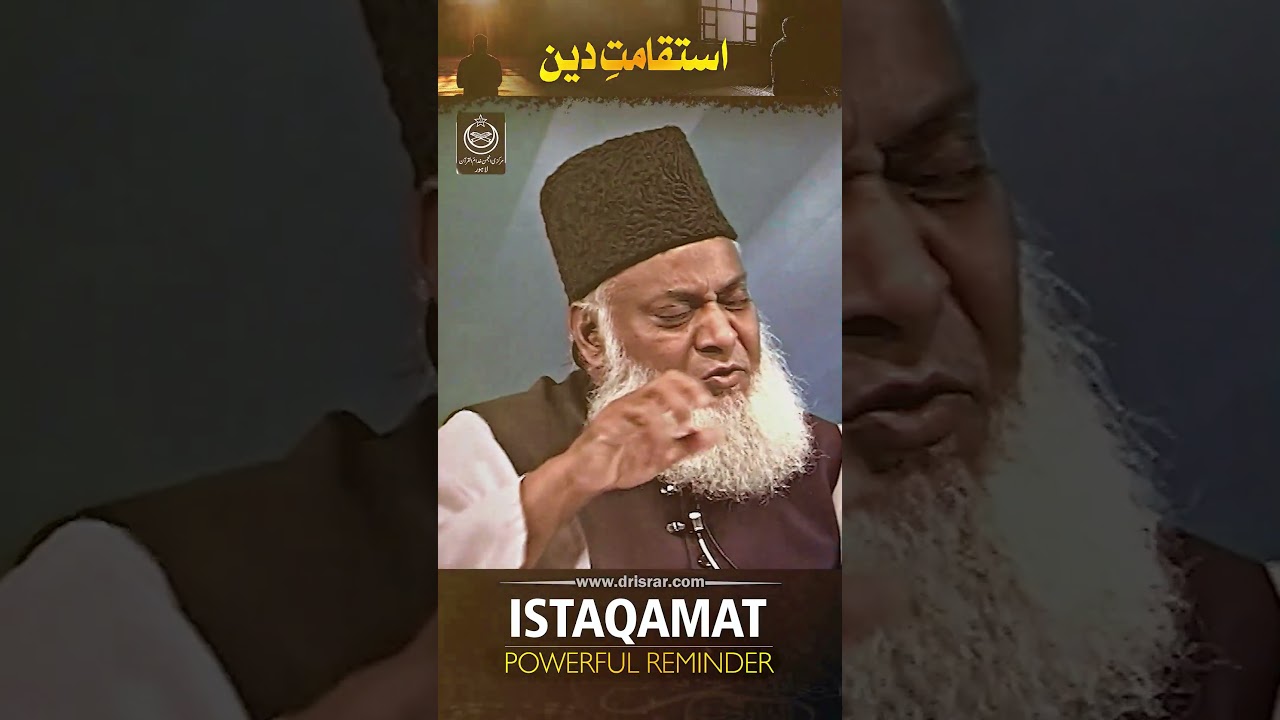
This lecture explores the essence of true faith, emphasizing steadfastness (istiqamat) as the ultimate test and pinnacle of belief. It clarifies that simply professing faith in Allah is insufficient; genuine commitment requires unwavering resolve, complete trust in His decisions, and diligent obedience to His commands. The core message centers on achieving inner peace and contentment through complete surrender to Allah, recognizing Him as the sole provider, healer, and sustainer. This state of unwavering conviction is described as the highest form of faith, exemplified by the verse referencing those who steadfastly declare, “Our Lord is Allah,” and remain firm in their belief. Achieving this inner certainty is the ultimate goal of a believer’s life.
77

This world is fundamentally incomplete from the perspective of moral law. Physical laws operate with absolute certainty – transgression leads to consequence. However, moral failings, like lying or theft, often go unpunished in this life. This creates an inherent imbalance. A complete moral order, and the corresponding consequences for actions, necessitates another world, another existence where justice prevails. The speaker emphasizes the deficiency of this world’s system of accountability and advocates for a realm where moral principles are fully realized and upheld.
50
