Kurze Hose

Companions of the Prophet Muhammad (peace be upon him) expressed their distress regarding increasing hardships. The Prophet (peace be upon him) reminded them that previous followers of Islam faced even greater trials, including being burned alive, buried alive, and dismembered. He emphasized the importance of patience and perseverance, stating that trials are a test from God and that relief will come in due time. He cautioned against impatience and assured them that enduring hardship is a characteristic of true believers.

74
The Sirat is described as a narrow bridge spanning Hell, shrouded in intense darkness. Those with faith and righteous deeds will be guided by an inner and right-hand light, allowing them to cross safely into Paradise. Conversely, those lacking faith and good deeds will stumble, fall, and be cast into Hellfire. This inner light, emanating from faith and righteous actions, illuminates the path for the believers, while the unrighteous will face a treacherous journey and ultimate damnation. The Sirat is a test of one's spiritual state and a decisive factor in their eternal destiny.
43
God dispatched messengers with clear miracles and revealed scriptures, including the ‘Mizan’ (scale of justice), to establish justice among people. The purpose of prophets, messengers, and the revelation of books is fundamentally to guide humanity toward equitable conduct and a just society. This lecture explores the divine rationale behind these actions and their impact on human existence.
40
The Prophet Muhammad (peace be upon him) relayed a divine tradition: every act of worship benefits the individual, except fasting. Fasting is exclusively for God, and He alone will reward it directly. This emphasizes the unique nature of fasting as an act of devotion solely directed towards God, differing from other acts of worship where benefits are also reaped by the worshipper. It highlights the direct connection between the fasting person and God, and the certainty of divine recompense. The core message focuses on revitalizing the human spirit and strengthening its connection with the Divine.
49

This lecture emphasizes the immense disgrace of the Hereafter compared to worldly humiliation. It stresses the importance of seeking refuge with Allah from both, highlighting that the exposure of sins before all of creation will be a severe reckoning. The speaker urges consistent supplication to Allah for protection from disgrace in this world and the next, requesting His covering mercy and concealment.
69
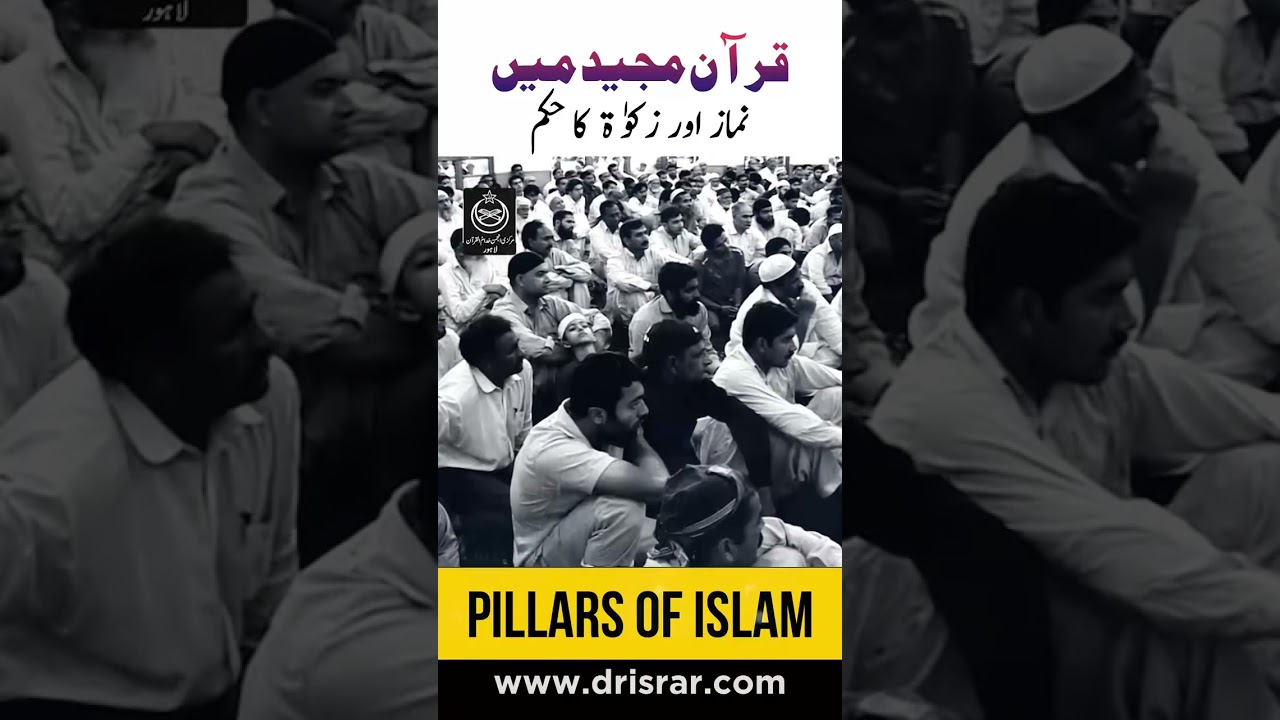
The Quran places significant emphasis on the performance of Salah (prayer) and Zakat (charity), repeatedly outlining their importance. While instructions regarding fasting and Hajj are present, the Quran dedicates numerous verses to Salah and Zakat. The complete rulings on fasting are concentrated within six verses of Surah Baqarah, while mentions of fasting elsewhere primarily relate to expiation. Fasting, as an independent pillar of Islam, lacks the same consistent, detailed emphasis as Salah and Zakat throughout the Quran.
56
