Şort

The Prophet Muhammad (peace be upon him) stated that some individuals, despite lacking worldly access or social standing, hold a high status in the eyes of God. Even a casual oath uttered by them is honored by Allah. The Prophet (peace be upon him) highlighted the exceptional status of companions like Abu Huraira and Abu Dharr, equating observing Abu Dharr with witnessing the arrival of Jesus (peace be upon him). These individuals represent the truly successful and blessed.

73

Pre-Islamic Arabs practiced forms of worship that mirrored some Islamic rituals. While distorted, practices resembling prayer (salat) existed, although expressed through clapping and whistling. The pilgrimage to the Kaaba (hajj) was also common, though the Quraish limited their participation to Mina instead of Arafat. Animal sacrifice (qurbani) was routinely performed, and the core phrases of the pilgrim’s chant (talbiyah) remained largely unchanged. These practices demonstrate a pre-existing spiritual inclination among the Arabs, which Islam later refined and perfected.
59

This lecture discusses the proper method of offering advice to fellow Muslims. It emphasizes that correction should be done privately and with good intentions, focusing on helping the individual improve without causing public embarrassment or damaging their reputation. The speaker stresses the importance of Muslims acting as mirrors for one another, gently pointing out flaws with the aim of betterment, not humiliation. The core principle is to offer guidance with sincerity and a desire for the other person’s well-being, fostering a supportive and constructive environment.
63

This lecture explores the Prophet Muhammad’s (peace be upon him) acknowledgement of uncertainty regarding the timing of divine victory. The Quranic verses cited reveal that even the Prophet did not know whether the promised events were imminent or distant. This highlights a crucial understanding: knowledge of the unseen rests solely with God. The lecture emphasizes that such knowledge is not granted to even the most revered messengers, and that uncertainty about the future is a natural human condition. The verses also suggest that trials and tribulations may be part of the divine plan, serving as both tests and opportunities for growth. The core message is acceptance of divine will and a focus on present action rather than speculation about the future.
45
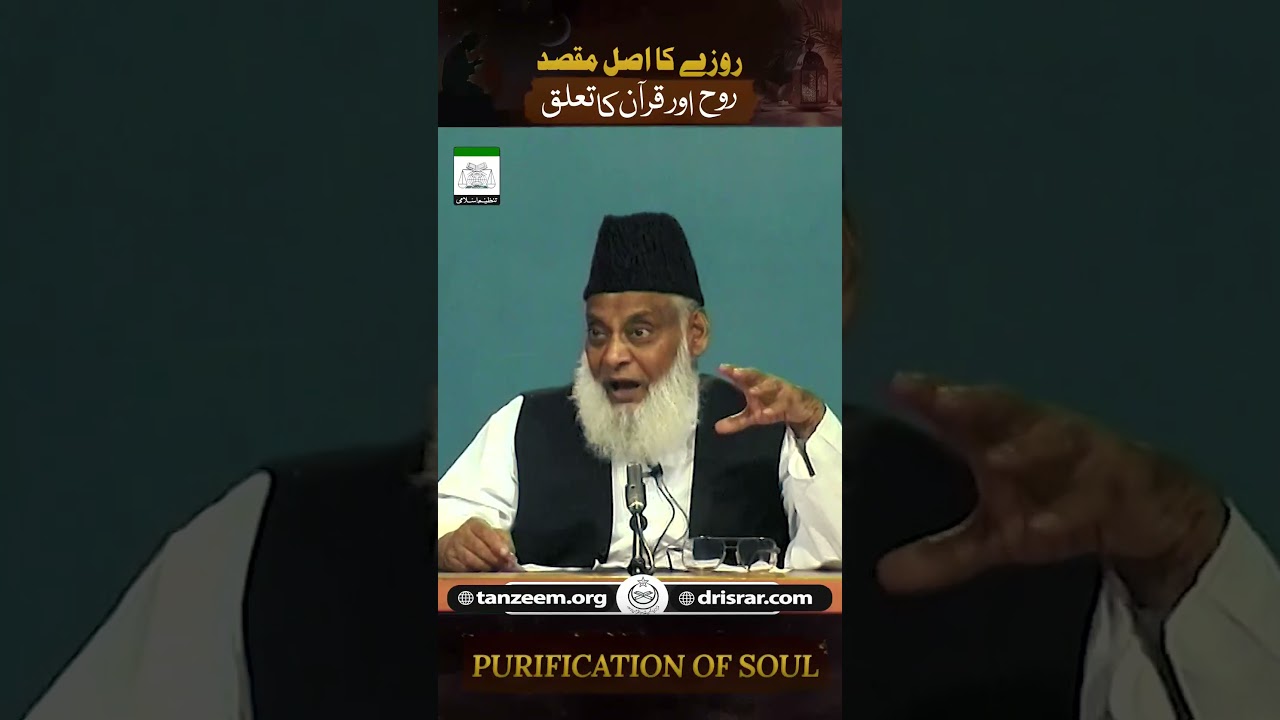
Fasting provides relief to the soul burdened by worldly desires, reducing the weight of the physical self. This spiritual liberation allows for a deeper connection with the Divine. The essence of fasting lies in the soul’s return to its origin, acknowledging Allah’s greatness and expressing gratitude. Upon regaining consciousness, the soul is revitalized and directed towards its true source. Just as all things return to their origin, our physical existence returns to the earth after death, while the soul returns to its Creator. This connection with Allah, expressed through prayer and supplication, is the ultimate objective of observing the fast. The fast isn’t merely abstaining from food and drink; it is a pathway to spiritual renewal and a return to one’s divine source.
71

During a gathering, a young, frail boy named Ali, approximately ten or eleven years old, with visibly affected eyes, volunteers to accompany the group despite his physical limitations. He acknowledges his youth, thin legs, and impaired vision, yet resolutely offers his support. This act evokes laughter and signifies a shift in perspective, highlighting the power of unwavering commitment even from the most unexpected sources. The speaker then issues a call to action, encouraging everyone to rise and participate.
61
