Kurze Hose

When the Prophet Muhammad arrived in Medina, he observed that the Jewish community fasted on the tenth of Muharram (Ashura), commemorating the day the Israelites were saved from Pharaoh and his army. They explained this was a day of thanksgiving. The Prophet stated that Muslims, as followers of Moses, had a greater right to commemorate this event. He instructed Muslims to fast on both the ninth and tenth of Muharram to distinguish themselves from the Jews, who only fasted on the tenth. This practice marks the beginning of observing days of worship based on the traditions of earlier communities present in Medina.

48
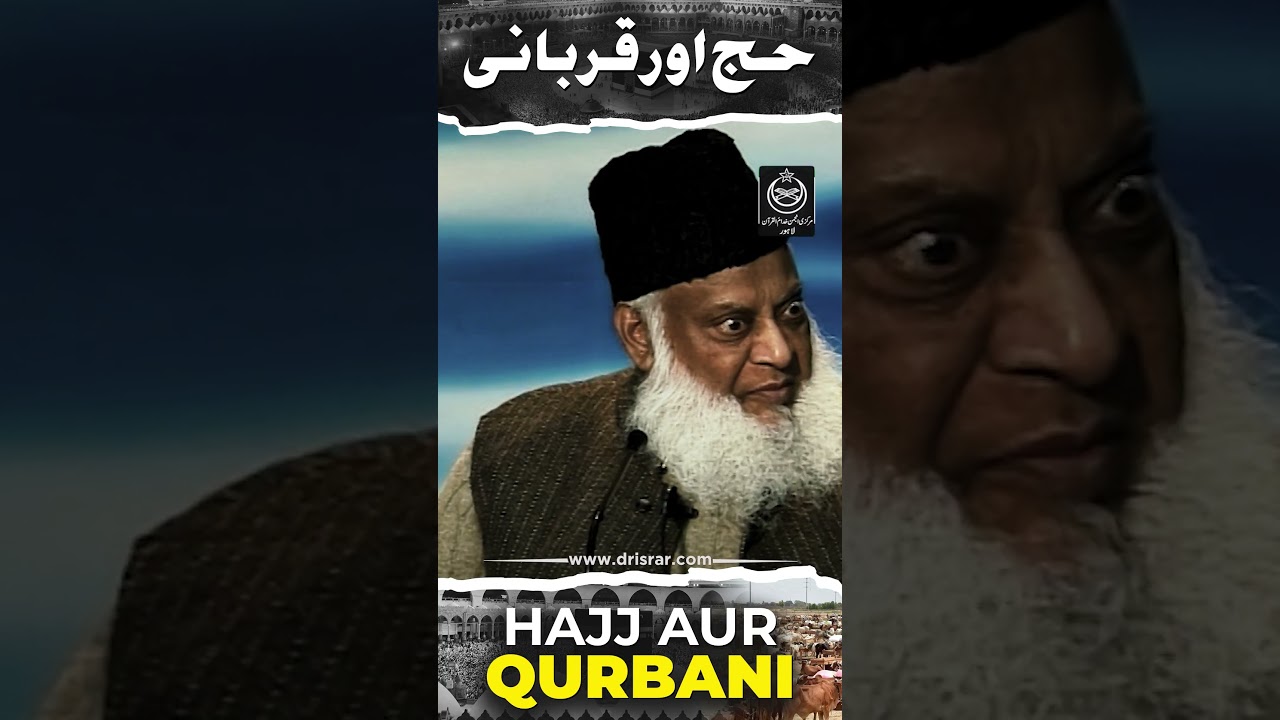
This lecture explains how Eid al-Adha, with its central practice of sacrifice, represents a broadening of the sacred experience of Hajj. The speaker highlights that while not everyone can physically perform Hajj, participating in the sacrifice of Eid al-Adha allows Muslims worldwide to share in that same spiritual objective. The discussion draws parallels between certain restrictions observed during Hajj and those followed during the days of sacrifice, noting similarities in ritual practices. The core idea presented is that Eid al-Adha extends the spirit of devotion and unity inherent in Hajj to all Muslims, regardless of their geographical location or ability to travel to Mecca.
70
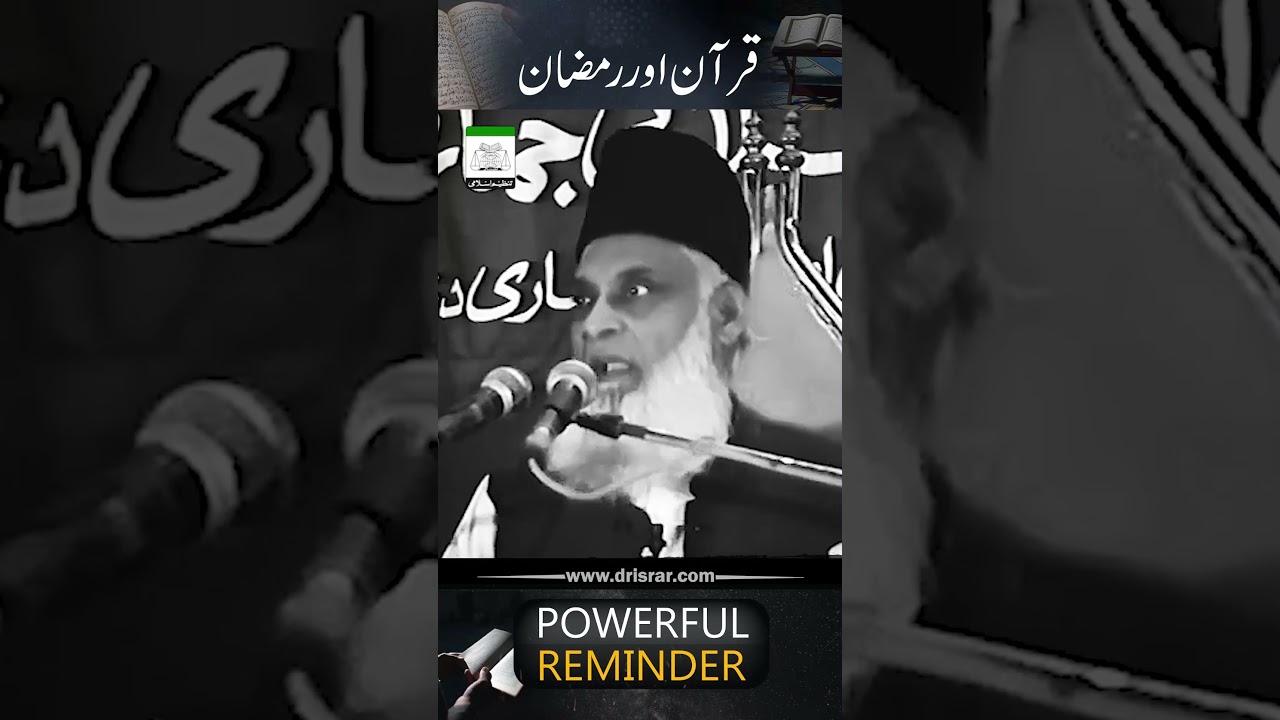
This lecture emphasizes the importance of reciting the Quran correctly and consistently, both day and night, and actively sharing its message with others. The speaker urges listeners to disseminate knowledge of the Quran to the best of their ability, ensuring no one is deprived of its guidance. Every individual is encouraged to teach what they’ve learned, recite what they’ve memorized, and explain what they understand, transforming this into a widespread movement dedicated to returning to the Quran. This is a call to prioritize and propagate the teachings of the Quran in all aspects of life.
60
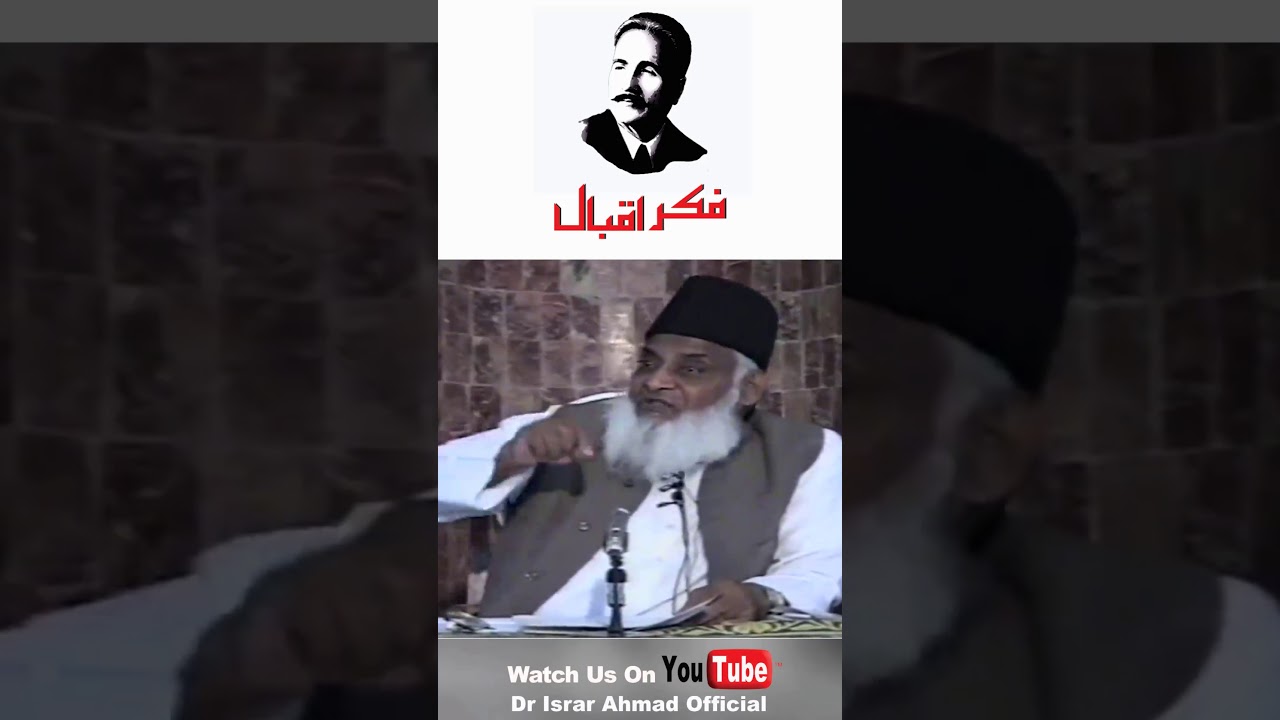
Iqbal critically analyzes modern ideologies, identifying secularism and nationalism as significant threats—forms of idolatry—to Islamic faith and societal values. He posits that prioritizing the nation-state over faith creates a new form of worship, eclipsing the divine. Iqbal warns that materialism, prevalent in contemporary civilization, further exacerbates this spiritual crisis. He emphasizes the strength of Islam and calls for a return to its principles, urging Muslims to resist these destructive ideologies and uphold their faith. He views the current age as marked by intense emotional fervor and the corruption of religious values.
62

God revealed that He would bestow the guidance, delivered through revelation, as mentioned in the final verses of Surah Al-Baqarah. This guidance was initially communicated to Adam, informing him of his role as the vicegerent on Earth and the temporary nature of his existence in Paradise. The message conveyed that all future guidance for prophets would follow this same path. Adherence to this divine guidance guarantees security and salvation, while rejection leads to the fires of Hell.
64

This lecture explains the process of self-purification (Tazkiya-e-Nafs) using the analogy of a gardener tending to a garden. Just as weeds hinder the growth of plants by consuming vital nutrients and water, negative traits and obstacles impede human spiritual development. The gardener actively removes these impediments to allow the desired plants to flourish. Similarly, Tazkiya involves identifying and eliminating the internal barriers that prevent true growth and realizing one’s potential. This process is essential for achieving genuine spiritual progress.
91
