Kratke hlače

When the Prophet Muhammad arrived in Medina, he observed that the Jewish community fasted on the tenth of Muharram (Ashura), commemorating the day the Israelites were saved from Pharaoh and his army. They explained this was a day of thanksgiving. The Prophet stated that Muslims, as followers of Moses, had a greater right to commemorate this event. He instructed Muslims to fast on both the ninth and tenth of Muharram to distinguish themselves from the Jews, who only fasted on the tenth. This practice marks the beginning of observing days of worship based on the traditions of earlier communities present in Medina.

48

This lecture challenges conventional definitions of success, which often equate it with wealth, property, or business expansion. It asserts that true success lies beyond material possessions and external achievements. The speaker contends that societal perceptions of success are flawed, and genuine fulfillment stems from something deeper than worldly gains. The core message emphasizes a shift in perspective, urging listeners to redefine success based on intrinsic values rather than external metrics.
233

During the Hijra, when the Prophet Muhammad (peace be upon him) and Abu Bakr (may Allah be pleased with him) were in the cave of Thawr, they feared discovery. Abu Bakr expressed concern that even a glance inside would reveal them. The Prophet reassured him, reminding him of God’s support. Consequently, Allah sent down tranquility upon them and reinforced them with unseen forces. This event resulted in the subjugation of the disbelievers and the ultimate triumph of Islam throughout the Arabian Peninsula. God’s word is supreme, and He is the Most Powerful, the Most Wise.
66

This lecture discusses humanity’s trial within life, emphasizing a decline from the original purpose of establishing divine guidance on Earth. It reflects on the current state of Muslims globally, questioning the presence of Islamic principles—prayer, fasting—without the accompanying just system and true faith. The speaker asserts that humanity has become deserving of divine punishment, mirroring the fate of earlier nations. The core message centers on accountability and the necessity of aligning actions with true Islamic values.
58
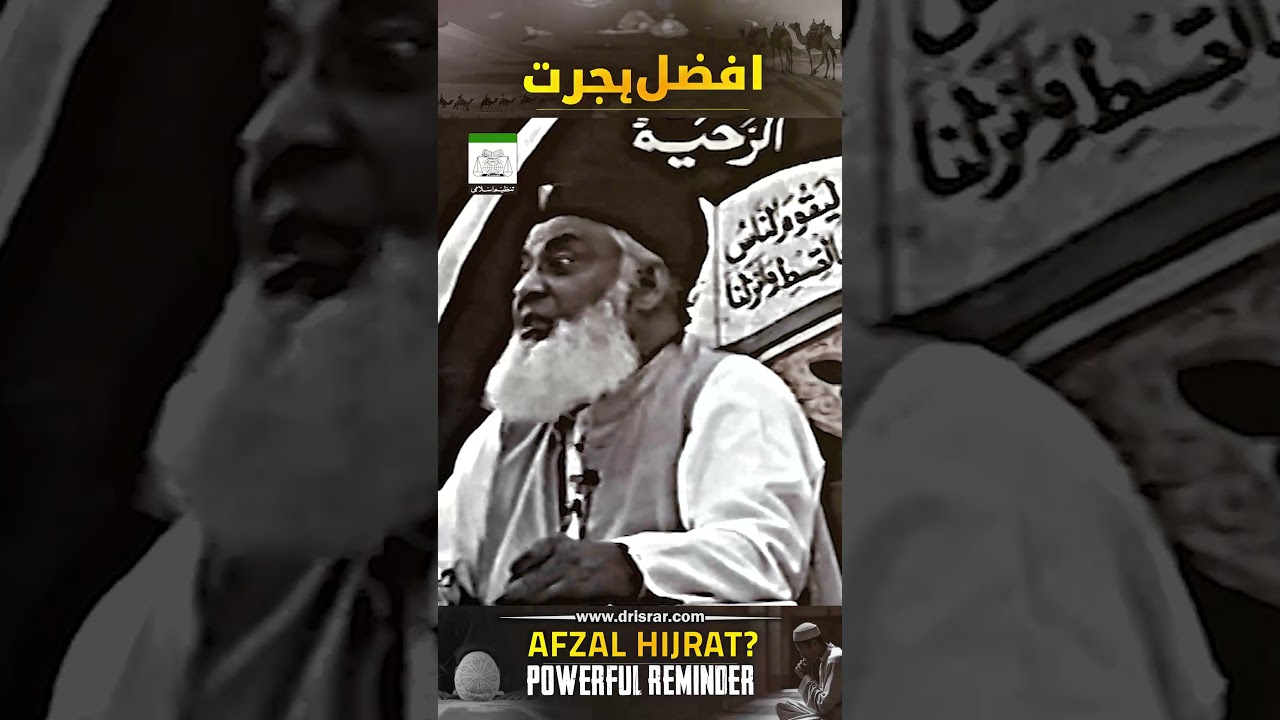
This lecture explains that true migration (Hijrat) isn’t necessarily physical relocation, but rather abandoning disobedience and striving for obedience to God. It's a continuous internal struggle (Jihad) against base desires and harmful habits. The most superior migration is renouncing everything displeasing to God, even while remaining in one’s home and among family. This internal shift, a detachment from the prohibited, constitutes genuine Hijrat.
69
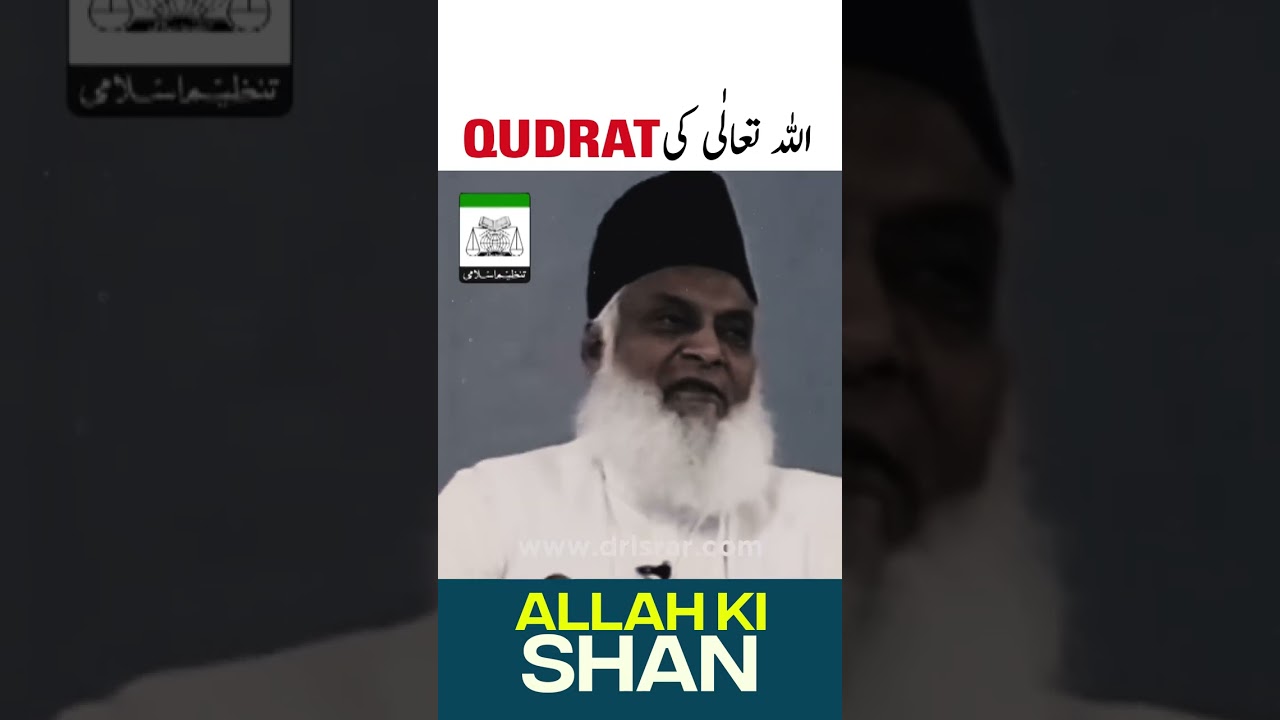
This lecture explains that Allah is all-powerful and supreme over everything. Human capability, however, is limited and borrowed. The power granted to humans is not inherent but a gift from Allah, making it temporary and finite. This distinction is central to understanding the concept of *shirk* (associating partners with Allah). Allah’s existence is eternal and limitless, while created beings, including human abilities, are contingent, temporary, and limited. True power resides solely with Allah.
59
