Shorts
This reflection contemplates the human condition, questioning the meaning of existence beyond mere biological survival. It explores the stages of life – childhood, adolescence, youth, and old age – and asserts that true life transcends this temporary physical realm. The speaker posits that our earthly existence is a brief, evaluative period—a test—within a larger, eternal reality. This life is not the entirety of being, but a small segment, a temporary pause before returning to a perpetual, youthful existence. The core message is that the purpose of life lies beyond this transient world, within a spiritual and enduring context.

65
Salvation is not attainable through personal effort alone; it is contingent upon divine mercy, as all humans are prone to error. The Quranic verse emphasizes that while everyone makes mistakes, the best among them are those who sincerely repent. Achieving God’s mercy requires faith, righteous deeds, patience, and striving towards truth. It is a believer’s duty to exert their utmost effort in seeking divine favor, recognizing that ultimate salvation rests solely with God.
56

This lecture discusses the story of Adam (peace be upon him) and his repentance after disobeying Allah's command. It highlights the acceptance of his repentance and the subsequent decree that Earth is his domain and that of his descendants. The lecture emphasizes the importance of following divine guidance when it is revealed, and the consequences of rejecting it. It explains that Adam’s progeny are tasked with upholding this divine trust and that accepting guidance leads to security and salvation. The core message centers on forgiveness, the purpose of human life on Earth, and the perpetual need to seek and adhere to divine direction.
58
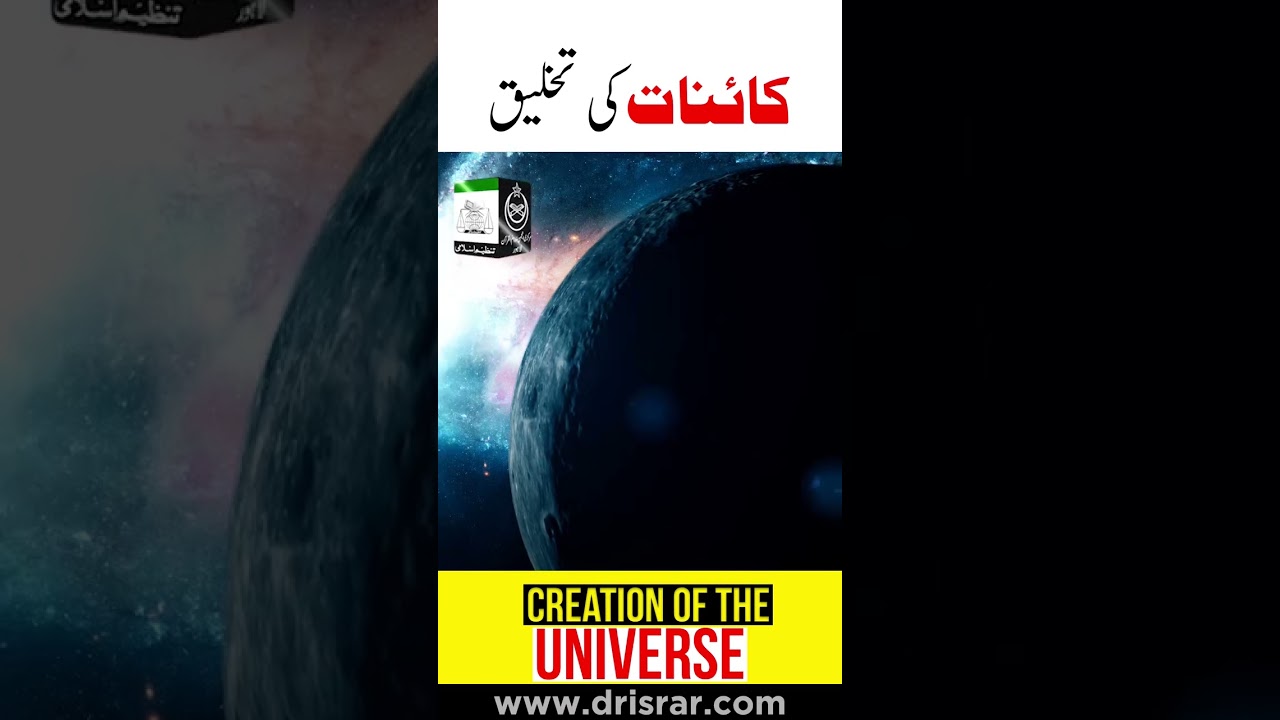
Historically, the prevailing scientific understanding, rooted in Newtonian physics, posited an eternal and indestructible universe. However, modern physics has established that the universe had a definite beginning, known as the Big Bang. This event, occurring billions of years ago, marked the creation of the universe from an extremely dense and hot state. This represents a fundamental shift in cosmological understanding.
68

This lecture emphasizes that prayer (dua) is the core of worship. God hears and responds to every sincere call, irrespective of the supplicant’s location or posture. God accepts prayers offered from any place, whether at home or elsewhere, and responds to those who turn to Him with devotion. The essence of faith lies in maintaining a constant connection with God through heartfelt supplication.
25

Accountability in the Hereafter exists regardless of prophetic guidance. Humans are inherently equipped with intellect and a moral compass to distinguish between right and wrong. The basis of this accountability stems from the inherent trial of human existence, as stated in the Quran. God created humanity from a mingled sperm and subjected them to trials, bestowing upon them hearing and sight, and granting them intellect and the faculty of discernment. Individuals will be held accountable for utilizing these faculties. The standard of judgment for those who did not receive a prophetic message is based on their inherent belief in one God and their performance of general good deeds versus evil acts, rather than adherence to specific religious rituals.
65
