Corti
During standing in prayer (namaz), it is permissible to look at the mosque wall or generally around. The gaze should remain focused on the spot where one prostrates. Raising the head and looking around or upwards at the sky is strongly discouraged. Maintaining focus on the prayer spot is essential for proper concentration and devotion.

79
This lecture addresses the question of whether sincere repentance absolves a murderer of all consequences, both in this life and the afterlife. It clarifies that while Allah is merciful and can forgive, the rights of the victim ('diya') must be addressed. Repentance does not negate worldly justice; the perpetrator still faces legal consequences. True repentance stems from the depths of the heart and leads to divine forgiveness. Allah will compensate the victims in the hereafter from His vast treasures. The lecture emphasizes that repentance is a process, not a mere declaration, and does not exempt one from accountability for their actions.
61
Pride, or *takabbur*, is presented as a grave sin in Islam, likened to attempting to strip a divine covering from God. This lecture explains that arrogance isolates individuals from divine grace, referencing a hadith stating that no one with even a speck of pride in their heart will enter Paradise. The act of removing someone’s shawl is described as a profound dishonor in Arab and Pashtun cultures, and pride is similarly presented as a transgression against God. It’s emphasized that God alone deserves such grandeur, and arrogance is a rejection of divine majesty. The lecture highlights that true humility is essential for spiritual growth and acceptance by God.
105
This lecture clarifies the true meaning of ‘Uswa-e-Hasana’ (the excellent example) as revealed in the Quran, specifically during the Battle of the Trenches. It moves beyond superficial interpretations like simply growing one's beard or raising trousers above the ankles. The core of the prophetic example lies in actively confronting falsehood, even at the cost of life and possessions. True adherence to the Prophet's way is demonstrated through unwavering struggle against evil, not merely through ritualistic observance of religious practices while remaining complacent in the face of injustice. It challenges the notion of a comfortable faith and emphasizes the proactive struggle against falsehood as the essence of the prophetic example.
89
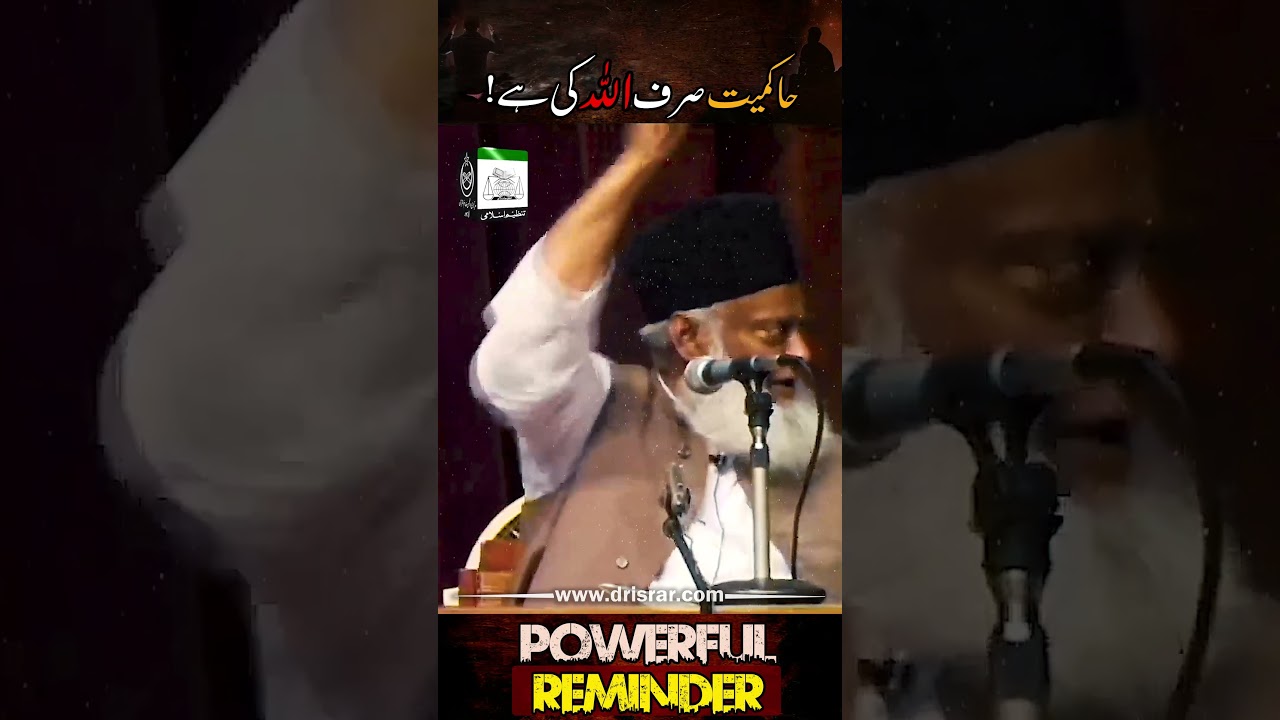
This lecture asserts that true sovereignty rests solely with God, rejecting the concept of human or national governance. It emphasizes that ownership, in its entirety, belongs to God, with all possessions – including one’s own body and progeny – being held in trust. The discussion refutes any form of human rule, whether individual kingship, national dominion, or popular sovereignty, deeming them forms of associating partners with God. The speaker stresses that God, or His appointed representatives, are the sole law-givers, and true authority emanates only from the Divine.
65
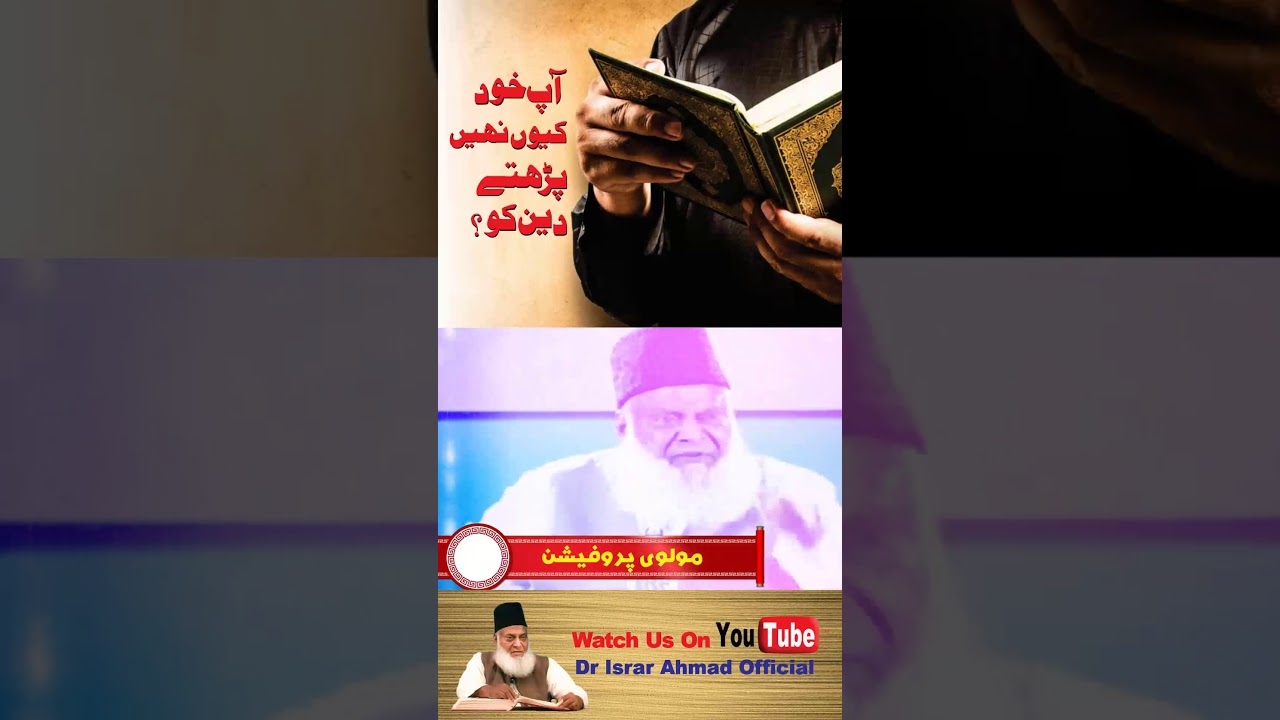
This lecture addresses the importance of individual engagement with religious teachings and self-reflection. It critiques the professionalization of religious roles, arguing that every Muslim should be capable of leading prayers, performing marriage ceremonies, and conducting funeral rites. The speaker emphasizes that religious knowledge and practice should not be limited to a select few, but accessible to all Muslims. The core message urges listeners to examine their own faith and commitment to religious principles instead of criticizing religious scholars.
223
