निकर
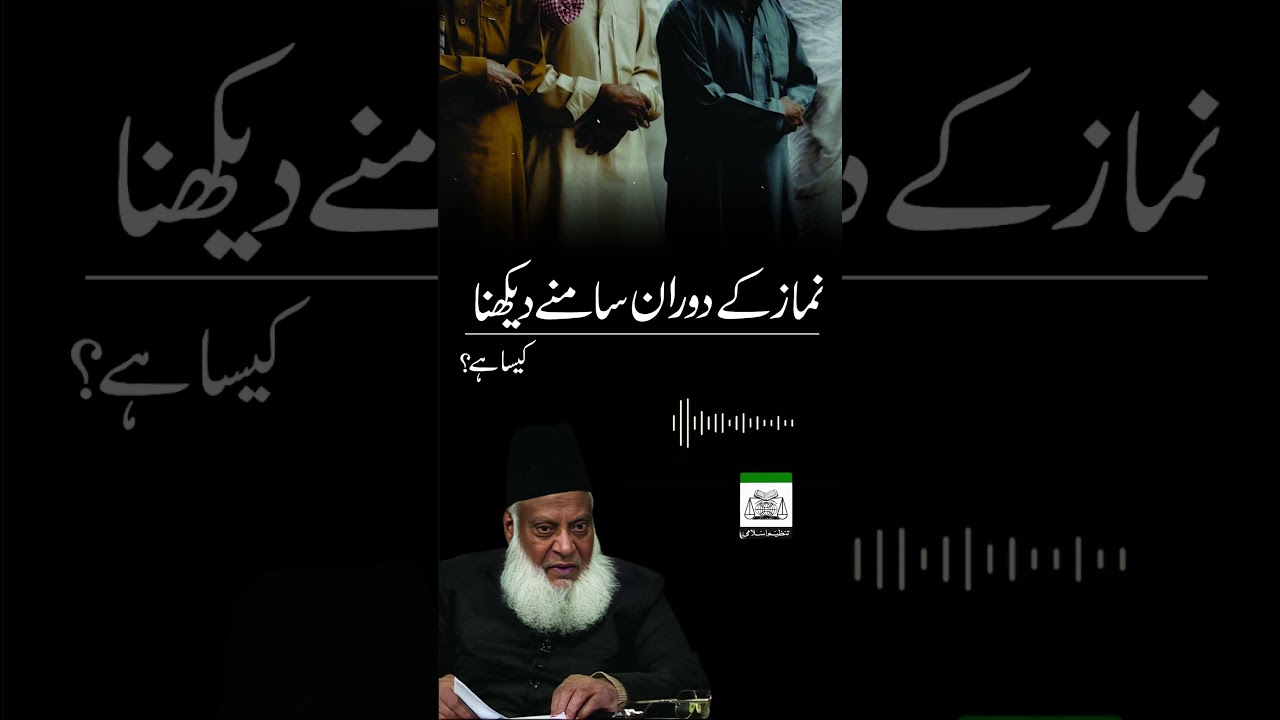
During standing in prayer (namaz), it is permissible to look at the mosque wall or generally around. The gaze should remain focused on the spot where one prostrates. Raising the head and looking around or upwards at the sky is strongly discouraged. Maintaining focus on the prayer spot is essential for proper concentration and devotion.

79

This lecture explores the concept of attaining spiritual proximity to God through the practice of *nawafil* (voluntary prayers). It details how consistent devotion can lead to a state where the devotee experiences God’s presence in their senses—seeing with God’s sight, hearing with God’s hearing, acting with God’s hands, and walking with God’s feet. This concept, supported by a *hadith qudsi*, signifies a profound level of spiritual union and is acknowledged even by those who may not traditionally align with Sufi interpretations. The discussion emphasizes the transformative power of sincere worship and its capacity to elevate one's spiritual experience.
70

This excerpt emphasizes the Quran as a profound blessing and healing from Allah. It highlights the Quran as a source of guidance, mercy, and a testament to Allah’s grace. The text stresses that true joy should stem from possessing this divine gift, as it surpasses all worldly possessions. It’s a reminder to cherish and internalize the Quran's message for lasting happiness and spiritual fulfillment.
50
Khilafat, at its core, represents the implementation of oneness (tauheed) at a governmental level. It signifies the elimination of shirk (polytheism) in all its forms. Shirk manifests not only in belief but also subtly through hypocrisy and impure intentions. The most significant form of shirk, however, is the assertion of authority by anyone other than Allah. Sovereignty and the right to govern belong exclusively to Allah. Establishing a Khilafat system, therefore, is to implement tauheed in governance, rejecting any claim to authority outside of divine decree.
71

Human life is defined by struggle and hardship, as ordained by creation. Individuals face varying degrees of mental and physical exertion, with disparities in access to basic necessities like food. This often leads to health issues and anxieties about the future. The cycle of life, bound by limitations and sorrow, prompts the question of finding liberation from suffering before death. This universal human condition highlights the inherent challenges and search for meaning within existence.
56

Shirk fi zāt, considered the most egregious form of polytheism, involves associating partners with God's very essence. This belief, tragically prevalent amongst some communities claiming Abrahamic lineage, manifests as attributing offspring to God. The argument posits that just as offspring inherit traits from parents, a divine 'offspring' would necessarily share God's attributes, thereby equaling God. This concept fundamentally contradicts the absolute uniqueness and transcendence of God, and is a severe transgression. It represents the ultimate in associating partners with God, exceeding even the worship of idols.
56
