Kurze Hose
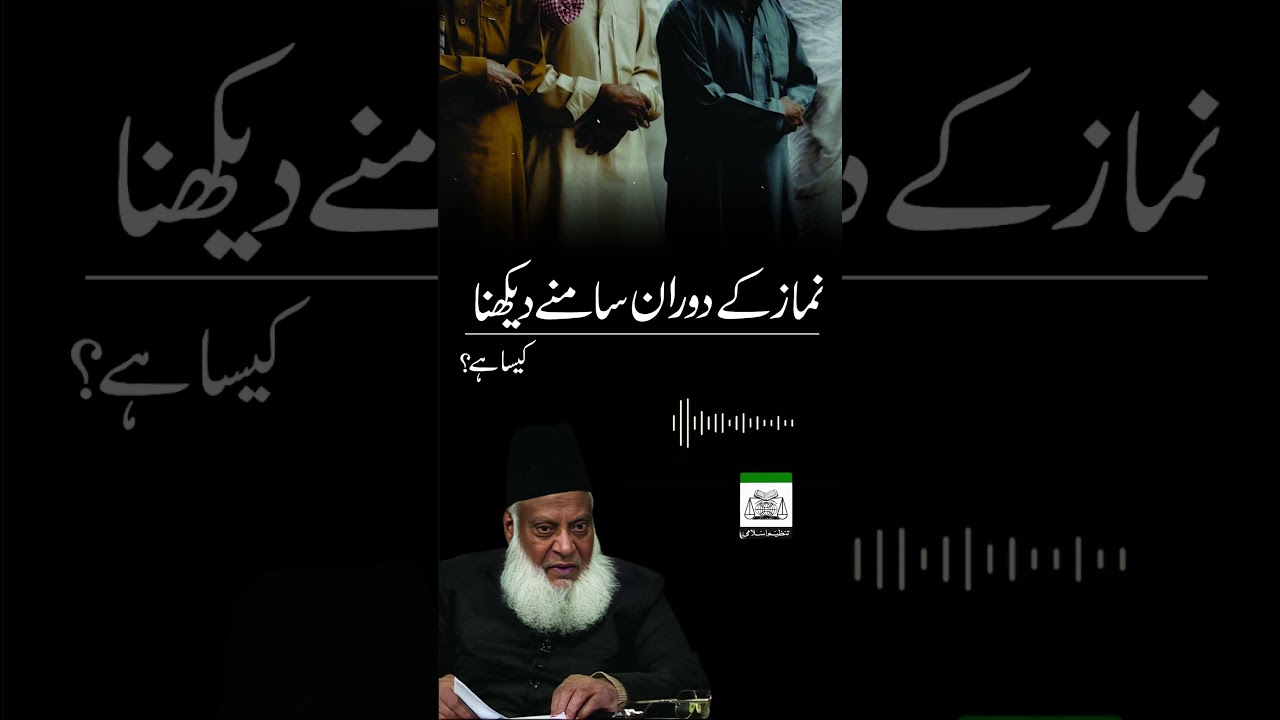
During standing in prayer (namaz), it is permissible to look at the mosque wall or generally around. The gaze should remain focused on the spot where one prostrates. Raising the head and looking around or upwards at the sky is strongly discouraged. Maintaining focus on the prayer spot is essential for proper concentration and devotion.

79

True worship begins with obedience, but its essence is love. Obedience is the visible form, while love is the underlying spirit. Complete obedience to Allah involves total submission at all times. The path to Allah's obedience is through obedience to His Messenger, Muhammad (peace be upon him). One must strive to reach a level of devotion where the Prophet is more beloved than one's parents and children, and all of mankind. This devotion is a prerequisite for true faith. Without this level of love for the Prophet, all other actions are meaningless.
40
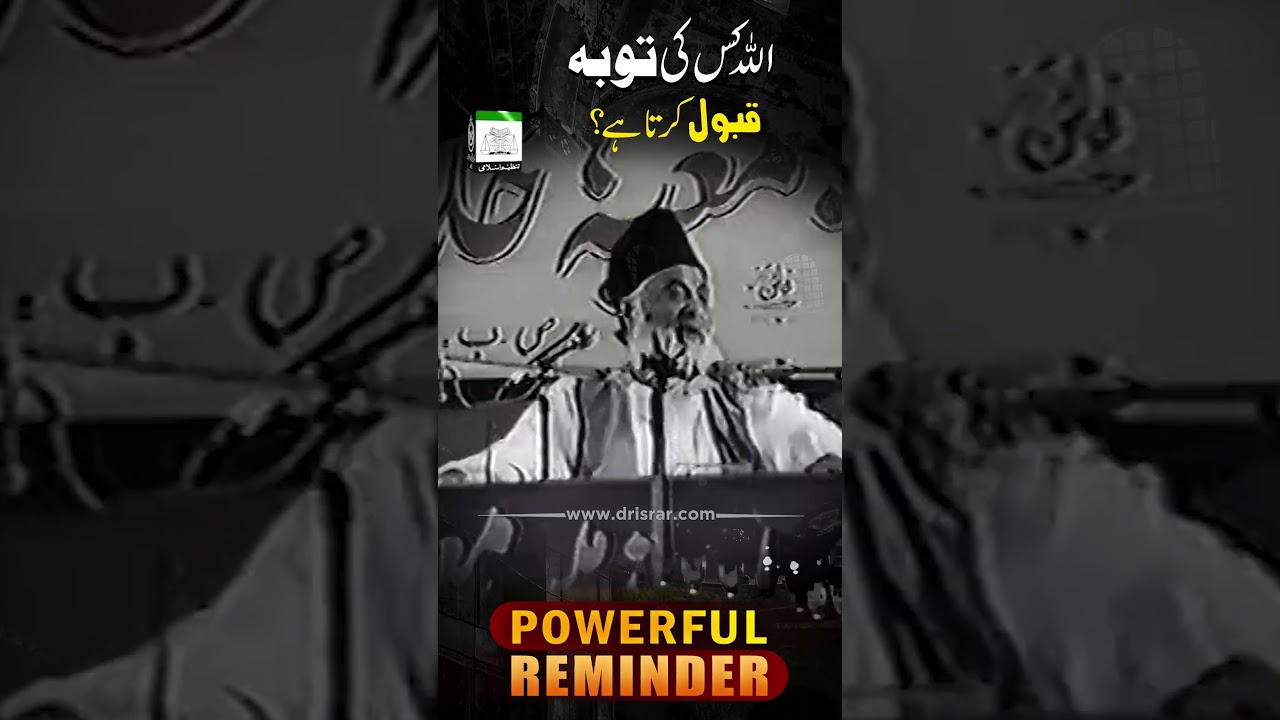
Everyone is susceptible to error, whether through momentary lapses in judgment, the influence of negative companionship, or impulsive actions. The core message is that faith provides a pathway to immediate repentance. Delaying repentance is detrimental. Allah SWT has explicitly taken responsibility for accepting the sincere repentance of those who, despite momentary weakness, turn back to Him with genuine remorse. The Quranic verse from Surah Dasa highlights Allah’s commitment to accepting the repentance of those who sincerely seek forgiveness. True repentance guarantees acceptance and a fresh start.
63

True piety (taqwa) isn't about outward appearances or rituals, but an internal state of consciousness and unwavering faith. It’s a complete immersion of one's personality in the principles of divine guidance. Genuine piety manifests as a consistent effort to please God and avoid disobedience, permeating the entire being with a distinct spiritual color. It resides in the heart and is intrinsically linked to faith. The Prophet Muhammad (peace be upon him) repeatedly pointed to his chest to emphasize that piety dwells within the heart, not in external displays.
39

This lecture clarifies the true meaning of righteousness (nichat) in Islam. It emphasizes that outward displays of devotion, like facing east and west, are insufficient. Genuine righteousness stems from sincere faith in God, the Day of Judgment, angels, scriptures, and the prophets. The Quran defines this inner faith and commitment as the core of true piety and virtue.
50

The history of Islam and Muslims reveals a pattern of rise and decline. Initially unified, Islam flourished during the Rashidun Caliphate. Post-Caliphate, while Islam experienced decline, Muslim power continued to ascend, reaching its peak. Subsequently, Muslims also faced decline, followed by a resurgence. The Tartars, despite inflicting immense casualties on Muslims, ultimately converted to Islam and became its champions. Successive Turkic dynasties—Timurids in India, Safavids in Iran, Seljuks in the Middle East, and Ottomans—led Islamic power for centuries. The Ottoman Caliphate held prominence for four hundred years, before ultimately declining after World War I.
60
