निकर
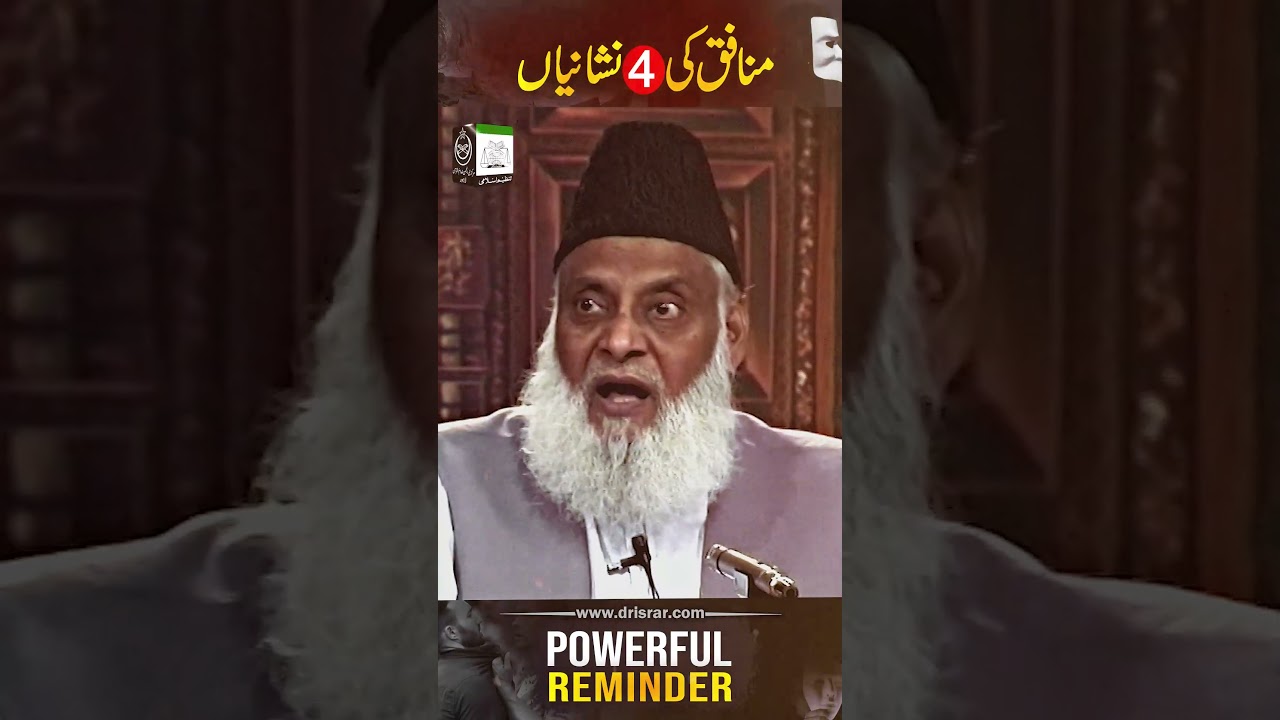
This lecture details the four characteristics that define a complete hypocrite, and the presence of even one of these traits indicates a degree of hypocrisy. These characteristics are: disloyalty when entrusted, lying when speaking, breaking promises, and losing control during disputes, escalating to abusive language and physical aggression. The speaker explains that true conflict resolution requires self-control and adherence to truthfulness, while the traits of a hypocrite lead to societal breakdown and discord. The lecture emphasizes that even a small amount of hypocrisy can be damaging and requires immediate self-correction.

66

True faith necessitates prioritizing devotion to God above all else, even familial bonds. This lecture explores the conditions for attaining genuine faith, emphasizing that complete obedience to God is a continuous struggle against internal desires and external temptations. Four fundamental acts of worship are presented as pillars supporting a life of sincerity and devotion. The lecture stresses the difficulty of this pursuit, acknowledging the influence of the self and the constant efforts needed to overcome worldly inclinations. Genuine worship demands a wholehearted commitment, transcending mere ritualistic observance.
56

This lecture clarifies the Islamic principle regarding social, cultural, and regional traditions. It asserts that Islam allows the adoption of customs not conflicting with the Quran and Sunnah. The speaker emphasizes that adherence to practices solely because the Prophet Muhammad and his companions followed them is not obligatory. Practices are permissible if they align with Islamic teachings; otherwise, they remain optional. The core message is flexibility within the bounds of faith, acknowledging cultural variations while prioritizing religious guidance.
74
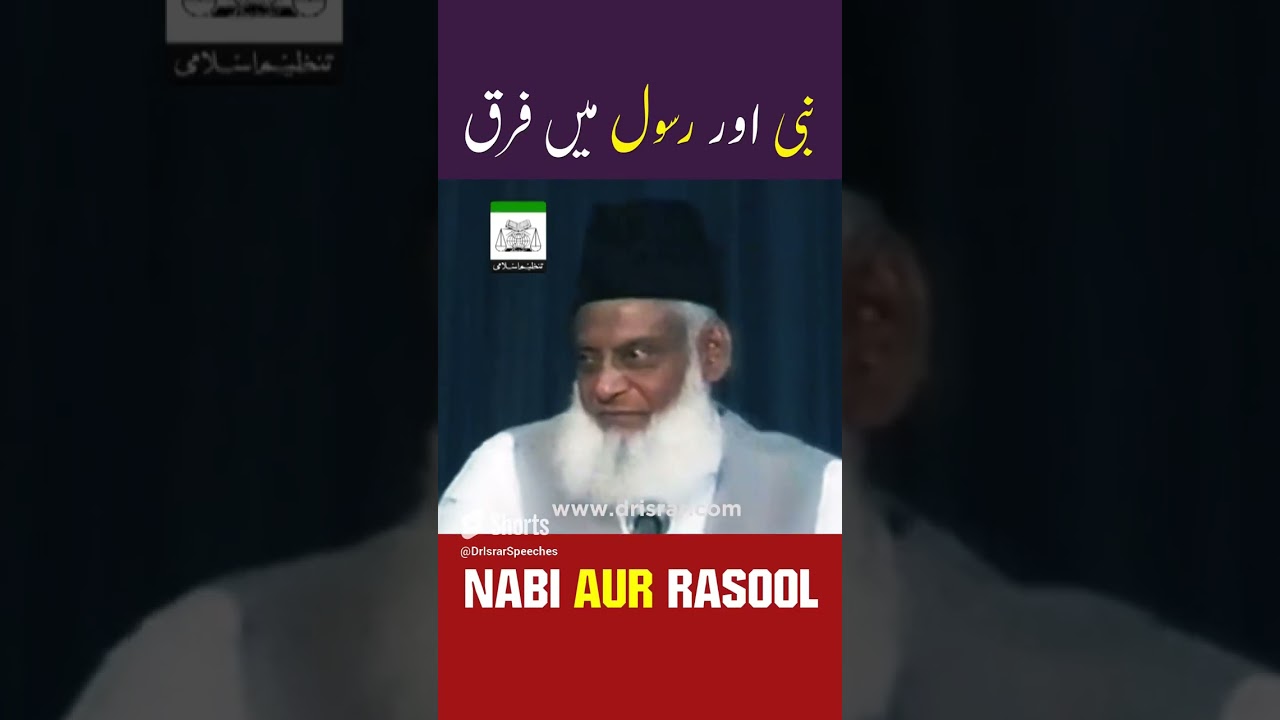
The lecture clarifies the distinction between a Nabi (prophet) and a Rasul (messenger), emphasizing that all Rasul are Nabi, but not all Nabi are Rasul. It focuses on the exemplary character of prophets, using the examples of Yusuf, Yaqub, and Ayyub to illustrate virtues like patience and righteousness. The talk highlights that prophetic figures embody moral excellence and serve as models for ethical conduct. The core message is that studying the lives of prophets reveals lessons in good character and spiritual strength.
53

Dr. Israr Ahmad explains that a lack of compassion and empathy leads to a deprivation of future blessings. True spirituality isn't solely defined by worship or asceticism, but by genuine concern for others' suffering. A shared experience of pain—empathy—connects individuals. Those who witness the pain of others but fail to offer assistance, despite having the capacity to do so, forfeit divine favor. The lecture stresses the importance of mutual support and shared sorrow within a community.
64
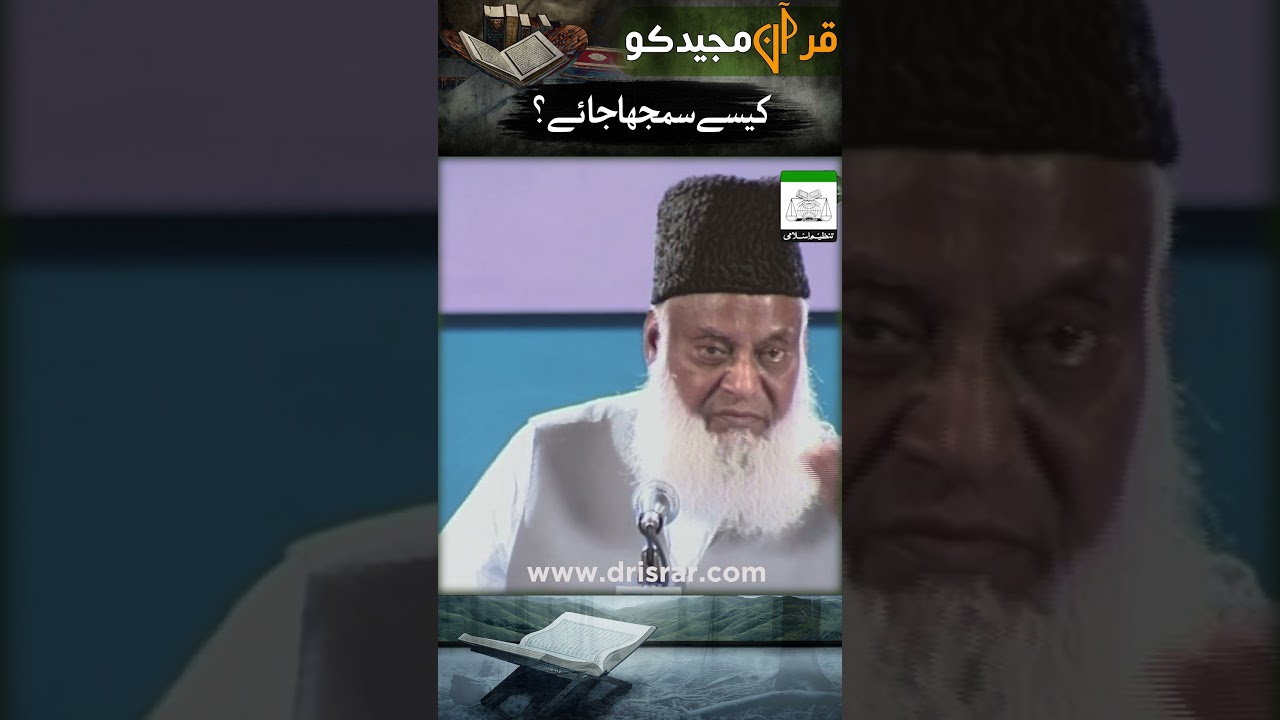
The Quran offers two levels of comprehension: understanding its lessons (tazkir bil Quran) and deeply reflecting upon it (tadabbur bil Quran). Tazkir bil Quran involves deriving moral and practical guidance. Tadabbur requires consistent contemplation and deeper analysis. Achieving success necessitates mastering both levels, as the principles derived from Tazkir form the logical foundation for the insights gained through Tadabbur. Understanding these levels leads to personal transformation, emphasizing the importance of faith, righteous deeds, truthfulness, and compassion. Those who embrace these principles avoid loss and attain spiritual fulfillment.
52
