מִכְנָסַיִים קְצָרִים
This lecture details the four characteristics that define a complete hypocrite, and the presence of even one of these traits indicates a degree of hypocrisy. These characteristics are: disloyalty when entrusted, lying when speaking, breaking promises, and losing control during disputes, escalating to abusive language and physical aggression. The speaker explains that true conflict resolution requires self-control and adherence to truthfulness, while the traits of a hypocrite lead to societal breakdown and discord. The lecture emphasizes that even a small amount of hypocrisy can be damaging and requires immediate self-correction.

66

This lecture details the practice of Itikaf, observed during the last ten days of Ramadan. It begins on the twenty-first night, immediately after the twentieth night concludes, and continues until the new moon of Shawwal is sighted, marking the end of Ramadan and the beginning of Eid. The discussion focuses on the proper method and significance of this devotional retreat.
163
True humanity is defined by setting and striving towards goals. Achieving any significant objective requires dedicated effort, perseverance, and self-discipline. Success demands overcoming base instincts and enduring hardship. Just as a diver must descend into the ocean to retrieve pearls, one must work tirelessly to attain a higher station in life. Those who seek elevation without exertion will find their lives wasted in futile thinking. Genuine progress necessitates consistent effort and a willingness to sacrifice comfort for achievement.
61
The term ‘Infaq’ in the Quran differs from general charity. It’s not limited to helping the poor, orphans, or the needy. Infaq specifically refers to spending in the way of Allah – for the propagation, elevation, and establishment of the religion. This spending, considered a loan to Allah, fuels the struggle for Islam's dominance. Supporting relatives is a personal obligation, while investing in the religion is a direct loan to Allah, a debt He Himself acknowledges. This concept distinguishes between familial support and investment in faith.
84
This lecture asserts that the ultimate right is the sovereignty of God, and its implementation is essential. Resistance to this divine right is considered rebellion. The speaker critiques secularism and popular sovereignty, arguing they contradict the fundamental right of God’s rule. True teaching of right involves facing resistance, while compromise and agreements that cause no harm are insufficient. The lecture emphasizes the importance of upholding God’s sovereignty even in the face of opposition.
56
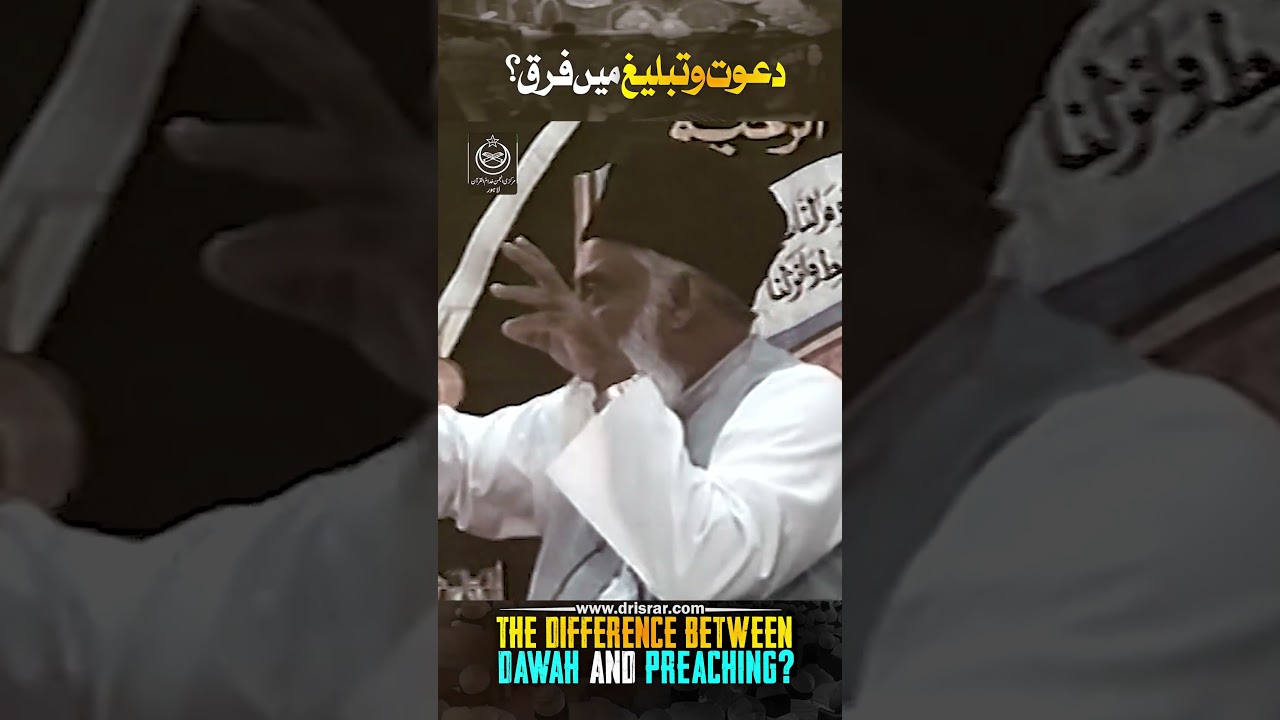
This lecture explores the dual nature of *dawat* (invitation) and *tabligh* (propagation). It clarifies that both involve conveying a message and guiding someone toward a particular path. *Dawat* focuses on reaching out and delivering the message, while *tabligh* emphasizes bringing someone along that path, accepting the invitation. The lecture highlights that these are not separate actions, but two sides of the same effort—communicating a message and encouraging acceptance. The speaker emphasizes the importance of conveying the message and guiding others towards righteousness.
53
