Kratke hlače
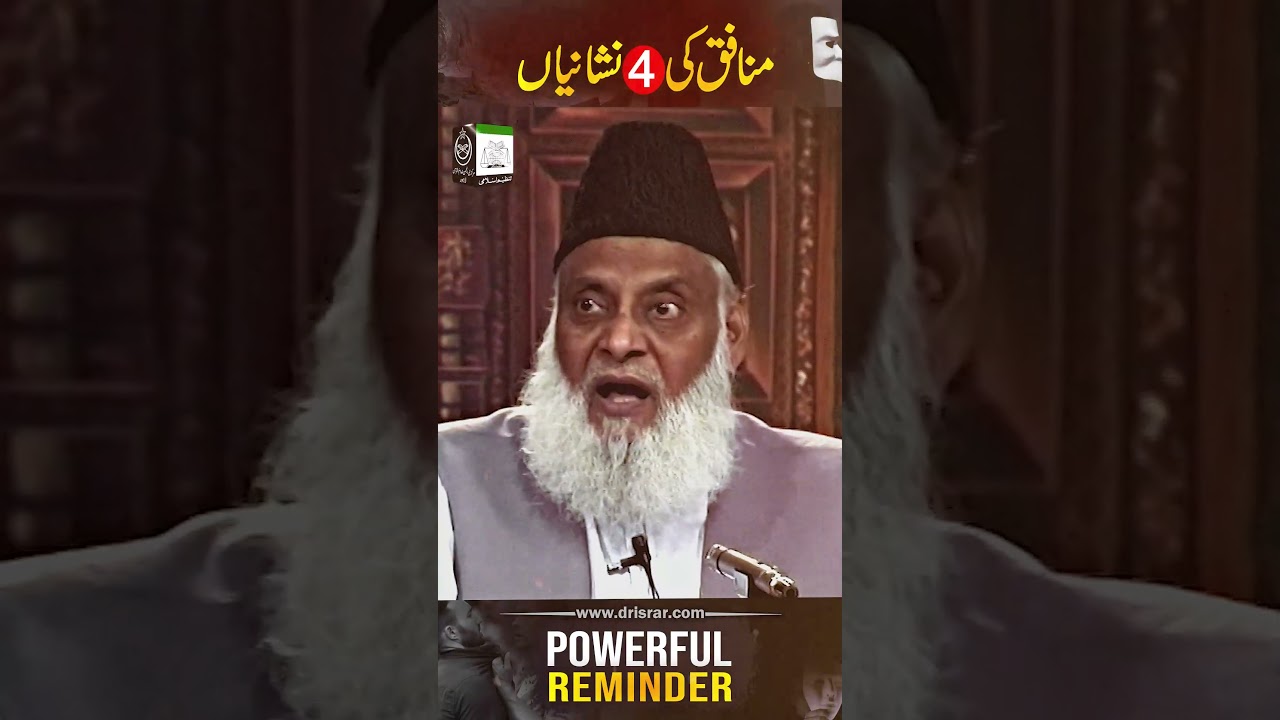
This lecture details the four characteristics that define a complete hypocrite, and the presence of even one of these traits indicates a degree of hypocrisy. These characteristics are: disloyalty when entrusted, lying when speaking, breaking promises, and losing control during disputes, escalating to abusive language and physical aggression. The speaker explains that true conflict resolution requires self-control and adherence to truthfulness, while the traits of a hypocrite lead to societal breakdown and discord. The lecture emphasizes that even a small amount of hypocrisy can be damaging and requires immediate self-correction.

66
This lecture emphasizes dedicating one’s God-given eloquence and knowledge solely to the explanation and propagation of the Quran. It cautions against utilizing these gifts for personal financial gain or worldly pursuits. The speaker highlights that the best among people are those who learn and teach the Quran, understanding and conveying its message to others. True benefit lies in seeking and sharing religious knowledge.
380
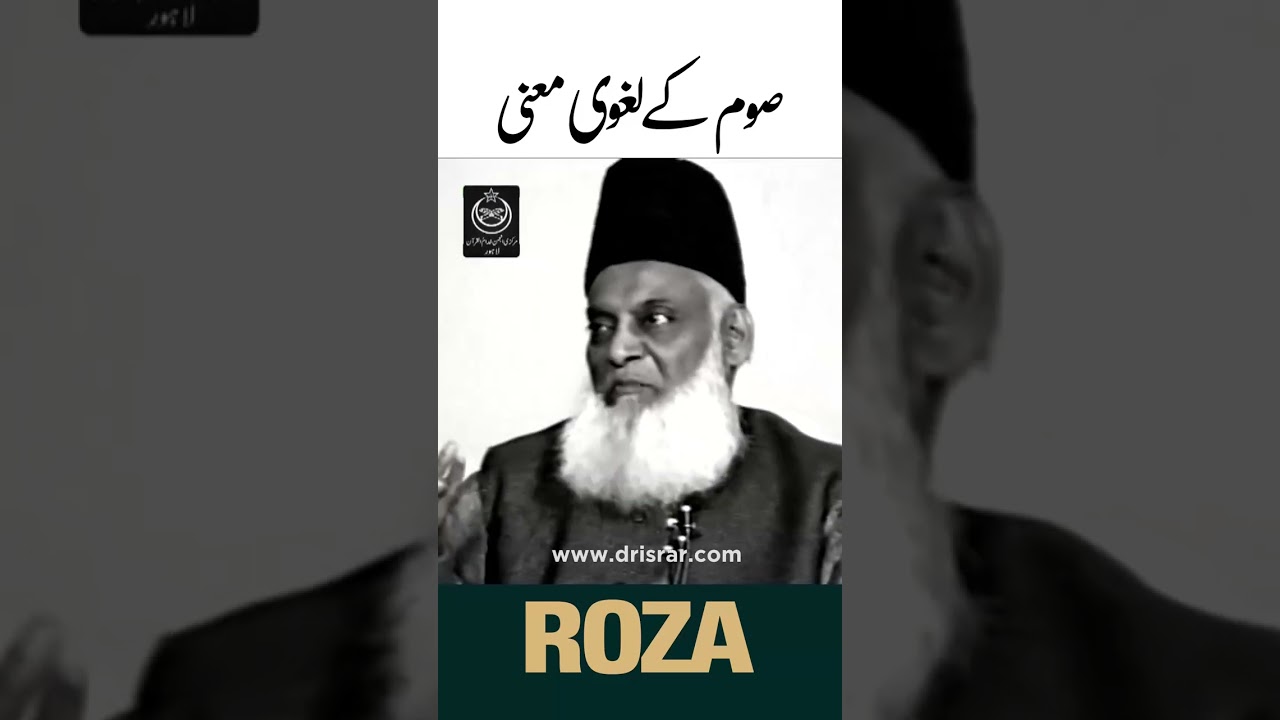
The word ‘Sawm’ (fasting) fundamentally means to abstain or stop. This encompasses ceasing from eating and drinking, halting speech, or even pausing physical activity. The Quranic verse from Surah Maryam references a vow of abstinence. Historically, ‘Sawm’ in pre-Islamic Arabian society denoted refraining from desires, including sexual activity. It also described a horse standing perfectly still. The term was adopted by the Quran to define the act of fasting as a form of worship, signifying a complete cessation of bodily needs and worldly distractions. It’s a comprehensive cessation, not merely from food and drink, but from all impulsive desires and worldly engagements.
78
This lecture discusses the presidential system of governance, drawing parallels between it and the Khilafat system. It highlights the president’s autonomy from the legislature, emphasizing the ability to appoint ministers based on competence rather than congressional membership. The speaker argues that expertise in foreign policy and finance are crucial qualifications, and that even if unelected, a qualified individual's skills should be utilized for the nation's benefit. The discussion positions the presidential system as closer to the Khilafat system compared to a parliamentary one.
53
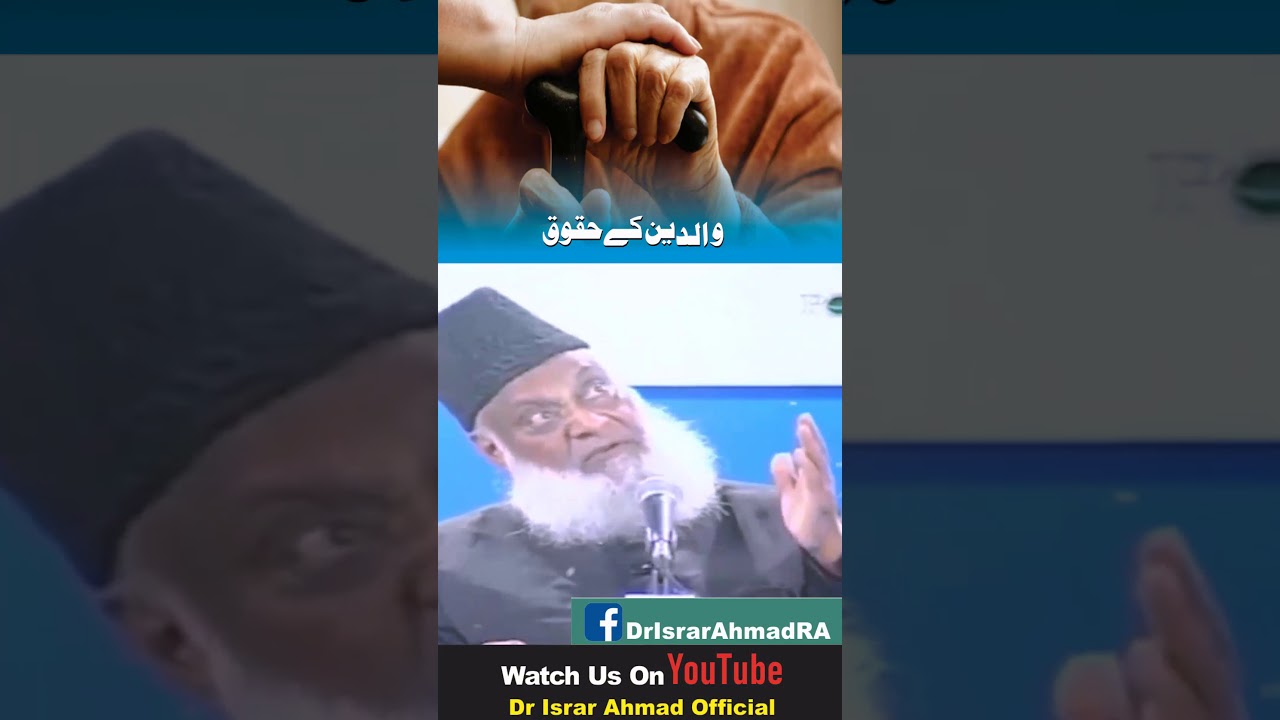
The greatest act of gratitude is towards one’s parents, a concept emphasized five times in the Quran. Simply *looking* at the Kaaba with reverence is considered an act of worship. Similarly, looking at one’s parents with love and respect is also an act of worship. This act of reverence, even without verbal interaction, holds significant spiritual reward. The Quran highlights the immense importance of honoring and showing affection to parents.
70
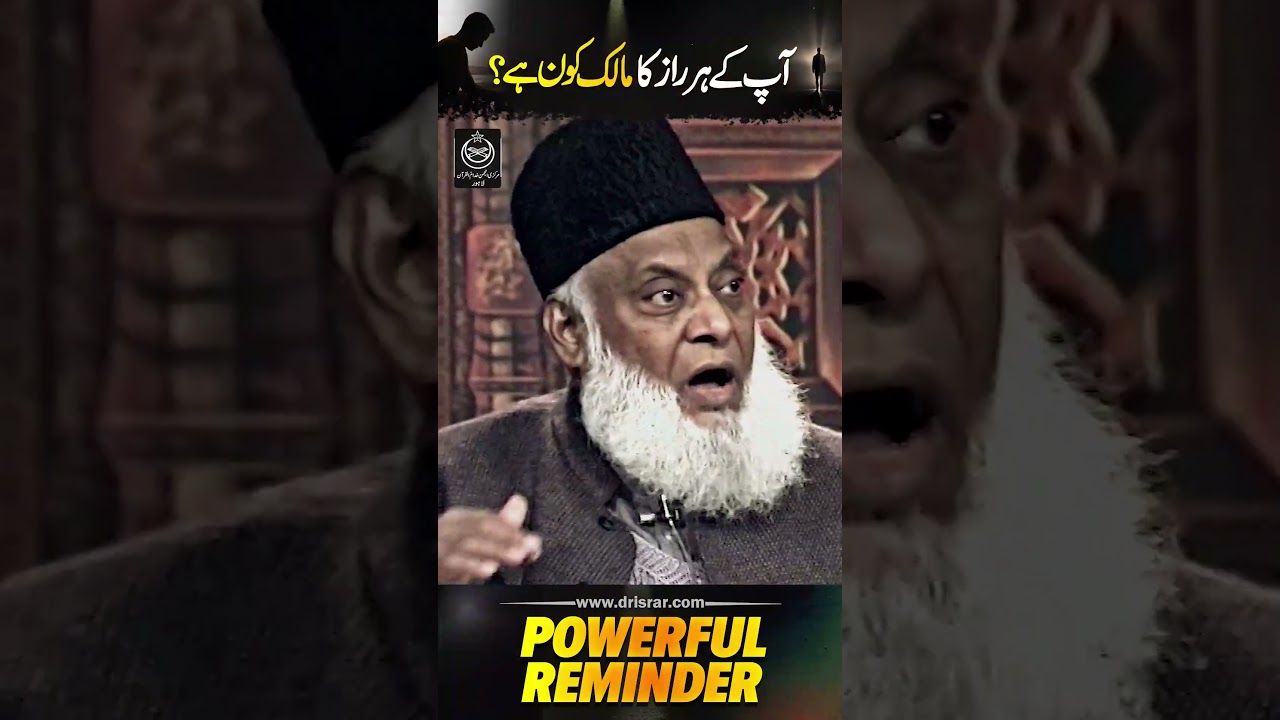
This lecture explores the three dimensions of Allah's knowledge as detailed in Surah Taghabun. The first is His knowledge of everything in the heavens and earth. The second is His awareness of both outward actions and hidden intentions. The third, and most profound, is His knowledge of the contents of the human heart, including subconscious thoughts and motivations. Humans often deceive themselves, believing their intentions are pure when they are not. Allah knows these hidden biases. This discussion connects these concepts to modern psychology, explaining the conscious, subconscious, and unconscious mind. It highlights that Allah is aware of the internal struggles, temptations, and the turmoil within the human psyche, even before the individual is consciously aware of them.
79
