Celana pendek

Magheera bin Shuba, a prominent companion, advised Muawiya R.A. to designate a successor. He pointed out that the previous conflicts had decimated a large portion of the Muslim community, and the original companions were diminishing. The new Muslims, those who converted after the conquests or following the revelation of Surah At-Tawbah, lacked the strong tribal affiliations that had previously maintained central authority. Magheera warned that without the backing of a powerful tribe, the system of the Caliphate would not remain unified. Muawiya initially hesitated but ultimately understood the necessity of appointing Yazid as his heir. It's important to note that disagreement with Muawiya's decision is permissible, but questioning his intentions is not, given his status as a companion of the Prophet.

73

Human beings are prone to error, being descendants of Adam. The core message emphasizes consistent repentance as a path to divine mercy. Despite repeated failings, sincere *tawba* (repentance) is perpetually accepted. The lecture highlights that breaking repentance does not disqualify one from returning to it. Allah’s mercy remains accessible as long as one continues to seek forgiveness. It stresses that the door of repentance is always open, even after multiple transgressions, and that consistent effort to return to Allah is vital.
56

This lecture clarifies the distinction between Allah’s personal name and His attributes. It explains that ‘Allah’ is the sole proper name, while all other names found in the Quran represent divine attributes. By removing the definite article and adding *tanween*, names transform into descriptive qualities. For example, ‘Al-Qadir’ is a name, but ‘Qadir’ or ‘Qadeer’ is an attribute. Similarly, ‘Al-‘Alim’ is a name, while ‘Alim’ or ‘‘Aleem’ is a quality. Essentially, names serve as indicators of a being, and Allah's personal name is unique.
57

This lecture explores the name Al-Adl (The Just) of Allah, as found in Surah Al-Imran. It explains that justice is a fundamental attribute of God, present within the ninety-nine names revealed through the teachings of the Prophet Muhammad, as narrated by Abu Huraira. The discussion clarifies that while many divine names are expressed through different grammatical forms, the core essence of justice remains absolute and foundational. The speaker addresses the limitations of human language when attempting to define divine attributes, acknowledging that terms like ‘embodied’ or ‘form’ are unsuitable for God but necessary due to vocabulary constraints.
52

Our core belief regarding the Quran is threefold. First, the Quran is the direct word of God. Second, it was revealed to Prophet Muhammad, peace be upon him. Third, it is perfectly preserved, complete and unaltered, with God Himself guaranteeing its protection. These three statements encapsulate our fundamental understanding of the Quran.
49
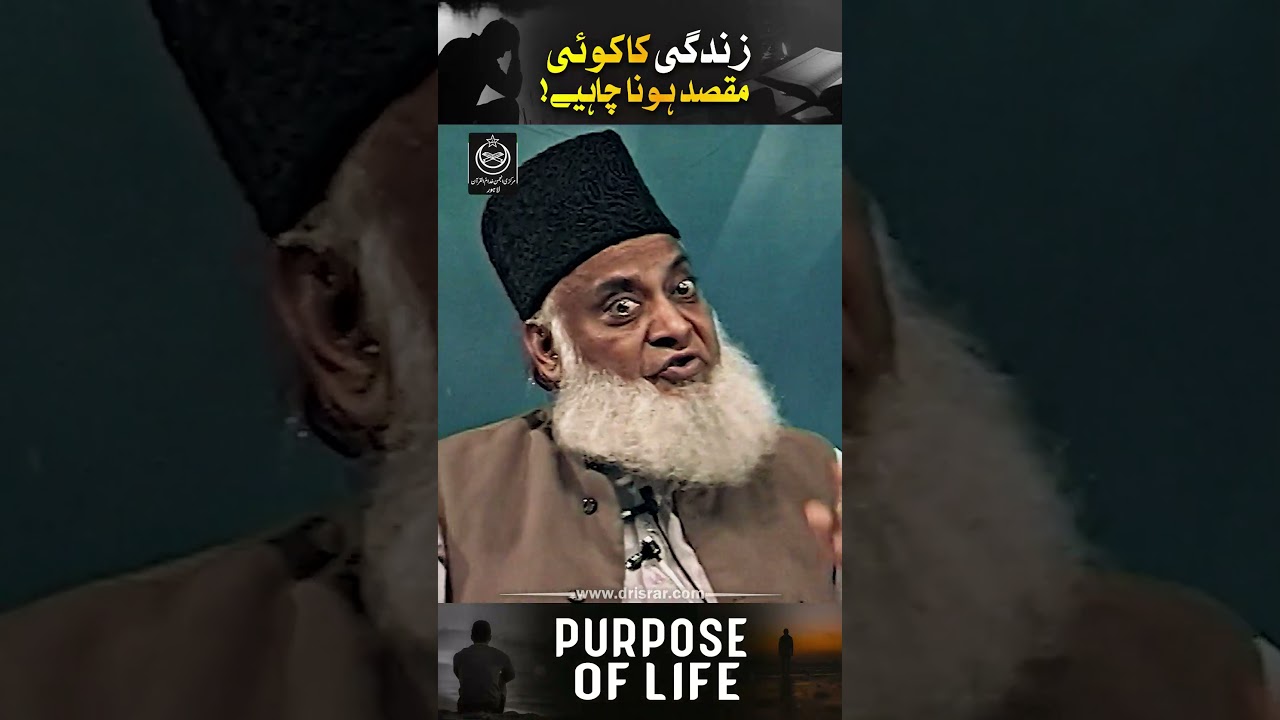
Human existence is defined by aspiration and purpose. Every individual has an ideal or a driving force. Those solely focused on basic needs – eating, procreating, and raising children – live on a purely instinctual level, akin to animals. True humanity lies in defining a higher purpose, particularly the love and devotion to God. This lecture emphasizes that the ultimate purpose of life is to seek and love God, making Him the sole objective and desire. Living and dying should be dedicated to this pursuit.
51
