Kratke hlače

Magheera bin Shuba, a prominent companion, advised Muawiya R.A. to designate a successor. He pointed out that the previous conflicts had decimated a large portion of the Muslim community, and the original companions were diminishing. The new Muslims, those who converted after the conquests or following the revelation of Surah At-Tawbah, lacked the strong tribal affiliations that had previously maintained central authority. Magheera warned that without the backing of a powerful tribe, the system of the Caliphate would not remain unified. Muawiya initially hesitated but ultimately understood the necessity of appointing Yazid as his heir. It's important to note that disagreement with Muawiya's decision is permissible, but questioning his intentions is not, given his status as a companion of the Prophet.

73

This lecture explains how the Quran served as the instrument of a profound revolution, fundamentally altering beliefs, values, and perspectives. Before, life was considered the greatest blessing; now, martyrdom is the highest aspiration. This transformation occurred not through worldly gains, but through adherence to the Quranic command to resist disbelief and engage in a great struggle, as stated in Surah Al-Furqan. The Quran reshaped the mindset of people, prioritizing spiritual strength over material possessions.
73
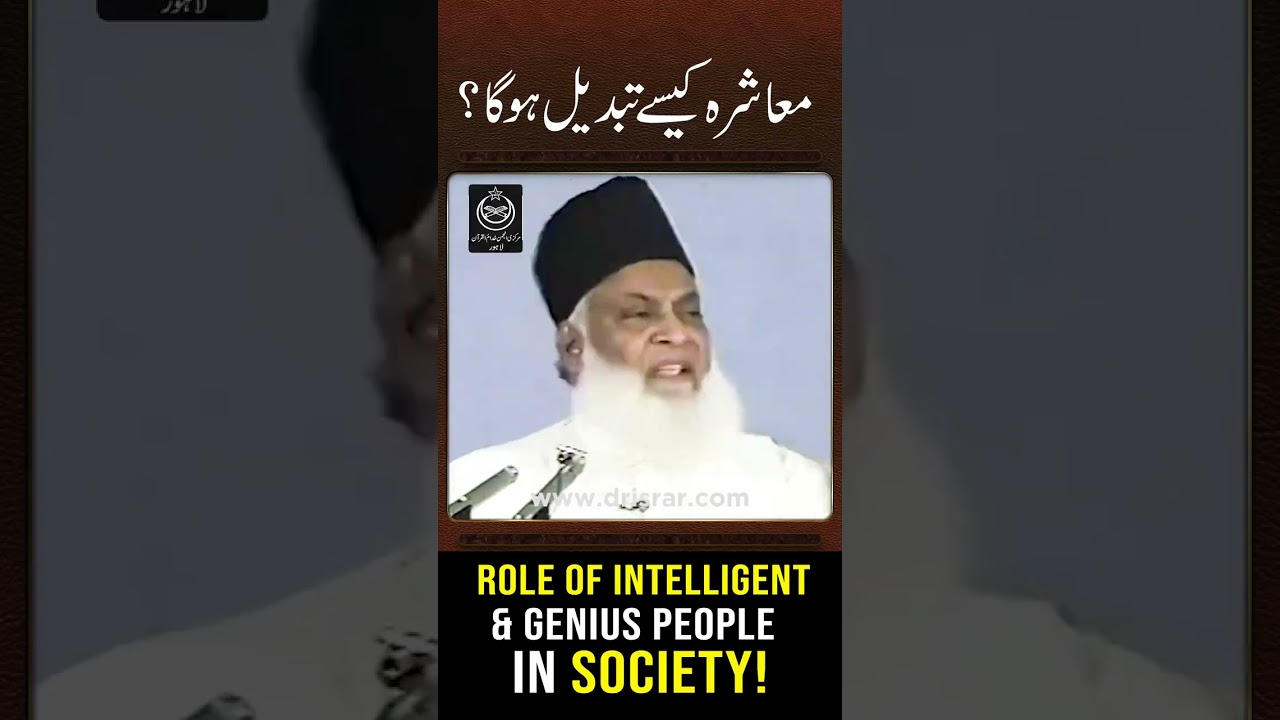
This lecture emphasizes that societal change is impossible without first changing individuals. The speaker argues that focusing on transforming individuals is more impactful than attempting to directly alter the collective. A core point is that a powerful intellectual class, or 'brain trust', must be engaged to facilitate this individual transformation. Without addressing the core beliefs and mindset of individuals, systemic change will remain elusive. The lecture prioritizes the empowerment of individuals as the primary driver of societal progress.
56

The lecture discusses the difference between reciting or listening to the Quran merely for information versus acting upon its teachings. The companions of the Prophet Muhammad (peace be upon him) immediately assessed their ability to fulfill the commands of each verse revealed. When the verse commanding adherence to *taqwa* (God-consciousness) was revealed, they questioned how anyone could fully fulfill God’s right to it. A subsequent verse clarified that individuals should strive to fulfill God’s commands to the best of their ability, recognizing the limitations of human capacity. The core message emphasizes sincere intention and striving within one's means.
58

Dr. Israr Ahmad explains that all trials and tribulations, whether on a large scale like natural disasters or personal misfortunes, are part of Allah’s preordained plan, recorded in His knowledge. He emphasizes that nothing happens by chance; everything occurs with Allah’s permission and is within His complete knowledge of past, present, and future. Acceptance of this truth, rather than grief or blame, is the key to peace and resilience. The speaker illustrates this with the story of a Sufi saint who accepted being struck by a stone as a decree from Allah. True understanding means recognizing Allah’s hand in all events and trusting in His wisdom, even when experiencing hardship.
90

This lecture explores the profound inability of humanity to truly comprehend and appreciate the majesty of Allah. It asserts that genuine recognition of God is the foundation of all true connection and devotion. Those who fail to grasp this divine essence will inevitably seek solace in lesser things, becoming attached to worldly illusions and neglecting the ultimate source of beauty and truth. The discussion highlights the consequences of spiritual blindness, where individuals remain unaware of the manifestations of God’s glory, grandeur, and perfection, and instead wander aimlessly through life, chasing ephemeral pleasures and superficial connections. True love and devotion arise from a deep understanding of God's attributes.
53
