Shorts
The Quran states that true believers possess an intense love for God. This love surpasses all other affections, even those for family. The Prophet Muhammad (peace be upon him) emphasized that complete faith is unattainable unless he is more beloved to a person than their father, son, or all of humanity. This love is not merely an emotion but is manifested through obedience. However, obedience becomes true worship only when performed with a sincere and passionate devotion to God, driven by the spirit of divine love. It is the inner feeling of love that transforms acts of worship into a meaningful connection with the Divine.

84
Dr. Israr Ahmad comprehensively explains the profound concept of *tazkiya* (self-purification) as outlined in the Quran. He breaks down the process into four essential stages: purification of thought (*tathir-e-fikr*), purification of the *nafs* (lower self), purification of the heart (*tasfiya-e-qalb*), and illumination of the soul (*tajalliy-e-ruh*). He emphasizes that true progress requires removing obstacles to spiritual growth, addressing both internal and external influences. The lecture highlights the Quran as the primary tool for *tazkiya*, detailing how it affects the intellect, the heart, and the soul. Dr. Ahmad draws parallels between the Quran's wisdom and the purification process, explaining how its verses resonate with the human spirit. He concludes by referencing the teachings of Iqbal and Hadith, further illustrating the importance of confronting and reforming the inner self, and how the Quran can transform an individual’s life.
175
This lecture emphasizes accountability for the faculties of sight, hearing, and intellect. Individuals will be questioned about how they utilized these gifts. It highlights the importance of observing the universe, acquiring knowledge, and employing reason. Neglecting these capabilities will be subject to divine questioning. The message underscores the responsibility humans bear in utilizing their inherent cognitive and sensory abilities for understanding and reflection.
36
Some scholars believe eleven rakats are permissible for the Isha prayer, while others consider three. This lecture explores the varying opinions on this matter, noting that differences in practice among various schools of thought are acceptable. The speaker affirms their adherence to the practice of offering three rakats.
65
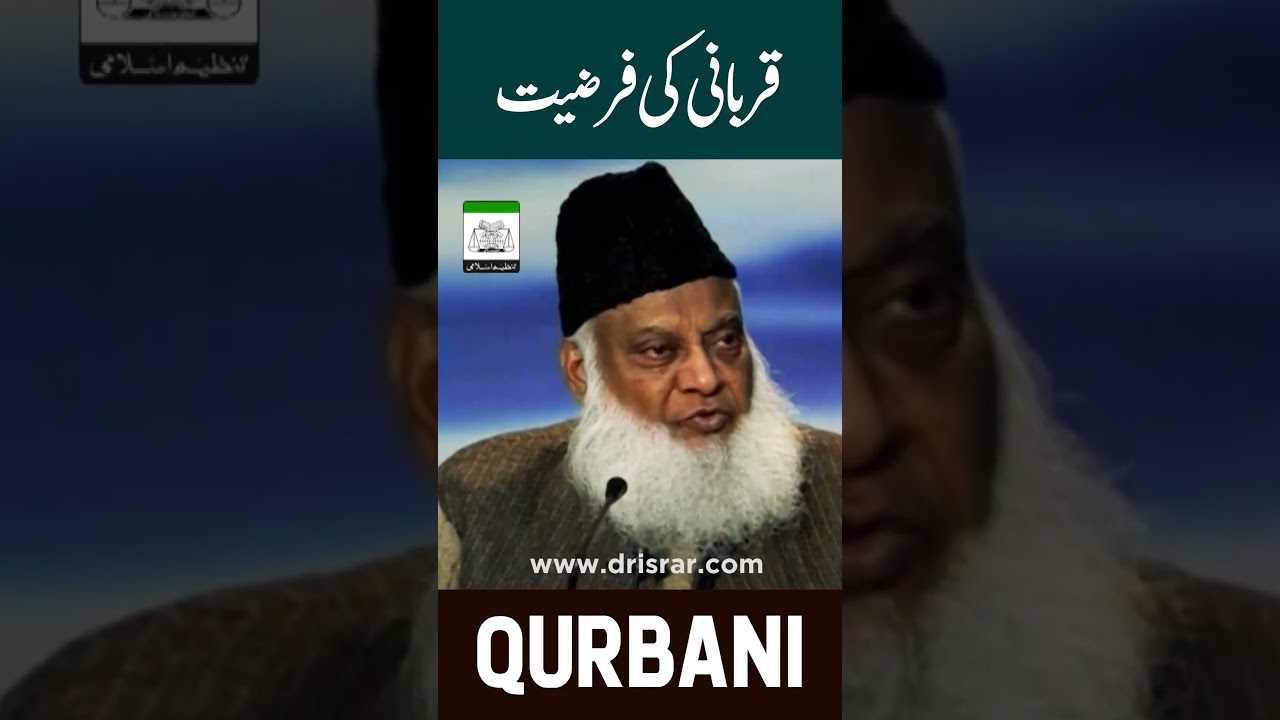
This lecture discusses the significance of sacrifice, specifically the practice of offering animals during Eid al-Adha. It explains that sacrifice is a universal practice ordained by God for every community throughout history. The discussion highlights the historical context of animal sacrifice, particularly the use of camels in Arab culture, and connects this practice to a deeper spiritual relationship with God. The act of sacrifice, whether a camel, goat, or other animal, serves as a symbolic offering and a demonstration of devotion, ultimately bringing blessings and goodness to the believer.
62
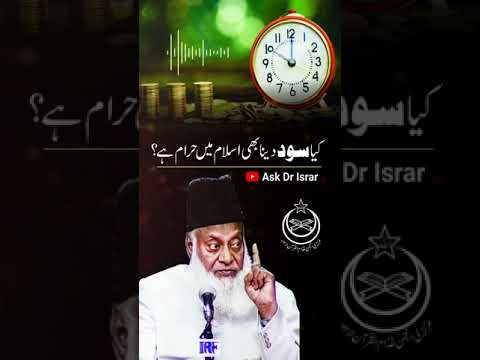
Interest (riba) and illicit relationships are major sins in Islam, both considered haram (forbidden). This lecture details the severity of riba, framing it as a declaration of war by God. The speaker emphasizes that even the smallest involvement in riba is comparable to a grave sin. The discussion highlights the comprehensive nature of Islamic law, which demands adherence to the Quran and the teachings of the Prophet Muhammad.
76
