شلوار کوتاه
Islamic teachings emphasize prioritizing the rights of parents after those owed to God. The rights of mothers are three times greater than those of fathers due to the immense physical and emotional burden they bear during pregnancy, childbirth, and raising children. While fathers provide financially and are essential, mothers endure unique hardships that necessitate a higher degree of respect and care. This lecture details the importance of recognizing and fulfilling these parental rights in Islam.

81
During standing in prayer (namaz), it is permissible to look at the mosque wall or generally around. The gaze should remain focused on the spot where one prostrates. Raising the head and looking around or upwards at the sky is strongly discouraged. Maintaining focus on the prayer spot is essential for proper concentration and devotion.
90
Despite prevailing hardship and the absence of good news, divine light will ultimately prevail, as Allah will fulfill His purpose regardless of opposition. Allah sent His Messenger with a decisive message: the complete guidance of the Quran. This guidance establishes a just system – a true faith and a complete way of life – intended to triumph over all opposition. The purpose of this message is to establish a just and equitable social order, ensuring the ultimate victory of truth and righteousness.
88
This lecture clarifies the nature of faith (Iman) in Islam. It distinguishes between the declaration of faith – the verbal profession of ‘La ilaha illallah Muhammadur Rasulullah’ – and the inner conviction of the heart (yaqeen-e-qalbi). The speaker explains that simply being born into a Muslim family or joining a community adopting Islam does not automatically equate to true faith. True faith necessitates a deep, internal certainty. The initial declaration establishes a legal status of being a Muslim, but genuine belief requires a conviction within the heart. This discussion emphasizes the difference between outward profession and inward acceptance.
62
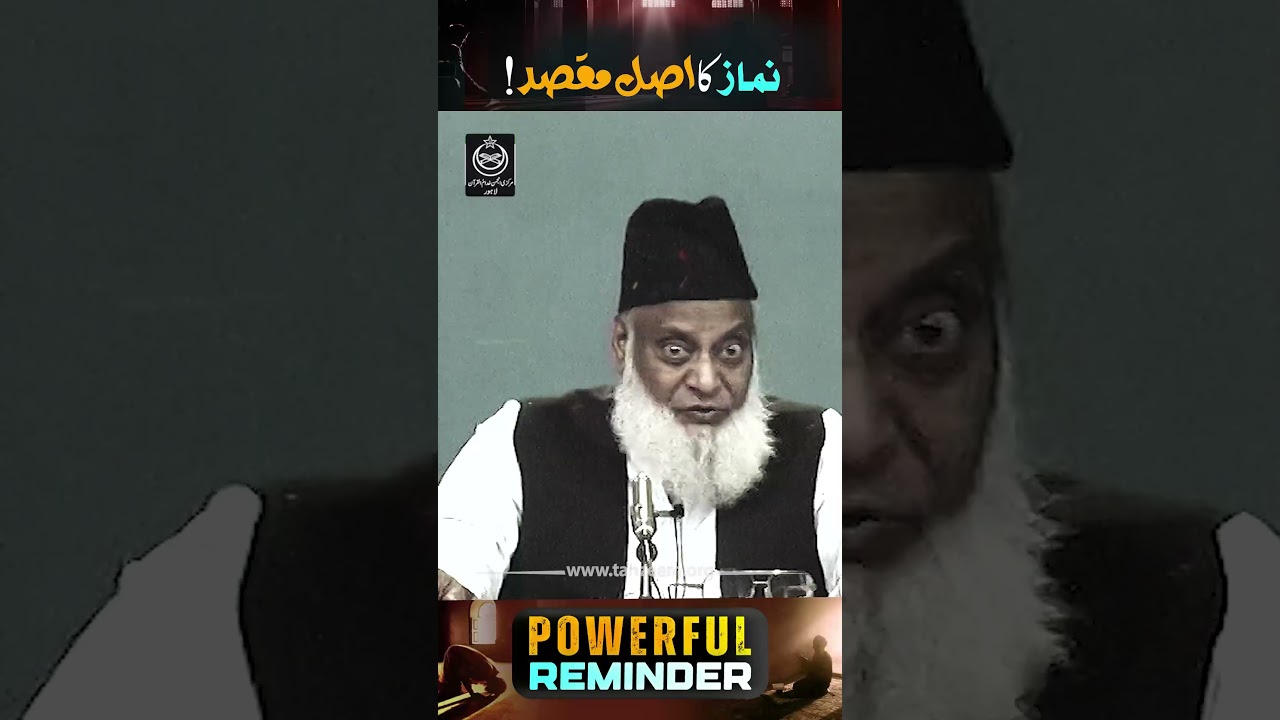
True prayer requires a conscious awareness of standing before God. The speaker explains that a spiritually dormant soul hinders genuine connection during prayer. A soul that is suppressed, crushed, or dead cannot facilitate a meaningful dialogue with the Divine. Even if one observes all the rituals of prayer – the five daily prayers, adopting a pious appearance – these acts are ineffective without a revived, communicative spirit. The speaker emphasizes that a connection with the Divine is established through the awakening of the soul and a direct, heartfelt conversation with God.
54
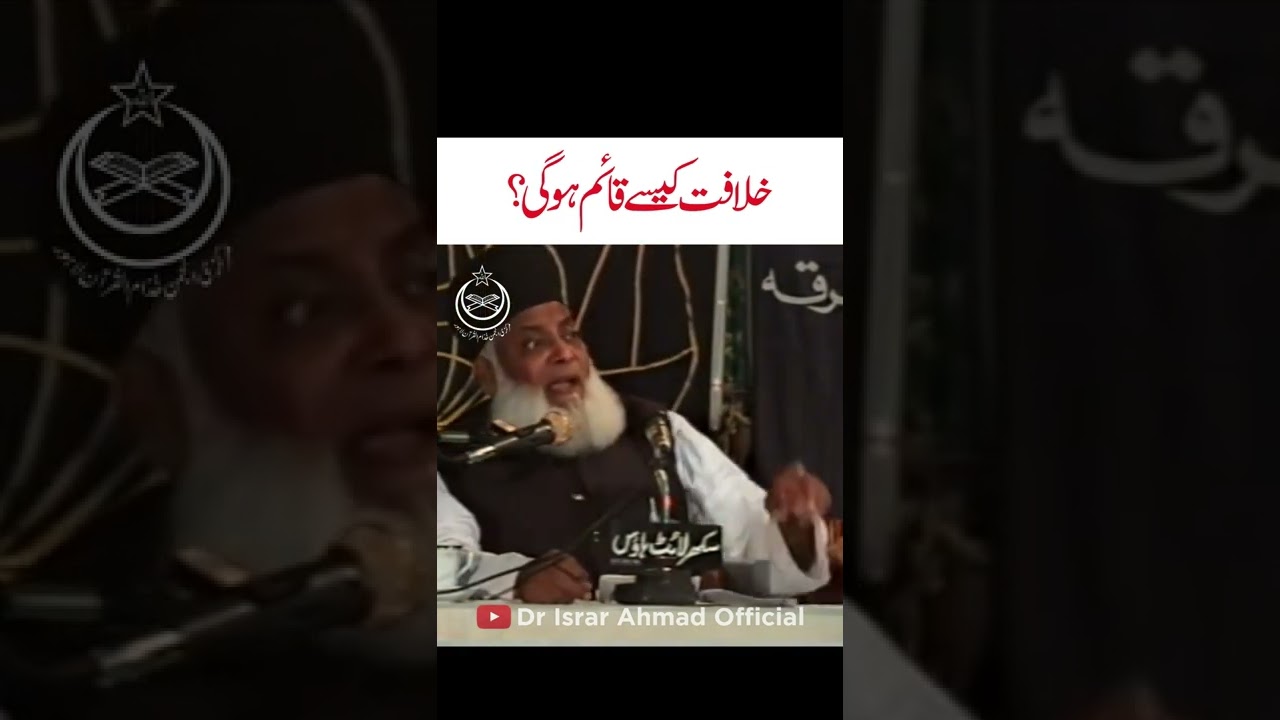
Dr. Israr Ahmad discusses the future establishment of a global caliphate rooted in the prophetic tradition. He references prophecies indicating a time when the message of Islam will permeate every corner of the earth, reaching all of humanity. He describes a vision where no home or dwelling will remain untouched by the teachings of Islam, and that his community will govern the entirety of the earth, having witnessed its eastern and western reaches in a divine revelation.
93
