Kratke hlače
Islamic teachings emphasize prioritizing the rights of parents after those owed to God. The rights of mothers are three times greater than those of fathers due to the immense physical and emotional burden they bear during pregnancy, childbirth, and raising children. While fathers provide financially and are essential, mothers endure unique hardships that necessitate a higher degree of respect and care. This lecture details the importance of recognizing and fulfilling these parental rights in Islam.

81
The concept of *ubudiyat* (devotion) encompasses two essential elements: the utmost love and complete submission. True devotion is achieved when both reach their peak, uniting in a profound connection with the Divine. This lecture emphasizes that devotion is fundamentally rooted in intense love for God, coupled with total surrender and humility before Him. These two aspects are inextricably linked; one cannot exist without the other. The complete yielding of self, and an absolute devotion, are the hallmarks of genuine worship.
61
Musab bin Umar, a young man raised in luxury, faced ostracism when he refused to renounce his faith after his father’s death. His mother, unable to defy her brother, the head of the family, was forced to comply with the uncle’s decree that Musab forfeit his inheritance and leave the house. The uncle, angered by Musab's adherence to his father’s religion, demanded he relinquish all property acquired through his father's wealth. Musab accepted the exile, even removing the clothes he wore, which were purchased with that wealth, before leaving his home. This demonstrates a powerful commitment to belief and principle.
64
This lecture clarifies the true meaning of ‘Uswa-e-Hasana’ (the excellent example) as revealed in the Quran, specifically during the Battle of the Trenches. It moves beyond superficial interpretations like simply growing one's beard or raising trousers above the ankles. The core of the prophetic example lies in actively confronting falsehood, even at the cost of life and possessions. True adherence to the Prophet's way is demonstrated through unwavering struggle against evil, not merely through ritualistic observance of religious practices while remaining complacent in the face of injustice. It challenges the notion of a comfortable faith and emphasizes the proactive struggle against falsehood as the essence of the prophetic example.
107
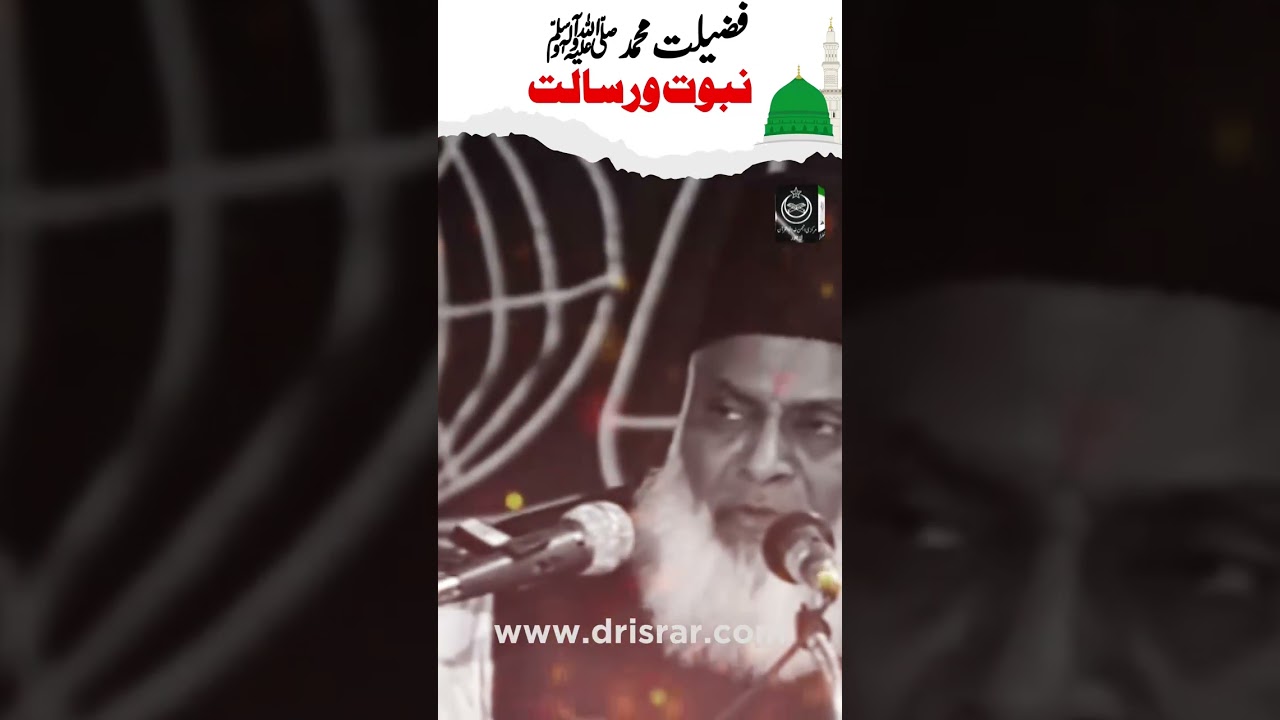
Prophethood and Messengership progressed gradually, reaching their peak and culminating in completion. This fulfillment of the mission and perfection of prophecy forms the foundation of Muhammad’s excellence. The greatest manifestation of the completion of Messengership is that no other messenger achieved the dominance of God’s religion through their call, propagation, organization, struggle, and striving—except Muhammad, the Messenger of God. Every prophet was a caller, a proclaimer, a teacher, and a guide. However, Muhammad, the Messenger of God, was not merely a caller, a proclaimer, a witness, a bearer of glad tidings, an exemplar, or a caller to God, but the one who actually established God’s religion.
53
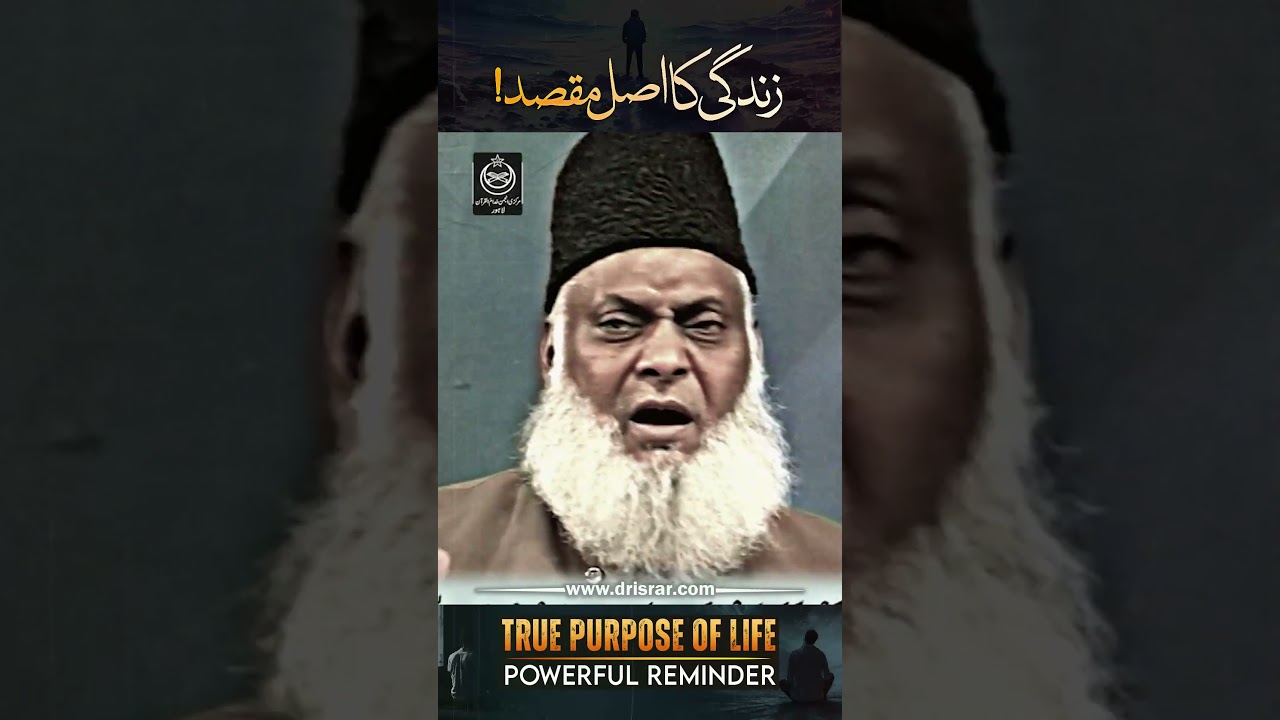
This reflection contemplates the human condition, questioning the meaning of existence beyond mere biological survival. It explores the stages of life – childhood, adolescence, youth, and old age – and asserts that true life transcends this temporary physical realm. The speaker posits that our earthly existence is a brief, evaluative period—a test—within a larger, eternal reality. This life is not the entirety of being, but a small segment, a temporary pause before returning to a perpetual, youthful existence. The core message is that the purpose of life lies beyond this transient world, within a spiritual and enduring context.
65
