מִכְנָסַיִים קְצָרִים
Islamic teachings emphasize prioritizing the rights of parents after those owed to God. The rights of mothers are three times greater than those of fathers due to the immense physical and emotional burden they bear during pregnancy, childbirth, and raising children. While fathers provide financially and are essential, mothers endure unique hardships that necessitate a higher degree of respect and care. This lecture details the importance of recognizing and fulfilling these parental rights in Islam.

81
This lecture emphasizes the importance of fulfilling one’s obligations to relatives, particularly widows and orphaned children. It stresses prioritizing the rights of those most deserving, especially when dealing with family disputes and potential grievances. The speaker advocates for giving with sincerity, solely for the pleasure of God, and acting justly towards all, even those who may be antagonistic. Prioritizing divine acceptance over personal vengeance is central to the message. It calls for fulfilling obligations and addressing the needs of those deprived of support.
51
This lecture dissects the phenomenon of self-deception and the inescapable truth of one's own character. It asserts that while individuals may silence external opposition, they cannot escape the internal reckoning of their conscience. The lecture emphasizes that the self-reproaching soul (nafs-e-lawwama) possesses an inherent awareness of an individual's true nature and limitations. Despite rationalizations, excuses, or justifications, the conscience persistently reveals one's authentic self, stripping away facades and exposing underlying realities. This internal assessment remains constant regardless of external presentations.
48
This lecture addresses the question of whether sincere repentance absolves a murderer of all consequences, both in this life and the afterlife. It clarifies that while Allah is merciful and can forgive, the rights of the victim ('diya') must be addressed. Repentance does not negate worldly justice; the perpetrator still faces legal consequences. True repentance stems from the depths of the heart and leads to divine forgiveness. Allah will compensate the victims in the hereafter from His vast treasures. The lecture emphasizes that repentance is a process, not a mere declaration, and does not exempt one from accountability for their actions.
79
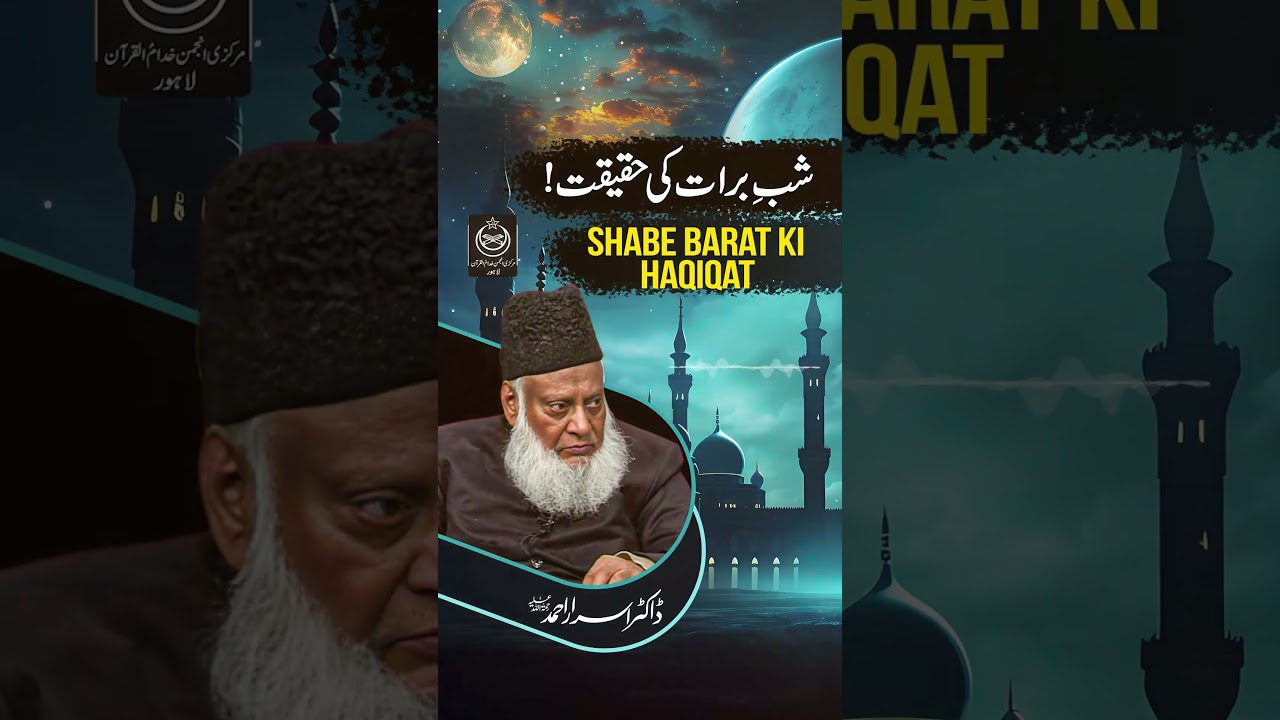
This lecture clarifies the significance of Shab-e-Barat based on authentic hadith. It explains that the Prophet Muhammad (peace be upon him) would visit the Baqi graveyard to seek forgiveness for the deceased. The speaker emphasizes that while night-long worship is virtuous, celebrating with fireworks and imitating Diwali practices are not part of Islamic tradition. Fasting on the 15th of Sha'ban is also discussed, linking it to the Prophet’s regular practice of fasting on the 13th, 14th, and 15th of each lunar month. The core message is to focus on sincere worship, seeking forgiveness, and remembering the deceased.
85
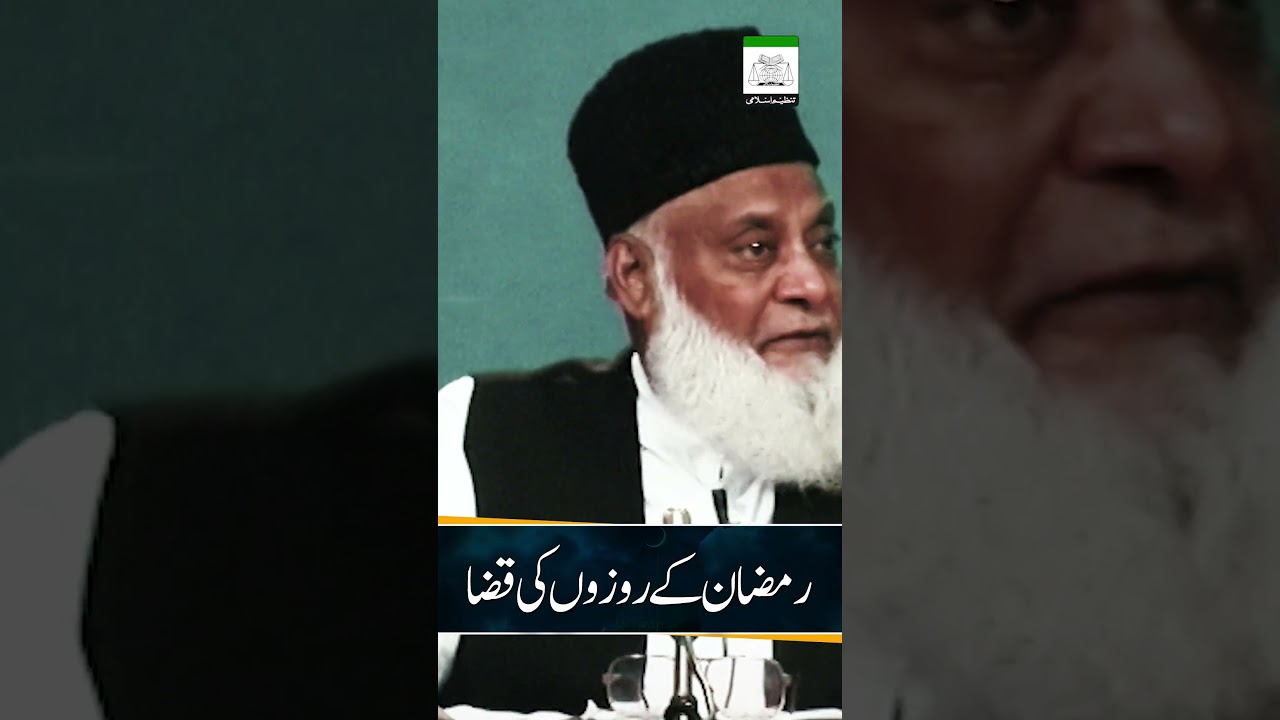
This lecture clarifies the rulings regarding making up missed fasts (qaza) and paying compensation (fidyah) during Ramadan. It explains that while the apparent command of fidyah seems rescinded, the Prophet Muhammad (peace be upon him) maintained it for specific cases: those whose health would be severely endangered by fasting, such as the elderly, chronically ill, or those with no hope of recovery. Healthy individuals capable of fasting are obligated to make up missed fasts. The lecture details who is exempt and when fidyah is permissible, emphasizing the importance of fulfilling religious obligations when physically able.
44
