Corti
Expanding one’s intellect through the study of science, philosophy, and logic is crucial for comprehending the wisdom within the Quran. True benefit lies not only in acquiring this knowledge but also in sharing it with others. The greatest wealth is the ability to disseminate this understanding, and the greatest service to humanity is to guide others toward divine direction. This pursuit of knowledge, and its subsequent sharing, is the highest form of generosity and selfless service.

60
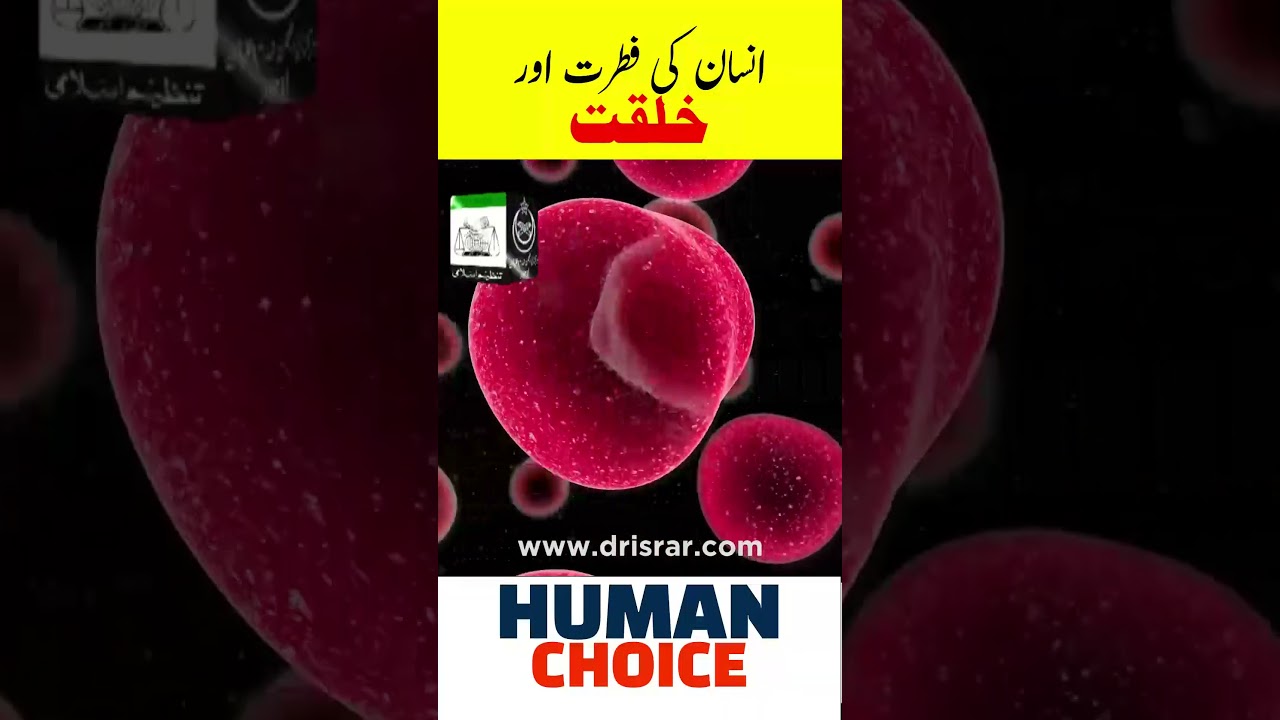
Human life begins with a unique creation, possessing inherent vitality from conception. Even before fertilization, both sperm and ovum exhibit life. All characteristics of life are present in the developing embryo. The embryo is a living organism, not an inanimate object. A crucial stage arrives approximately 120 days after conception. Prior to this, the creation is linked to four specific elements detailed in religious texts. The spirit, or soul, is infused into the embryo after this 120-day period, encompassing and permeating its very being.
65
Humanity represents a unique composite existence, embodying both animalistic and spiritual dimensions. This lecture elucidates the multifaceted nature of humankind, highlighting its inherent duality. The human being is a blend of earthly instincts and divine potential, a ‘concoction’ of both the physical and the ethereal. Understanding this complex interplay is crucial to grasping the deeper wisdom embedded within the Quranic verses. Without recognizing this fundamental truth, the profound and intricate layers of Quranic teachings remain inaccessible.
42
This lecture addresses a critical deviation within the Muslim community, identifying a shift towards Murjiya – a state of complacency where outward claims of faith overshadow genuine inner conviction. It clarifies the distinction between legalistic faith, reliant on outward actions, and true faith rooted in sincere belief and heartfelt certainty. The speaker emphasizes that authentic faith necessitates the inseparable integration of belief and practice, where deeds are not merely supplementary but integral components of a living, breathing faith. The lecture warns against prioritizing outward adherence to rituals over cultivating genuine fear of God and hope for His mercy, advocating for a balanced state between these two essential qualities.
54
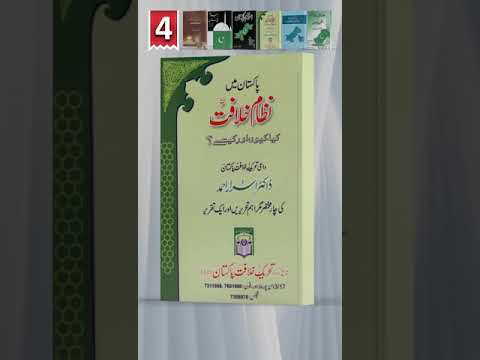
This collection of lectures by Dr. Israr Ahmad addresses critical questions about Pakistan’s history, ideology, and future. Topics include the legacy of the founder of Tanzeem-e-Islami, the viability of a caliphate system, the historical and political context of Islam in Pakistan, the factors contributing to Pakistan’s instability, and the reality of the Pakistan Ideology. The set also features Dr. Ahmad's analysis of Pakistan's political landscape from 1977 to 1987. Available for ₨1200 (originally ₨1900) from Maktaba Khuddam-ul-Quran, Lahore. Home delivery is free with cash on delivery. Order online at www.maktaba.com.pk or WhatsApp at 0301-1115348.
62
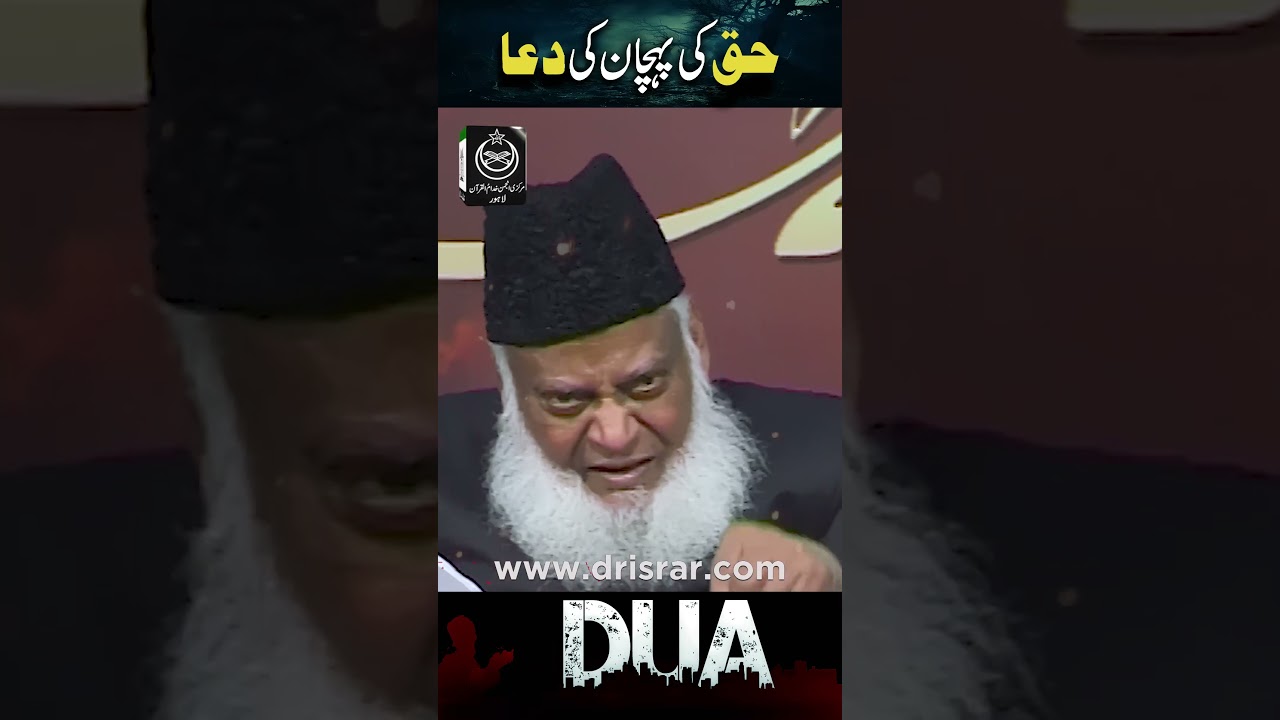
This lecture explores the difference between superficial observation and true understanding. It asserts that animals perceive the external world, but humans possess the capacity to grasp the underlying reality of things. The speaker emphasizes that genuine vision comes from the heart, not merely the eyes, and seeks a deeper comprehension of existence, as exemplified in the prophetic supplication to see things as they truly are. True insight requires moving beyond appearances to grasp the essence of reality. The lecture highlights the importance of inner vision and spiritual understanding.
54
